
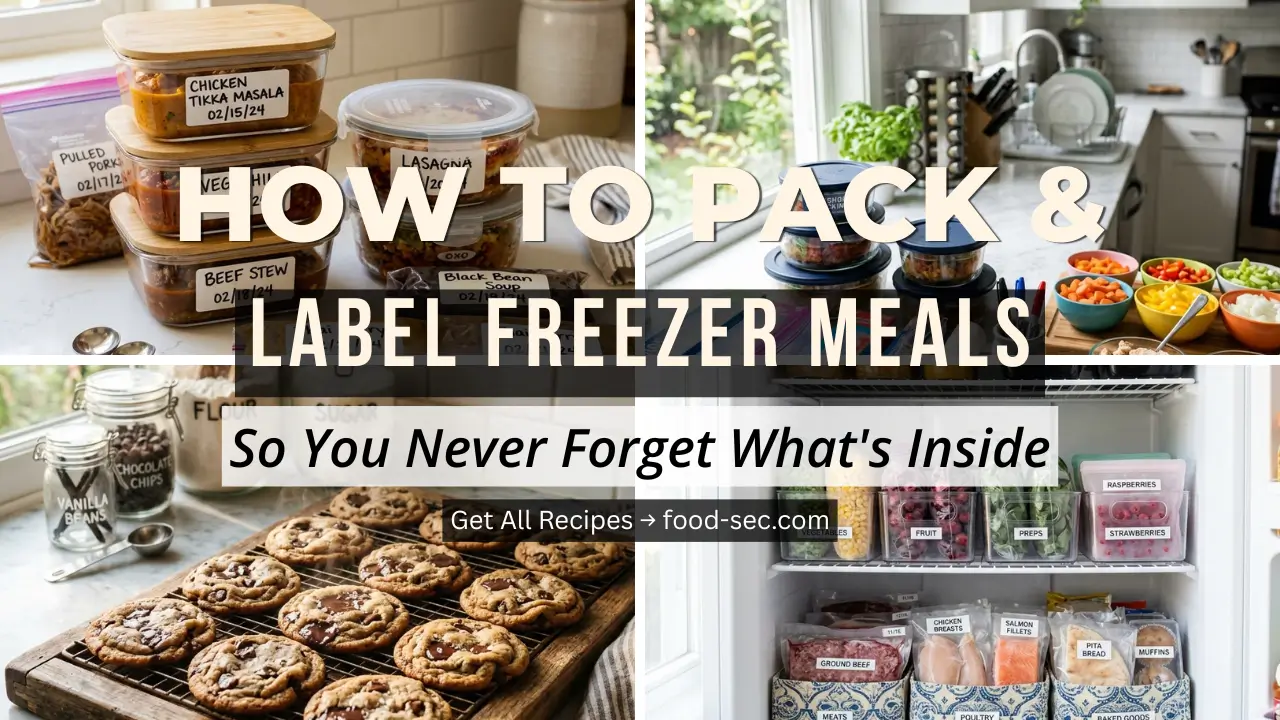
Food-sec.com – Have you ever stared at a mysterious frozen container, wondering if it’s last month’s chili or that chicken soup from who-knows-when? You’re not alone. The freezer mystery meat phenomenon affects countless home cooks, leading to wasted food and frustrating dinner decisions.
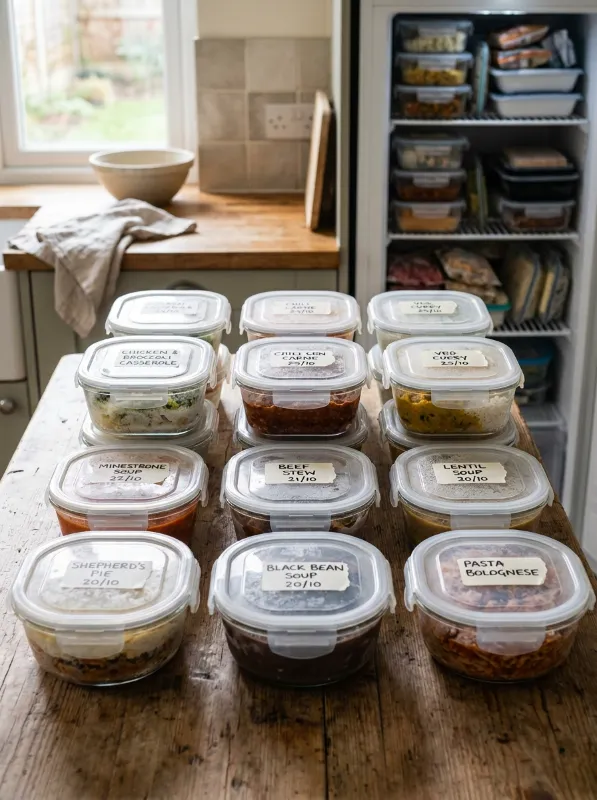
Learning how to pack and label freezer meals so you never forget what’s inside is a game-changer for anyone who wants to simplify their cooking routine. The truth is, proper freezer organization isn’t just about being tidy—it’s about saving money, reducing stress, and making weeknight dinners effortless. When you know exactly what’s in your freezer and when it was made, meal planning becomes a breeze.
In this guide, you’ll discover practical strategies for packing, labeling, and organizing your freezer meals like a pro. From choosing the right containers to creating a foolproof labeling system, these tips will transform your frozen food game.
Why Proper Packing and Labeling Freezer Meals Matters
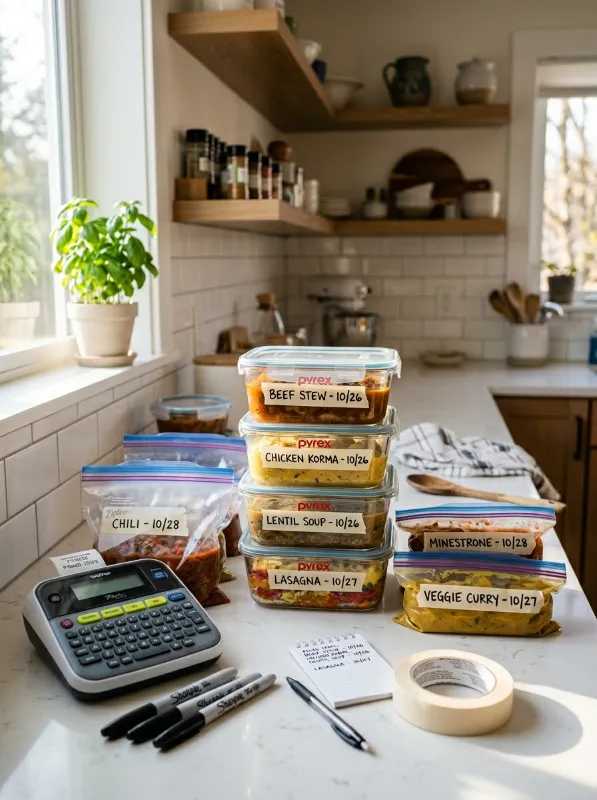
Let’s be honest—most of us have tossed perfectly good food because we couldn’t identify it or weren’t sure if it was still safe to eat. According to the USDA, the average American household wastes approximately 30-40% of their food supply, and unlabeled freezer items contribute significantly to this problem. When you take the time to pack and label your freezer meals correctly, you’re investing in your future self.
You’ll spend less time wondering what to cook, less money replacing forgotten meals, and less mental energy on daily food decisions. Plus, a well-organized freezer means you can actually see what you have, preventing those impulse grocery purchases for items already buried beneath the ice. For busy families who rely on easy dinner recipes, having a freezer full of clearly labeled meals is like having a personal chef on standby.
You simply grab, thaw, and cook—no guesswork required.
Essential Supplies for Packing Freezer Meals
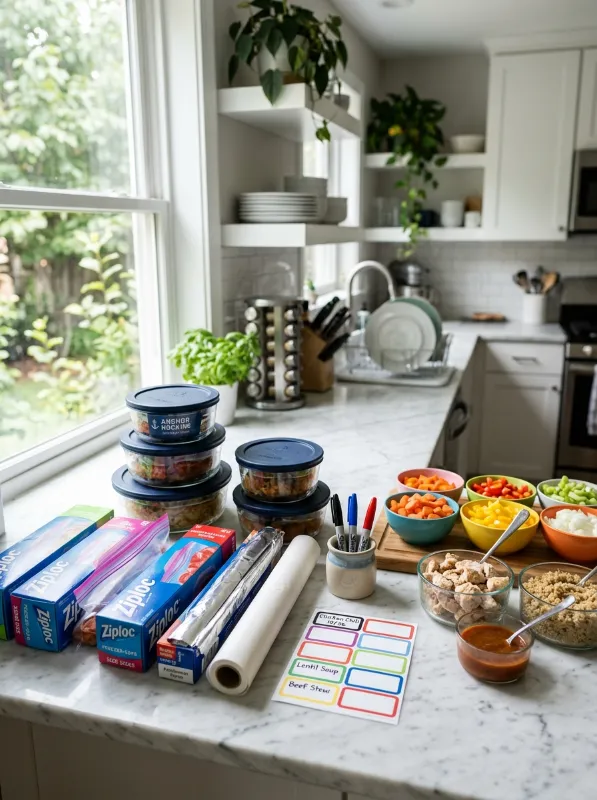
Before you start your freezer meal journey, gathering the right supplies makes everything easier. Here’s what you’ll need:
- Freezer-safe containers: Glass containers with airtight lids or BPA-free plastic containers designed for freezing
- Freezer bags: Heavy-duty zip-top bags that resist punctures and freezer burn
- Permanent markers: Fine-tip markers in multiple colors for easy categorization
- Freezer tape: Adheres better in cold temperatures than regular tape
- Labels: Pre-printed or blank labels that stick in freezing conditions
- Vacuum sealer: Optional but excellent for long-term storage
Investing in quality supplies upfront saves headaches later. Cheap containers crack in the freezer, and regular markers fade over time. Think of these supplies as tools for your meal prep arsenal—they’ll pay for themselves quickly.
How to Pack Freezer Meals for Maximum Freshness
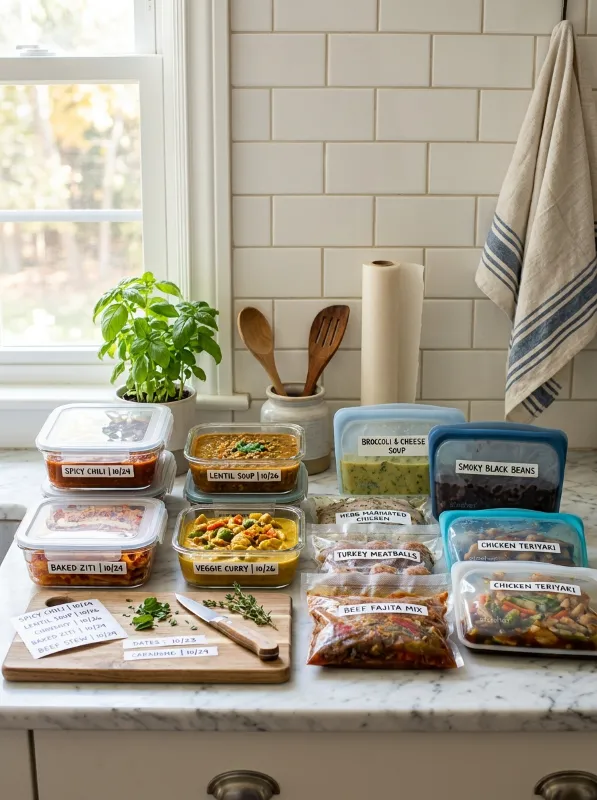
The way you pack your meals directly affects their quality and longevity. Poor packing leads to freezer burn, flavor loss, and texture changes that make even the tastiest dishes unappetizing.
Remove All Air
Air is the enemy of frozen food. When using freezer bags, press out as much air as possible before sealing. A simple trick: seal the bag almost completely, then submerge it in water up to the seal line.
The water pressure pushes out remaining air. For containers, choose sizes that match your portion—a half-empty container means half-air exposure.
Cool Foods Completely
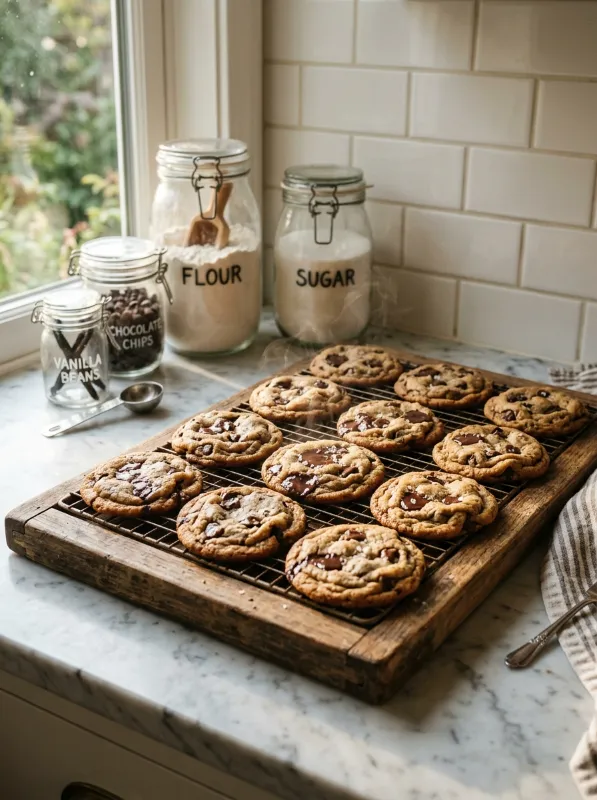
Never put hot food directly into the freezer. This raises the overall freezer temperature, potentially affecting other stored items. Let meals cool to room temperature (but don’t leave them out longer than two hours for food safety), then refrigerate briefly before freezing.
Freeze Flat When Possible
Soups, sauces, and casseroles freeze faster and stack more efficiently when frozen flat. Lay filled freezer bags horizontally until solid, then stand them upright like files in a cabinet. This method also speeds up thawing time significantly.
If you’re following a guide on how to meal prep dinner for the entire week, this technique will maximize your freezer space.
Creating a Foolproof Labeling System for Freezer Meals
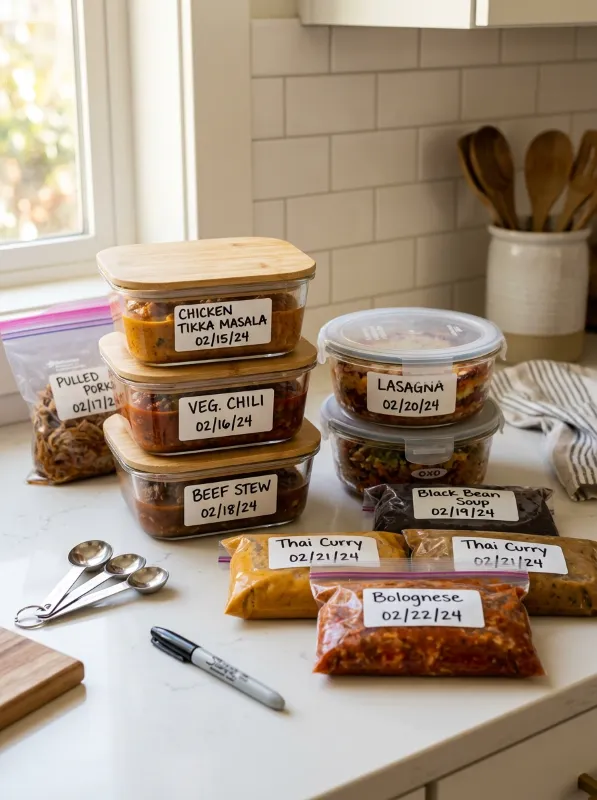
Here’s where the magic happens. A great labeling system is the difference between freezer chaos and freezer confidence. Your labels should answer three critical questions at a glance: What is it?
When was it made? How do I cook it?
Information Every Label Needs
| Label Element | Why It Matters | Example |
|---|---|---|
| Meal Name | Identifies contents instantly | Beef Chili |
| Date Frozen | Tracks freshness and rotation | Frozen: 01/15/2025 |
| Use-By Date | Ensures food safety | Use by: 04/15/2025 |
| Portions/Servings | Helps with meal planning | Serves 4 |
| Reheating Instructions | Eliminates guesswork | Thaw overnight, heat 350°F 30 min |
Color-Coding System
Take your organization to the next level with color-coded labels. Assign colors to different meal categories: red for beef dishes, blue for chicken, green for vegetarian, yellow for soups. At a glance, you’ll know exactly what protein or meal type you’re grabbing.
This system works especially well for households with multiple dietary preferences.
Best Practices for Labeling Different Container Types
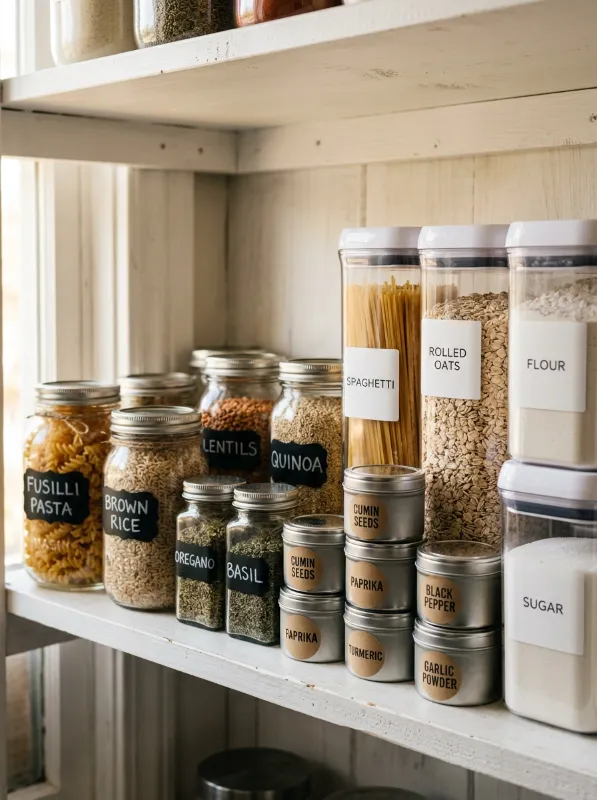
Different containers require different labeling approaches. What works for a freezer bag won’t necessarily work for a glass container. For freezer bags, write directly on the bag with permanent marker before filling.
It’s much easier to write on an empty, flat bag than a full, bulging one. Write in the upper corner so the label remains visible when bags are stacked. For glass containers, use removable freezer labels or masking tape.
Avoid writing directly on the glass—you’ll have to scrub it off later. Place labels on the lid and the side for visibility from multiple angles. For aluminum pans, cover with plastic wrap first, then foil, and write on the foil with marker.
Alternatively, tape a label card to the top. These are perfect for cozy dinner recipes for couples that you want to prepare ahead for special nights in.
Organizing Your Freezer for Easy Access
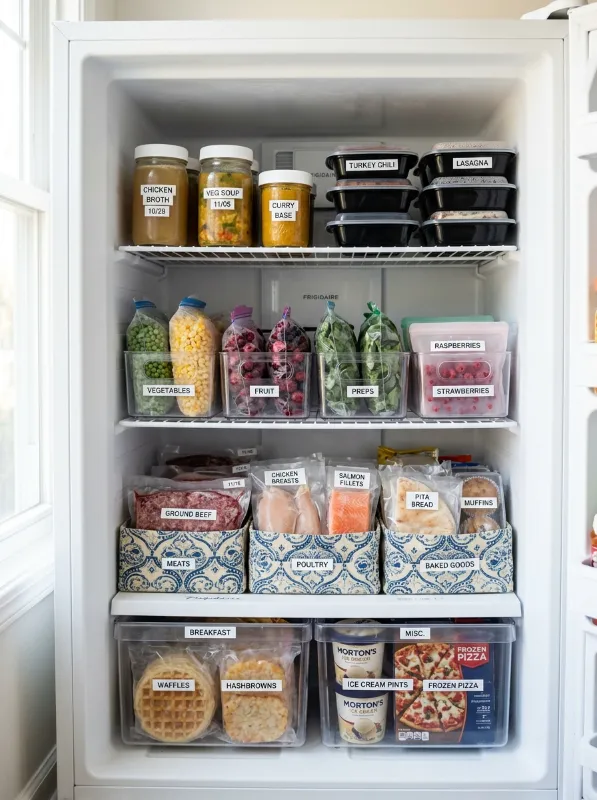
Even perfectly labeled meals get lost in a disorganized freezer. Strategic organization ensures you actually use what you’ve prepared.
Zone Your Freezer
Assign specific areas for different meal types. Keep breakfasts in one section, dinners in another, and snacks or desserts in a third. Use bins or baskets to create defined zones—this prevents the avalanche effect when you reach for something at the bottom.
Practice FIFO (First In, First Out)
When adding new meals, place them behind older ones. This rotation system ensures you use the oldest items first, reducing waste and maintaining quality. Some people keep a dry-erase board on the freezer door listing contents and dates for quick reference.
Create an Inventory
Maintain a simple list of what’s in your freezer, either on paper attached to the freezer door or in a notes app on your phone. Update it each time you add or remove items. This takes seconds but saves minutes of digging through frozen packages.
For college students managing simple dinner recipes on tight budgets, this inventory prevents duplicate purchases and wasted money.
How Long Do Freezer Meals Really Last?
Understanding freezer storage times helps you plan and rotate meals effectively. While frozen food remains safe indefinitely, quality does decline over time.
- Cooked meats and poultry: 2-6 months for best quality
- Soups and stews: 2-3 months
- Casseroles: 2-3 months
- Raw meat: 4-12 months depending on type
- Bread and baked goods: 2-3 months
- Cooked grains and pasta: 1-2 months
Your use-by date labels should reflect these guidelines. Being generous with storage estimates leads to that dreaded mystery meat situation we’re trying to avoid.
Common Mistakes When Packing and Labeling Freezer Meals
Learning from common errors saves you from repeating them. Here are mistakes that sabotage even the best intentions: Overfilling containers: Liquids expand when frozen. Leave at least one inch of headspace in containers and bags to prevent cracking or bursting.
Using regular tape or labels: Standard adhesives fail in freezing temperatures. Your carefully written label ends up floating at the bottom of the freezer, separated from its container. Skipping reheating instructions: Future you won’t remember if this needs to be thawed first or can go straight into the oven.
Write it down every time. Waiting too long to label: Label immediately after packing. Telling yourself you’ll remember or do it later is a recipe for unidentified freezer objects.
If you’re batch-cooking easy dinner recipes for busy moms, avoiding these mistakes ensures your hard work pays off at mealtime.
Frequently Asked Questions
What’s the best way to pack and label freezer meals for portion control?
Divide meals into individual or family-sized portions before freezing, and clearly label each container with the number of servings. Using consistent container sizes helps you quickly grab the right amount. Single-serving portions are perfect for lunches or when family members eat at different times.
How do I prevent labels from falling off in the freezer?
Use labels specifically designed for freezer use, or apply masking tape or freezer tape which adheres better in cold temperatures. Write on labels before applying them to cold surfaces, as condensation can prevent proper adhesion. Pressing firmly and allowing the label to set before freezing also helps.
Can I reuse freezer bags for packing and labeling freezer meals?
You can reuse freezer bags if they haven’t held raw meat and show no signs of damage or lingering odors. Wash thoroughly with hot soapy water and dry completely before reusing. However, for optimal food safety and seal integrity, using new bags for each batch is recommended.
What should I do if I forgot to label freezer meals?
Don’t panic—use visual and sensory clues to identify mystery items. Look at color, texture, and shape through the packaging. If safe to do so, partially thaw to smell the contents.
Once identified, immediately label the item and commit to labeling everything going forward.
How do I pack and label freezer meals for someone else to reheat?
Write extra-detailed instructions assuming the person knows nothing about the dish. Include defrosting time, cooking temperature, cook time, and any additions needed like cheese toppings or fresh herbs. Consider using larger labels or attaching instruction cards for complex meals.
Final Thoughts
Mastering how to pack and label freezer meals so you never forget what’s inside transforms your relationship with meal prep. No more guessing games, no more wasted food, and no more stressful dinner decisions. With the right supplies, consistent labeling habits, and smart organization, your freezer becomes a treasure trove of ready-made meals waiting to save your busy evenings.
Start simple—label your next freezer meal with all the essential information and see how much easier dinner planning becomes. As you build the habit, you’ll wonder how you ever managed without a system. Your future self will thank you every time you pull out a perfectly labeled, delicious meal ready to heat and enjoy.