
Food-sec.com – You’ve seen the gorgeous photos online — golden chicken, perfectly roasted veggies, everything cooked together in one beautiful pan. So you try it yourself. And somehow, you end up with a soggy mess, burnt edges, or dry protein that no amount of sauce can save.
Sound familiar? You’re not alone. One-pan dinners are supposed to be the easy weeknight solution — but there are a handful of sneaky mistakes that trip up beginners every single time. The good news? Every single one of these mistakes is totally fixable once you know what to look for.
In this guide, we’re breaking down the 10 most common one-pan dinner mistakes beginners make — and giving you the exact fixes so your next skillet or sheet-pan meal turns out as good as it looks in those photos.
What you’ll learn: Why your veggies keep going soggy, how to prevent dry chicken, the crowding problem nobody warns you about, and how to time everything for a perfectly cooked one-pan dinner every time.
Why One-Pan Dinners Go Wrong (And Why It’s Not Your Fault)
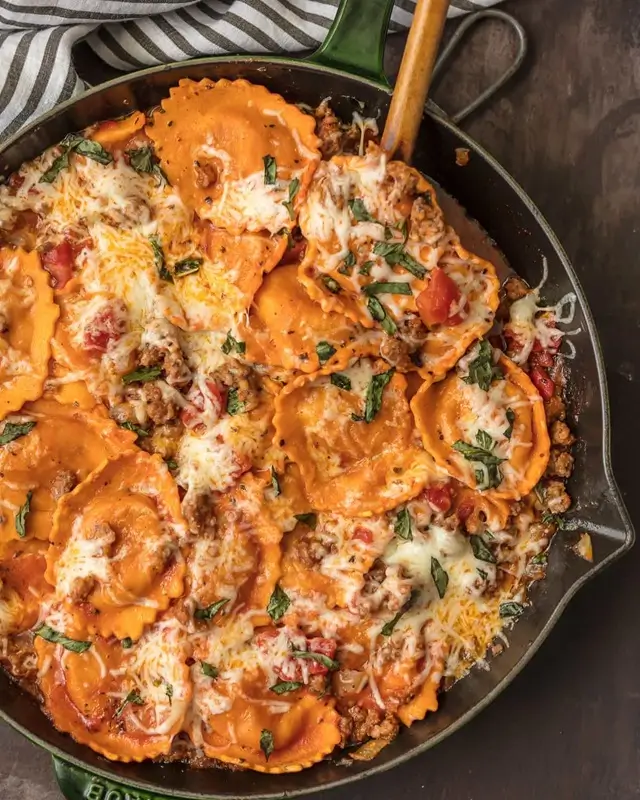
One-pan cooking looks deceptively simple — and that’s actually part of the problem. Because it seems so foolproof, most beginners skip the small details that make a huge difference. Things like pan size, ingredient cut size, or the order you add things to the pan. These tiny oversights compound into a dinner that’s underwhelming instead of impressive.
The truth is, one-pan dinners have a few non-negotiable rules. Learn them once, and every recipe you try after that will click into place. Let’s get into it.
The 10 Most Common One-Pan Dinner Mistakes Beginners Make
01. Overcrowding the Pan
This is probably the number one reason your one-pan dinners turn out steamed and soggy instead of roasted and caramelized. When you pile too many ingredients into one pan, they release moisture — and with no room for that steam to escape, everything ends up braising in its own liquid rather than getting that beautiful browning you’re after.
The Maillard reaction (that golden, crispy exterior) requires direct, dry heat contact. If food is touching, that reaction can’t happen properly.
The Fix Make sure every piece of food has a little breathing room. If things look crowded, use a larger pan or split into two pans. A single layer is non-negotiable for roasting.
02. Not Preheating the Pan or Oven
Dropping food into a cold pan — or a still-heating oven — means your ingredients spend extra time in that lukewarm zone where they steam and lose moisture instead of searing. For stovetop one-pan dinners, a cold pan means your protein won’t release cleanly and will stick or cook unevenly.
The Fix For oven recipes, always preheat fully (usually 400–425°F / 200–220°C) before the pan goes in. For stovetop, heat your skillet over medium-high for 1–2 minutes before adding oil, then add food only once the oil shimmers.
03. Cutting Vegetables and Protein to Different Sizes
Inconsistent cutting is one of those mistakes that seems minor until you bite into a raw carrot next to an overcooked piece of zucchini. Bigger pieces take longer to cook; smaller ones are done faster. If everything’s different sizes, you can’t cook them together without something being over or underdone.
The Fix Aim for uniform, similar-sized pieces — roughly 1 to 1.5 inches works well for most one-pan roast recipes. When in doubt, cut denser vegetables (like carrots or potatoes) smaller so they cook at the same rate as softer ones.
Quick Reference: Cooking Times for Common One-Pan Ingredients
Not all ingredients cook at the same speed. Here’s a general guide for oven roasting at 425°F:
- Root vegetables (potatoes, carrots, beets) — 30–40 min
- Chicken thighs/drumsticks — 35–45 min
- Chicken breast — 22–28 min
- Broccoli, zucchini, bell pepper — 15–20 min
- Cherry tomatoes, asparagus — 10–15 min
- Shrimp — 6–9 min
04. Using the Wrong Pan for the Job
Using a small, thin baking sheet for a big batch of roasted veggies? Or a non-stick skillet that can’t handle high oven heat? Pan choice matters more than most beginners realize. A thin pan creates hot spots and uneven cooking. A non-stick coating can degrade or warp at high temperatures.
The Fix For oven one-pan meals, use a heavy rimmed baking sheet (like an 18×13″ half-sheet pan) or a cast iron skillet. For stovetop, a wide stainless steel or cast iron pan gives you better searing than non-stick.
05. Adding All the Ingredients at the Same Time
Different ingredients have different cooking times — and tossing them all in together guarantees something comes out wrong. Dense root vegetables need a head start. Delicate greens or fresh herbs should go in at the very end. Cheese, obviously, melts in minutes.
This is one of the most common one-pan dinner mistakes beginners make, and it’s usually why half the tray ends up overcooked.
The Fix Stagger your ingredients. Add longer-cooking items first (potatoes, carrots, bone-in chicken), then add faster-cooking ones (broccoli, zucchini, shrimp) 10–20 minutes in. Check out 15 Colorful Mediterranean One-Pan Dinners for beautifully timed examples of this technique in action.
06. Skimping on Oil and Seasoning
Under-oiling your pan or food is a recipe for sticking, uneven browning, and bland results. Oil isn’t just for preventing stickiness — it conducts heat, promotes browning, and carries fat-soluble flavors deep into your food. Similarly, under-seasoning before cooking means you end up chasing flavor at the table with the salt shaker.
The Fix Toss your vegetables generously in oil until every surface is coated. Season early and season in layers — a pinch of salt on the vegetables before roasting, more seasoning in your sauce, a final taste adjustment before serving.
One-Pan Dinner Mistakes That Kill Your Protein
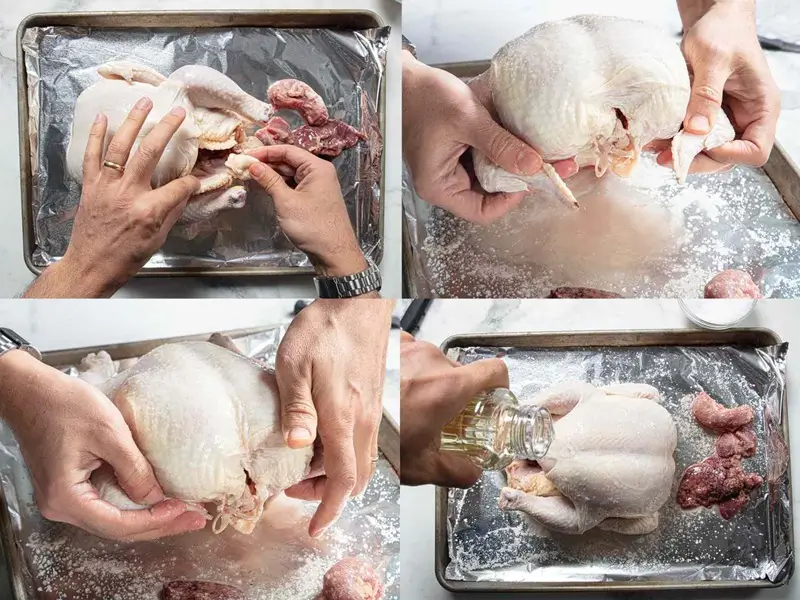
Protein — especially chicken — is where beginners struggle most in one-pan cooking. Get this right and everything else feels more forgiving.
07. Not Patting Protein Dry Before Cooking
Moisture on the surface of chicken, fish, or steak turns into steam the moment it hits a hot pan — and steam, as we’ve established, is the enemy of a good sear. Even a quick pat-dry with paper towels makes a noticeable difference in how well your protein browns.
The Fix Before seasoning your chicken or steak, pat it thoroughly dry with paper towels. This one 10-second step can mean the difference between a pale steamed finish and a golden sear. If you have time, leave uncovered in the fridge for 30–60 minutes for even better results.
08. Moving the Protein Too Early
This is especially common on the stovetop. You add the chicken to the pan, and 90 seconds later you try to flip it — and it tears. That’s not a sticking problem, that’s a timing problem. Protein naturally releases from a hot pan once it’s properly seared. If you have to fight it, it’s not ready.
The Fix Let it go. Once you add protein to a hot pan, leave it alone for 3–5 minutes. When it releases easily and has a golden crust, it’s ready to flip. Trust the pan, not your anxiety. Try this with the Parmesan Crusted Chicken with Creamy Garlic Sauce recipe — the sear is everything in that dish.
09. Ignoring Internal Temperature
Eyeballing doneness is risky, especially with chicken. Relying on color alone has led to more overcooked (or worse, undercooked) dinners than any other mistake on this list. A $10 instant-read thermometer takes all the guesswork out of this permanently.
The Fix Invest in an instant-read thermometer. Chicken is done at 165°F (74°C) internal temperature. Pork at 145°F. Steak varies by preference (130°F for medium-rare, 145°F for medium). Insert the probe into the thickest part, avoiding bone.
One More Big Mistake That Beginners Often Miss
10. Not Letting the Dish Rest Before Serving
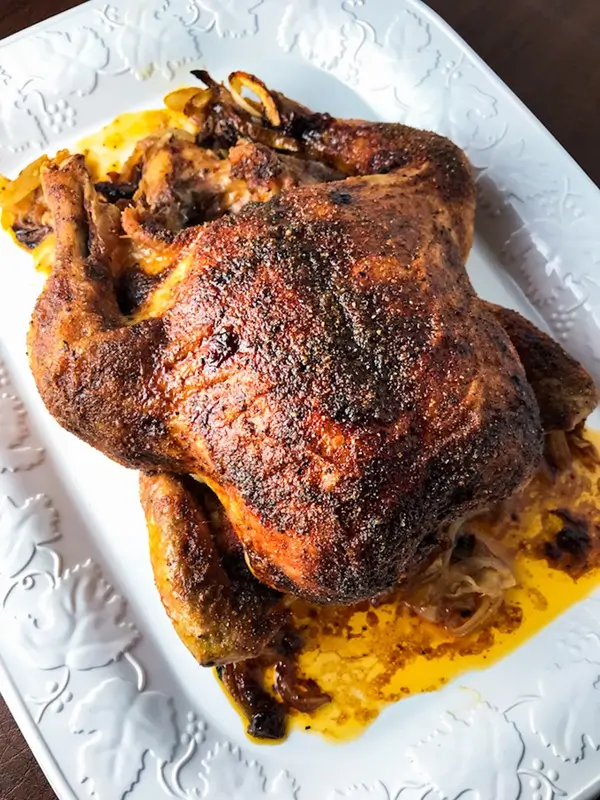
You’ve nailed the cook, everything looks perfect — and you immediately start cutting and plating. The juices run everywhere, and the chicken ends up drier than it should be. This is the final boss of one-pan dinner mistakes beginners make, and it costs nothing to fix.
Resting allows the muscle fibers to relax and reabsorb juices that migrated to the surface during cooking. Even 5 minutes makes a real difference.
The Fix Once your one-pan dinner comes out of the oven or off the stovetop, let it rest for at least 5 minutes (10 for larger cuts) before slicing or serving. Tent loosely with foil if needed to keep warm.
Common One-Pan Dinner Problems vs. Their Fixes at a Glance
GAMBAR
| The Problem | Why It Happens | The Fix |
| Soggy vegetables | Overcrowding, low heat, excess moisture | Single layer, 400°F+, pat dry |
| Dry chicken | Overcooked, no resting period | Use thermometer, rest 5–10 min |
| Raw and overcooked items at once | Added everything at the same time | Stagger add-in timing |
| Food sticking to pan | Cold pan, not enough oil, too early flip | Preheat, more oil, wait for release |
| Bland flavor | Under-seasoning, skipping marinade | Season in layers, marinate if time allows |
| Uneven browning | Inconsistent cut size, wrong pan | Uniform cuts, heavy pan |
How to Plan a One-Pan Dinner That Actually Works
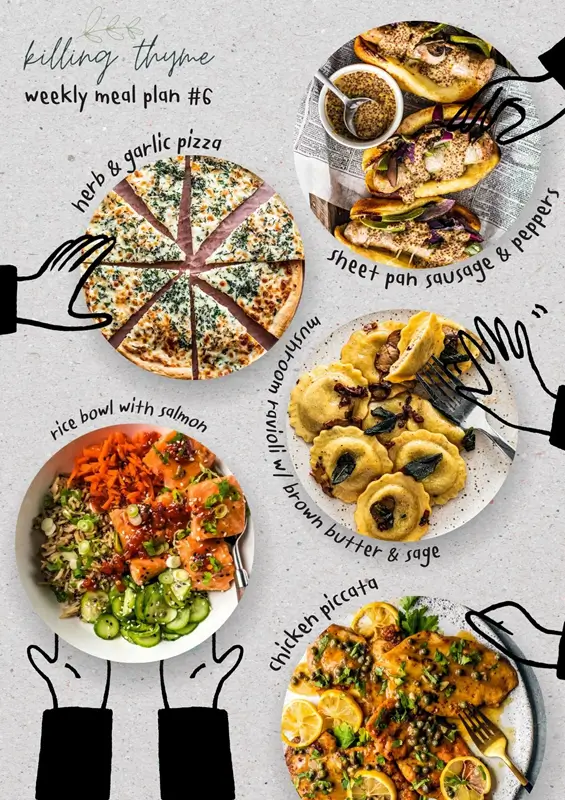
Now that you know what not to do, let’s talk strategy. The best one-pan dinners all follow the same basic formula: a protein, a mix of vegetables with compatible cook times, a fat (oil or butter), aromatics (garlic, onion, herbs), and a seasoning blend.
Once you nail the technique, you can riff on this endlessly. Feeling Mediterranean? Try a Dump-and-Bake Chicken Tzatziki Rice — it’s a perfect beginner-friendly one-pan recipe that uses a smart assembly method to prevent most of these mistakes by design. Or if you’re cooking for a crowd, these 25 Easy Dinner Recipes for Busy Moms are structured with timing baked right in.
One more tip: if you’re trying to work on your weekly planning around one-pan meals, learning how to meal prep dinner for the entire week can help you batch cook and avoid repeating these mistakes under time pressure.
The real secret to consistently good one-pan cooking is confidence that comes from understanding why things work, not just following steps blindly. Every mistake on this list taught thousands of home cooks something important — now you get to skip the frustration and go straight to the good results.
Final Thoughts: Master the Basics, Master One-Pan Cooking
One-pan dinners are genuinely one of the most practical cooking formats out there — minimal cleanup, efficient use of ingredients, and weeknight-ready speed. But like anything in cooking, there’s a gap between knowing the recipe and understanding the technique.
By avoiding these 10 common one-pan dinner mistakes — overcrowding, wrong pan choice, bad timing, under-seasoning, skipping the rest — you’re not just fixing one recipe. You’re building a foundation that makes every future meal better. Start with one change at a time. Nail it. Then move on.
Your one-pan dinners are about to get significantly better. Time to cook.
Ready to Cook Your Best One-Pan Dinner Yet?
Browse our collection of easy, tested one-pan recipes — with built-in timing guides and beginner-friendly instructions.
Frequently Asked Questions
What are the most common one-pan dinner mistakes beginners make?
The most common mistakes include overcrowding the pan, not preheating properly, adding all ingredients at once regardless of cook time, under-seasoning, and skipping the resting period after cooking. Each of these individually affects the final texture and flavor, but they’re all easy to fix once you’re aware of them.
Why do my one-pan dinner vegetables always come out soggy?
Soggy vegetables are almost always caused by overcrowding — when there’s no room for steam to escape, vegetables stew instead of roast. Make sure your vegetables are spread in a single layer with space between them, your oven is fully preheated to at least 400°F, and the veggies are patted dry before seasoning.
How do I keep chicken from drying out in a one-pan dinner?
Dry chicken usually means it was overcooked. Use an instant-read thermometer and pull chicken off heat at 165°F internal temperature. Also, let it rest for at least 5 minutes before cutting — this allows the juices to redistribute and keeps the meat moist.
What pan is best for one-pan dinners?
For oven-based one-pan dinners, a heavy rimmed half-sheet baking pan (18×13 inches) or a cast iron skillet gives the best results. These materials distribute heat more evenly and can handle high temperatures without warping. Avoid thin aluminum pans, which create hot spots and can cause uneven cooking.
Can I make one-pan dinners ahead of time for meal prep?
Absolutely — one-pan dinners are among the best meal-prep friendly options out there. Most hold well in the fridge for 3–4 days. For best results, slightly undercook vegetables so they don’t go mushy when reheated. Sheet-pan meals with grains or rice reheat especially well. Check out our full guide to meal prepping dinner for the week for a step-by-step plan.