

Food-sec.com – You’ve followed the package instructions perfectly, yet somehow your pasta still turns out mushy, sticky, or disappointingly overcooked. Sound familiar? You’re not alone.
Cooking pasta al dente—that perfect tender-yet-firm texture that Italians have mastered for centuries—seems simple enough, but it’s where most home cooks struggle the most. The truth is, learning how to cook pasta al dente every single time without guessing isn’t about luck or innate talent. It’s about understanding a few key principles that professional chefs use daily.
Once you grasp these techniques, you’ll never second-guess your pasta again. In this guide, you’ll discover the science behind al dente perfection, foolproof testing methods, and practical tips that transform your pasta dishes from mediocre to restaurant-quality.
What Does Al Dente Actually Mean?
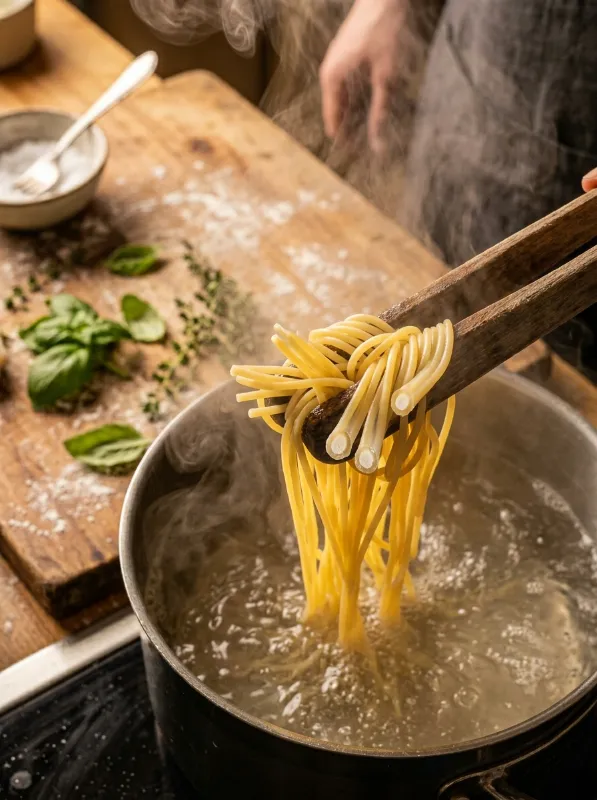
Al dente is an Italian phrase that literally translates to “to the tooth.” When pasta is cooked al dente, it should offer slight resistance when you bite into it—tender on the outside while maintaining a firm core. This isn’t just about texture preference; it’s about achieving the optimal eating experience that pasta shapes were designed to deliver. The science behind al dente involves starch gelatinization.
As pasta cooks, water penetrates the dried starch granules, causing them to swell and soften. Cooking too long allows complete gelatinization throughout, resulting in mushy pasta that falls apart. Stopping at the right moment preserves that desirable bite while ensuring digestibility.
Many people confuse al dente with undercooked pasta. There’s a crucial difference: undercooked pasta has a chalky, starchy center that’s unpleasant to eat and difficult to digest. Properly cooked al dente pasta has no raw starch taste—just that satisfying, slight chewiness that holds sauces beautifully.
If you’re looking for easy dinner recipes that impress, mastering this technique is your foundation.
Essential Equipment for Perfect Al Dente Pasta
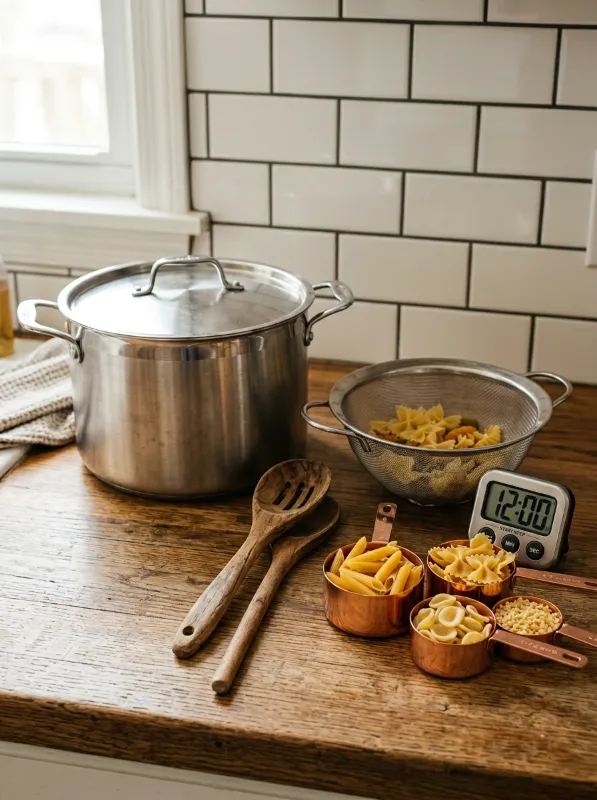
Before diving into technique, let’s talk about what you actually need in your kitchen. Surprisingly, achieving consistent al dente results depends heavily on having the right tools. A large pot is non-negotiable.
Pasta needs room to move freely in boiling water—cramped pasta sticks together and cooks unevenly. For one pound of pasta, use at least a 6-quart pot filled with 4-5 quarts of water. This ratio ensures proper heat distribution and prevents the water temperature from dropping too dramatically when you add the pasta.
Here’s your essential equipment checklist:
- Large stockpot – minimum 6-quart capacity
- Kitchen timer – digital preferred for accuracy
- Slotted spoon or spider strainer – for testing and draining
- Colander – with stable feet for hands-free draining
- Wooden spoon – for stirring without scratching your pot
A timer might seem obvious, but many cooks rely on guesswork. This single habit change—actually timing your pasta—dramatically improves consistency. Your phone timer works perfectly fine.
How to Cook Pasta Al Dente: Step-by-Step Method
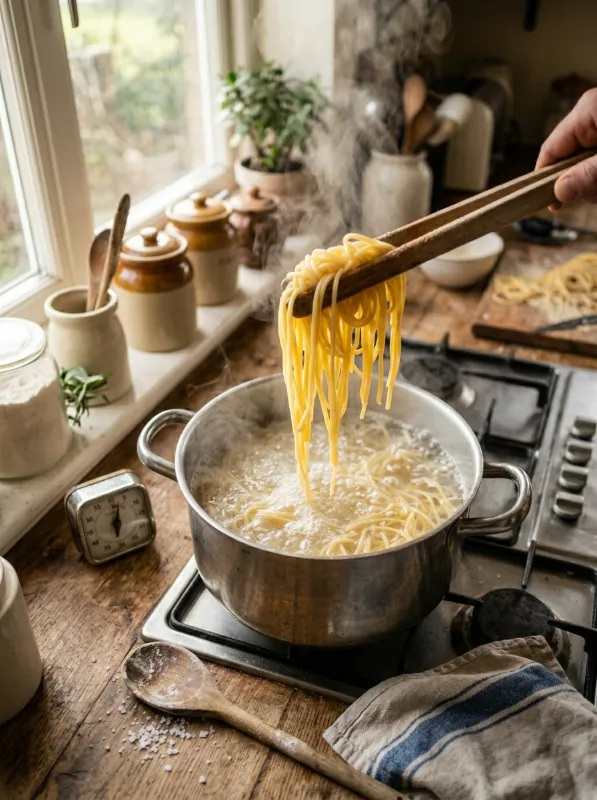
Now for the technique itself. This method works for virtually any dried pasta shape, from spaghetti to rigatoni to penne. Follow these steps precisely, and you’ll nail al dente texture every time.
Step 1: Boil generously salted water. Fill your large pot and bring water to a rolling boil. Add salt—about 1-2 tablespoons per pound of pasta.
The water should taste noticeably salty, like mild seawater. This is your only chance to season the pasta itself. Step 2: Add pasta and stir immediately.
Drop all pasta in at once and stir vigorously for the first 60 seconds. This prevents sticking during the critical initial phase when surface starches are most adhesive. Step 3: Set your timer for 2 minutes less than package instructions.
This is the secret most home cooks miss. Package times are suggestions, often on the longer side. Starting your testing window early gives you control.
Step 4: Test frequently. Starting at your reduced time, taste a piece every 30 seconds. Look for that thin white line in the center when you bite or cut a piece—that indicates remaining firmness.
Step 5: Drain at the perfect moment. When pasta is almost where you want it—still slightly firmer than your ideal—drain it. Residual heat continues cooking pasta for another 30-60 seconds after draining.
This trick is especially useful when making 25 Easy Dinner Recipes for Busy Moms (Ready in 30 Minutes or Less) where timing is everything.
The Bite Test: Your Foolproof Al Dente Indicator
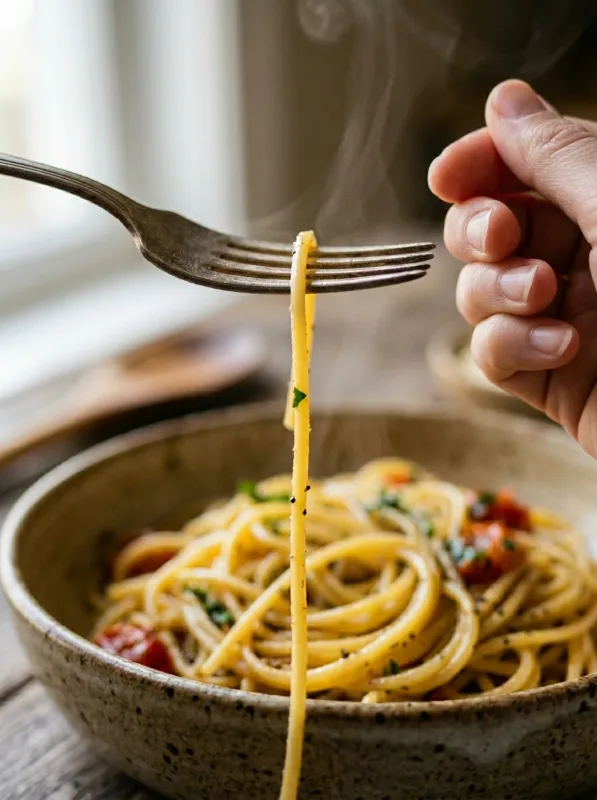
Forget complicated methods—the bite test is how Italian grandmothers have perfected pasta for generations. Here’s exactly how to do it right every single time without guessing. Fish out a single piece of pasta using your slotted spoon.
Let it cool for just 2-3 seconds—hot enough to reflect actual cooking state, cool enough not to burn your mouth. Bite through the thickest part of the pasta.
What you’re looking for:
| What You See/Feel | What It Means | Action |
|---|---|---|
| Chalky white center, hard to bite | Undercooked | Continue cooking 1-2 minutes |
| Thin white line, slight resistance | Perfect al dente | Drain immediately |
| Uniform color, no resistance | Fully cooked/overdone | Drain now (too late for al dente) |
| Mushy, falling apart | Overcooked | Start over or use for pasta salad |
The thin white line in the pasta’s cross-section is your visual confirmation. This line should be barely visible—perhaps 10-15% of the pasta’s diameter. Any thicker, and you’re still in undercooked territory.
No line at all means you’ve passed al dente.
Common Al Dente Mistakes and How to Fix Them
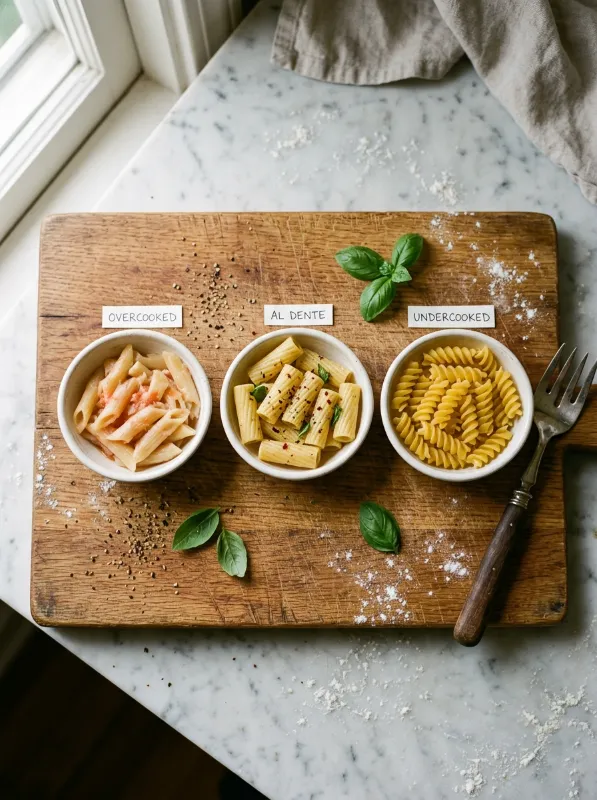
Even experienced cooks make these errors. Identifying and correcting these habits will transform your pasta game permanently. Mistake #1: Not using enough water.
Insufficient water causes temperature drops and uneven cooking. Your pasta essentially steams in crowded conditions rather than boiling freely. Always use 4-5 quarts per pound—no exceptions.
Mistake #2: Adding pasta before a full boil. Adding pasta to lukewarm or barely simmering water extends cooking time unpredictably. That rolling boil ensures immediate, even heat contact.
Wait until you see aggressive bubbling before adding your pasta. Mistake #3: Following package times exactly. Manufacturers provide conservative estimates accounting for varying altitudes, water qualities, and heat sources.
Your specific conditions might differ significantly. Always taste-test rather than trusting the clock alone. Mistake #4: Rinsing pasta after draining.
Unless you’re making cold pasta salad, never rinse cooked pasta. Rinsing washes away surface starches that help sauce adhere. It also cools pasta too quickly, affecting final texture.
Mistake #5: Letting drained pasta sit. Pasta continues cooking from residual heat and begins sticking within minutes of draining. Have your sauce ready before draining, and combine immediately.
This is why How to Meal Prep Dinner for the Entire Week (Step-by-Step Guide) often recommends slightly undercooking pasta that will be reheated later.
Timing Adjustments for Different Pasta Shapes
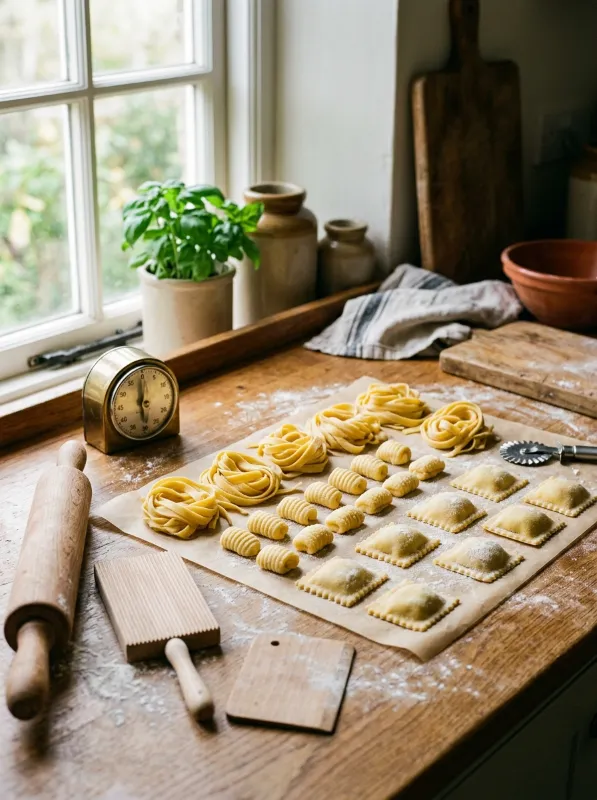
Not all pasta shapes cook equally. Understanding how shape affects cooking time helps you adapt the al dente method to any variety you’re working with. Thinner pastas like angel hair or thin spaghetti cook incredibly fast—sometimes 3-4 minutes total.
Your testing window is compressed, requiring more vigilance. Start testing at 2 minutes for these delicate shapes. Thicker shapes like rigatoni, penne rigate, or paccheri have longer cooking times, typically 11-14 minutes.
The good news? You have a wider margin for error. These shapes are more forgiving for beginners learning the al dente technique.
Fresh pasta is a completely different category. Homemade or store-bought fresh pasta cooks in 2-4 minutes total. Watch it like a hawk—the al dente window for fresh pasta is measured in seconds, not minutes.
Here’s a general timing guide to start your testing:
- Angel hair/Capellini: Start testing at 2 minutes
- Spaghetti/Linguine: Start testing at 6 minutes
- Penne/Rigatoni: Start testing at 9 minutes
- Farfalle/Rotini: Start testing at 8 minutes
- Fresh pasta: Start testing at 1.5 minutes
Pro Tips for Restaurant-Quality Results

These insider techniques separate good home cooks from great ones. Apply them, and your pasta will rival what you’d find at quality Italian restaurants. Save pasta water before draining.
Scoop out at least one cup of starchy cooking water before draining. This liquid gold adjusts sauce consistency and helps sauce cling to pasta. It’s the secret weapon professional chefs use constantly.
Finish cooking pasta in the sauce. Rather than simply topping drained pasta with sauce, transfer slightly underdone pasta directly into your sauce pan. Let it finish cooking in the sauce for 1-2 minutes, stirring constantly.
The pasta absorbs flavor while achieving perfect al dente texture. This technique works beautifully for 18 Cozy Dinner Recipes for Couples Perfect for Date Night at Home. Consider altitude adjustments.
Water boils at lower temperatures at high altitudes, requiring longer cooking times. If you live above 3,000 feet, add 1-2 minutes to standard cooking times and start your testing window accordingly. Temperature matters post-drain.
Warm your serving bowl or plates before plating. Cold dishes rapidly cool pasta, accelerating that unpleasant gummy texture. Simply fill bowls with hot water while pasta cooks, then dump and dry before serving.
Al Dente for Special Dietary Pasta Alternatives
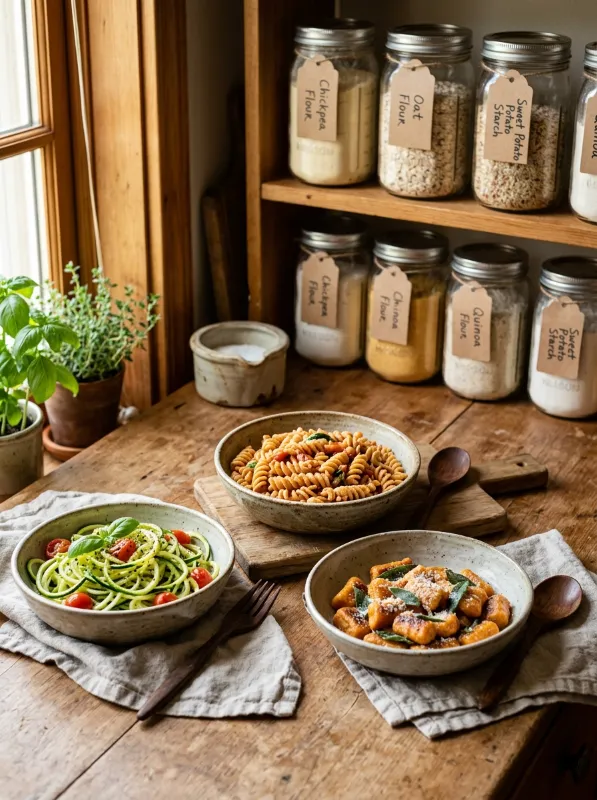
Gluten-free, whole wheat, and legume-based pastas have flooded the market. Each requires slight adjustments to achieve that al dente texture we’re chasing. Gluten-free pasta made from rice, corn, or quinoa lacks the protein structure of wheat pasta.
This means narrower al dente windows and higher risk of mushiness. Test even more frequently—every 20 seconds once you enter the testing window. These pastas also benefit enormously from finishing in sauce rather than sitting after draining.
Whole wheat pasta tends toward chewiness naturally. Slightly longer cooking times often produce better results. Don’t fear letting whole wheat pasta go a bit past traditional al dente—the bran content means it won’t turn mushy as quickly as refined pasta.
Chickpea and lentil pastas cook similarly to traditional pasta but hold up remarkably well. They’re actually quite forgiving. However, they can develop grainy textures if severely overcooked, so standard al dente testing applies.
Budget-conscious students often prefer these options, and you’ll find helpful ideas in 20 Simple Dinner Recipes for College Students That Cost Almost Nothing.
Frequently Asked Questions
How do I know when pasta is al dente without biting it?
While the bite test is most reliable, you can cut a piece of pasta and look at the cross-section. A thin white line in the center indicates al dente. Alternatively, throw a piece against the wall—if it sticks but still has slight firmness when you pull it off, it’s close.
However, tasting remains the gold standard for how to cook pasta al dente every single time without guessing.
Why does my pasta always stick together even when cooked al dente?
Sticking usually results from insufficient water, inadequate stirring during the first minute, or letting drained pasta sit too long. Always use plenty of water, stir immediately after adding pasta, and toss drained pasta with sauce (or a splash of olive oil if waiting) right away.
Can I cook pasta al dente and reheat it later?
Yes, but slightly undercook it before storing. When you reheat—ideally by tossing in warm sauce—it will finish cooking to al dente. Microwaving tends to create uneven textures; stovetop reheating in sauce produces far better results.
Does the type of pot affect how to cook pasta al dente?
Pot material matters less than size. However, heavy-bottomed pots maintain more stable temperatures when pasta is added. Thin, lightweight pots lose heat quickly, extending cooking times unpredictably.
Invest in quality cookware for consistent results.
Why does restaurant pasta taste better even when I cook pasta al dente at home?
Restaurants typically finish pasta directly in sauce, use generous amounts of pasta water to create emulsified sauces, and work with higher-quality ingredients. They also serve immediately, preventing that post-cooking texture decline. Apply these professional techniques at home for restaurant-quality results.
Final Thoughts
Mastering how to cook pasta al dente every single time without guessing isn’t complicated—it’s about developing consistent habits and trusting your senses over package instructions. Start with properly salted, generously boiling water. Set your timer for less than suggested.
Test frequently starting early. Drain when pasta is almost perfect, knowing residual heat finishes the job. The more you practice, the more instinctive this becomes.
You’ll eventually sense al dente just by how pasta moves in the water or feels against your spoon. Until then, taste-test religiously and never apologize for checking multiple times. That’s exactly what skilled cooks do.
Now grab a box of your favorite pasta and put these techniques to work tonight. Your perfectly al dente dinner awaits.