
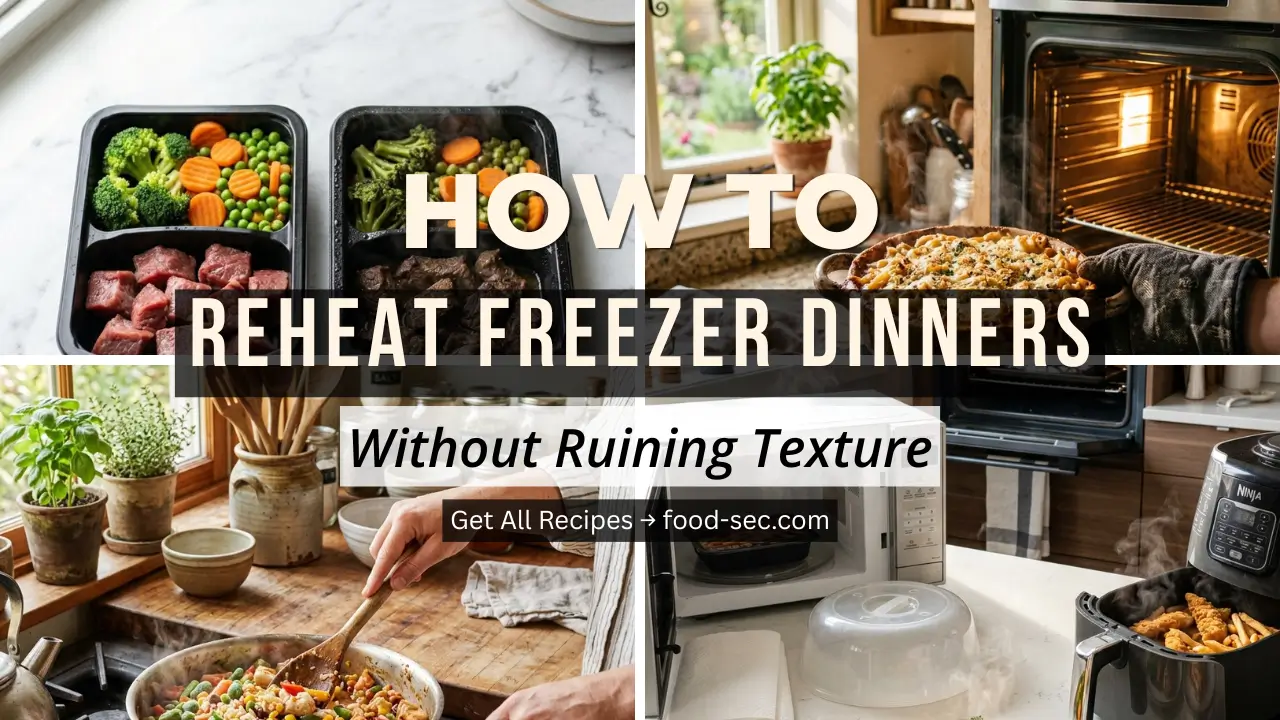
Food-sec.com – You pull a freezer dinner from the freezer after a long day, pop it in the microwave, and end up with rubbery chicken, soggy vegetables, and rice that could double as concrete. Sound familiar? Learning how to reheat freezer dinners without ruining the texture or taste is a skill that transforms mediocre meals into something genuinely enjoyable.
The truth is, most people reheat frozen meals completely wrong. They blast everything on high heat, skip crucial resting times, and wonder why their dinner tastes nothing like it did when freshly cooked. I have spent years perfecting freezer meal prep and reheating techniques, and the difference proper methods make is honestly shocking.
In this guide, you will discover the exact techniques professional chefs use to reheat frozen dinners, which appliances work best for different foods, and the common mistakes destroying your meals. Whether you are reheating batch-cooked casseroles or store-bought frozen entrees, these methods will change your kitchen game forever.
Understanding Why Freezer Dinners Lose Quality When Reheated
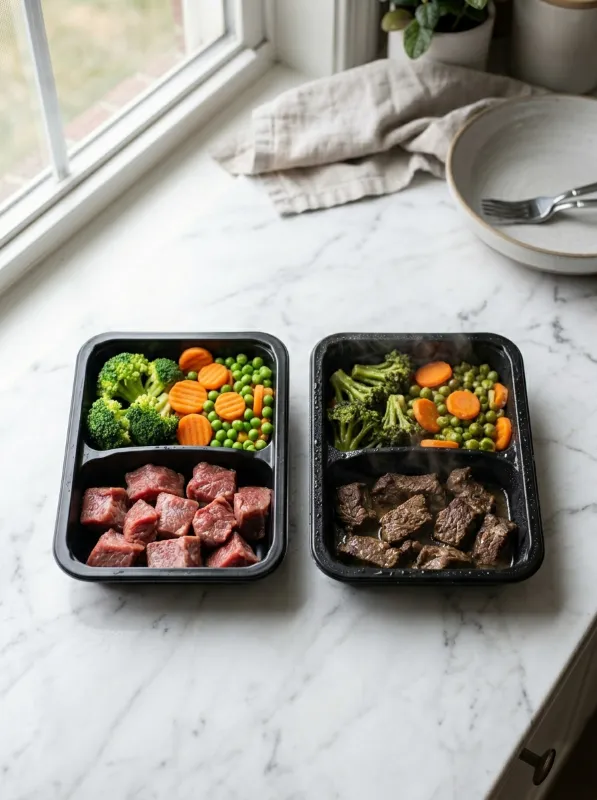
Before diving into solutions, you need to understand the science behind why frozen meals often turn out poorly. When food freezes, ice crystals form within the cellular structure. These crystals can rupture cell walls, which is why some foods become mushy after thawing.
The reheating process compounds these issues. Rapid, uneven heating causes moisture to escape from some areas while leaving others ice-cold. Proteins in meat can tighten and become rubbery when overheated.
Starches in pasta and rice either dry out completely or become gummy depending on how they are reheated. If you are preparing How to Meal Prep Dinner for the Entire Week (Step-by-Step Guide), understanding these principles helps you freeze meals in ways that preserve quality from the start.
The key factors affecting reheated meal quality include:
- Original cooking method and doneness level
- How quickly the food was frozen
- Storage container and air exposure
- Thawing method used
- Reheating temperature and duration
How to Reheat Freezer Dinners Using the Microwave Properly
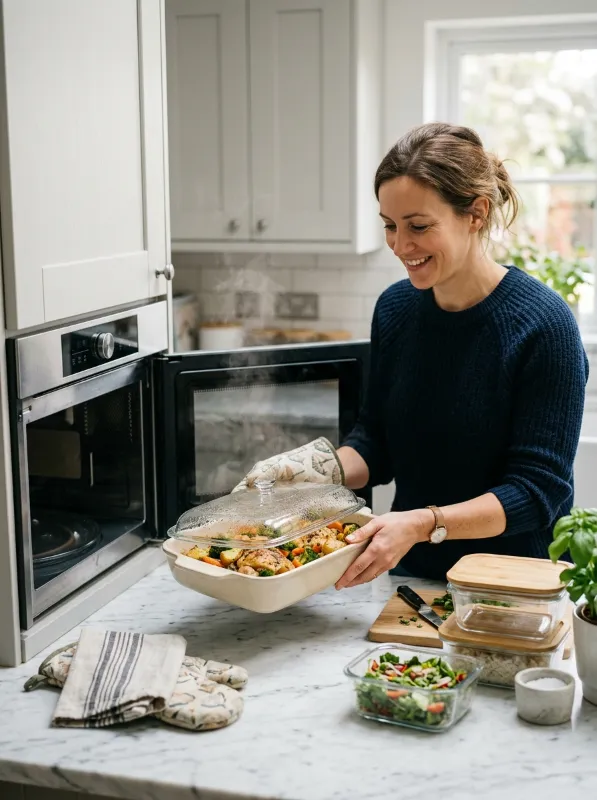
The microwave gets a bad reputation for reheating, but it is not the appliance that is the problem—it is how people use it. Microwaves heat food by exciting water molecules, which creates uneven hot spots if you are not careful. Start by reducing your power level to 50-70% instead of blasting on high.
This allows heat to distribute more evenly throughout the dish. Cover your food with a damp paper towel or microwave-safe lid to trap steam and prevent moisture loss. Here is the game-changer most people miss: stir or rotate your food every 60-90 seconds.
This simple step prevents those frustrating cold centers surrounded by scalding edges. For dense items like casseroles or lasagna, create a well in the center to help heat penetrate evenly. Let your food rest for 1-2 minutes after microwaving.
The internal temperature continues equalizing during this time, and you avoid burning your mouth on superheated pockets. This technique works especially well for easy dinner recipes that you have batch-cooked and frozen.
Oven Reheating Methods for Best Texture and Taste
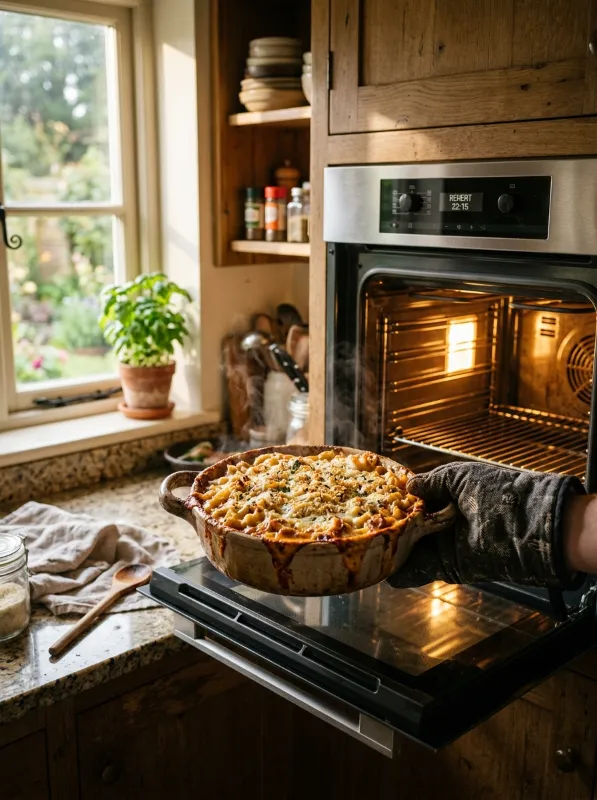
When you have the time, oven reheating produces superior results for most freezer dinners. The dry, ambient heat of an oven reheats food more evenly and can actually restore crispiness that microwaving destroys. Preheat your oven to 325-350°F for most dishes.
Higher temperatures risk drying out the exterior before the interior warms through. Cover dishes with aluminum foil for the first two-thirds of reheating time, then remove the foil to allow any excess moisture to escape and surfaces to crisp slightly. Add a splash of liquid before reheating—broth for savory dishes, a little water for rice and grains.
This creates steam inside the covered dish and prevents that dreaded dried-out texture. Place your dish on the middle rack for most even heat distribution.
| Food Type | Oven Temperature | Approximate Time | Special Tips |
|---|---|---|---|
| Casseroles | 350°F | 25-35 minutes | Cover with foil, add 2 tbsp liquid |
| Proteins (chicken, beef) | 325°F | 15-25 minutes | Add broth, cover tightly |
| Pasta dishes | 350°F | 20-30 minutes | Stir halfway through |
| Rice dishes | 325°F | 15-20 minutes | Sprinkle water before covering |
| Soups and stews | 350°F | 30-40 minutes | Stir occasionally |
Stovetop Reheating Techniques for Frozen Meals
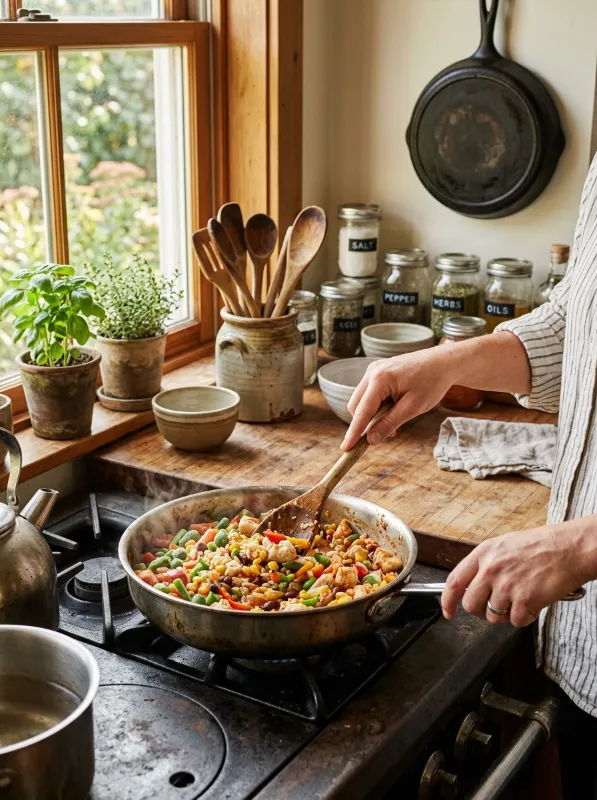
The stovetop offers precise temperature control that neither microwaves nor ovens can match. This method works exceptionally well for soups, stews, sauces, and dishes with separate components you can reheat individually. Use low to medium-low heat and resist the urge to crank up the burner.
High heat causes proteins to seize and sauces to break. Add small amounts of liquid as needed—this is especially important for tomato-based sauces that tend to thicken excessively when frozen and reheated. Stir frequently and gently to distribute heat without breaking up tender ingredients.
For dishes like stir-fries or sautéed vegetables, a quick high-heat finish in a hot pan can restore some of that fresh-cooked texture after initial gentle reheating. This method pairs perfectly with 20 Simple Dinner Recipes for College Students That Cost Almost Nothing since most college kitchens have a basic stovetop even if other appliances are limited.
Air Fryer Secrets for Reheating Freezer Dinners Without Texture Loss
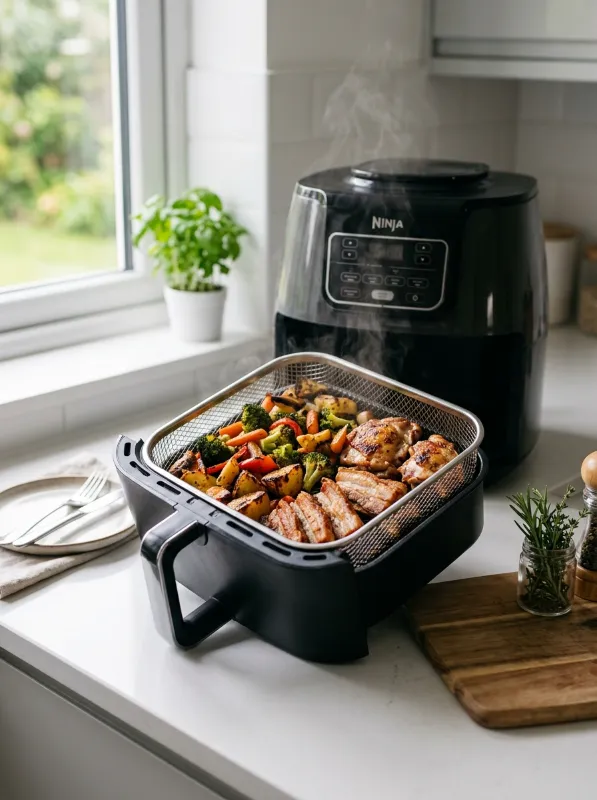
Air fryers have revolutionized freezer meal reheating, especially for foods that should be crispy. The circulating hot air mimics deep-frying results without added oil, making it perfect for breaded items, roasted vegetables, and proteins with crispy skins. Preheat your air fryer for 2-3 minutes before adding food.
Arrange items in a single layer without overcrowding—air circulation is what makes this appliance work. Most frozen items reheat beautifully at 350-375°F for 3-8 minutes depending on size and density. Lightly mist foods with cooking spray before reheating if you want maximum crispiness.
This works wonderfully for previously fried foods, roasted potatoes, and chicken with skin. Check food halfway through and flip or shake the basket for even results. The air fryer is less ideal for saucy dishes or delicate foods that might dry out.
Stick to the oven or stovetop for creamy casseroles, soups, and foods with high moisture content.
Common Mistakes That Ruin Reheated Freezer Dinners
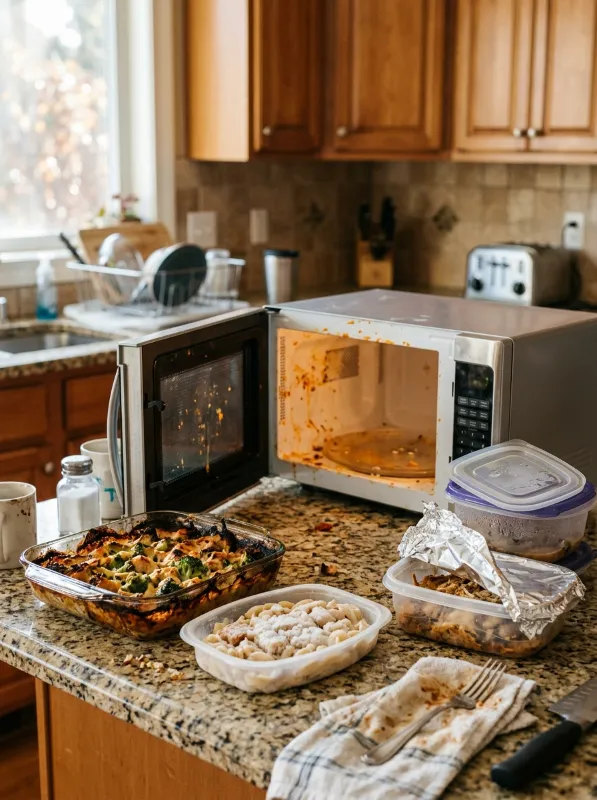
Even with the right equipment, certain mistakes consistently destroy freezer dinner quality. Recognizing and avoiding these errors makes an immediate difference in your results. Reheating directly from frozen without thawing: While some foods can go straight from freezer to reheater, dense items benefit from overnight refrigerator thawing.
This ensures even heating throughout and reduces the chance of cold centers. Using maximum heat to save time: High temperatures cook the outside while leaving the inside frozen or cold. Always use moderate temperatures and extend time instead.
The few extra minutes are worth perfect texture. Skipping added moisture: Frozen food loses moisture during freezing and storage. That splash of broth, water, or sauce you add before reheating replaces lost moisture and prevents dryness.
Not covering food properly: Covers trap steam that keeps food moist. Use vented lids for items that should stay somewhat crispy and tight-fitting covers for foods that should stay tender. Reheating everything together: Different components reheat at different rates.
When possible, separate proteins from starches from vegetables and reheat each appropriately. If you enjoy 18 Cozy Dinner Recipes for Couples Perfect for Date Night at Home, taking these extra steps transforms a reheated freezer dinner into something that feels special.
Best Practices for Freezing Meals That Reheat Well
How to reheat freezer dinners without ruining the texture or taste actually starts before anything goes in the freezer. Proper freezing techniques set you up for reheating success. Slightly undercook foods you plan to freeze and reheat.
Pasta should be just barely al dente, vegetables should be crisp-tender, and proteins should be pulled just before reaching full doneness. The reheating process finishes cooking without overdoing it. Cool foods quickly before freezing.
Spread hot food in shallow containers rather than deep pots, and place in the refrigerator uncovered until cool before covering and transferring to the freezer. Rapid cooling limits bacterial growth and reduces ice crystal formation. Use appropriate containers with minimal air space.
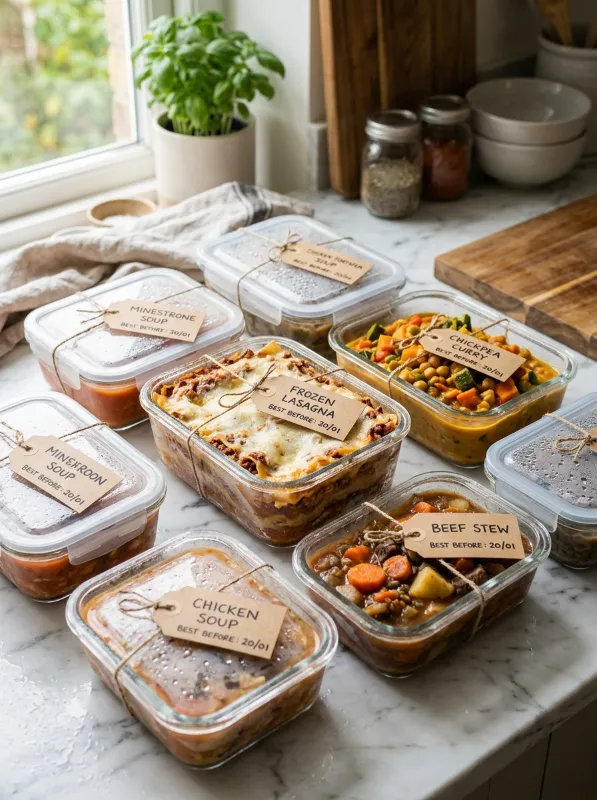
Freezer burn occurs when air contacts food surfaces, causing dehydration and off-flavors. Press plastic wrap directly onto food surfaces before adding lids, or use vacuum sealing for best results. Label everything with contents and date.
This helps you use older items first and know exactly what reheating method each meal needs. For those who prepare 25 Easy Dinner Recipes for Busy Moms (Ready in 30 Minutes or Less), good labeling saves precious time during hectic weeknight dinners.
Frequently Asked Questions
How do I reheat freezer dinners without them getting soggy?
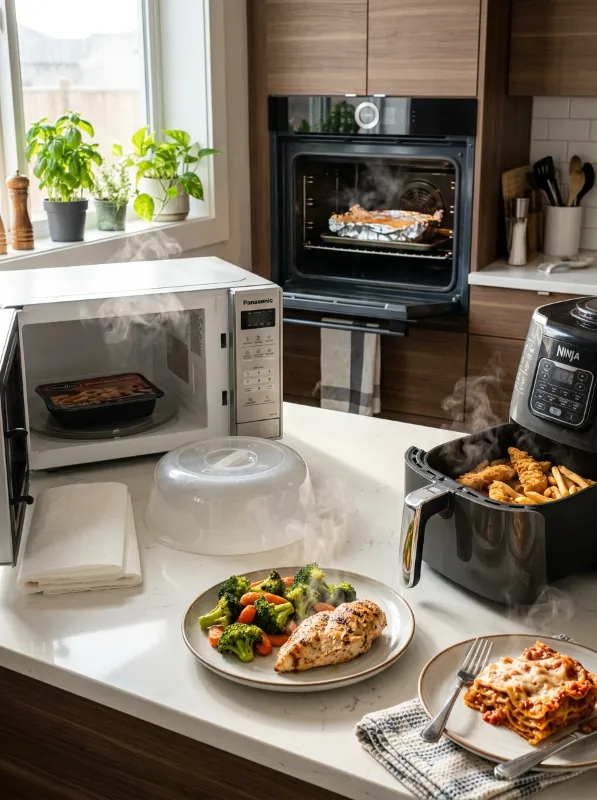
Prevent sogginess by using lower microwave power settings and vented covers that allow steam to escape. For oven reheating, remove foil covers during the last few minutes to let excess moisture evaporate. Air fryers work exceptionally well for items that should stay crispy.
What is the best way to reheat freezer dinners with rice?
Sprinkle 1-2 tablespoons of water over rice before reheating and cover tightly. Microwave on 50% power in 90-second intervals, fluffing with a fork between each interval. The added moisture rehydrates the rice grains without making them mushy.
Can you reheat freezer dinners without ruining the texture of meat?
Yes—the key is gentle, low-temperature reheating with added moisture. Use the oven at 325°F with a splash of broth, or reheat on the stovetop over low heat in a covered pan. Never microwave meat on high power, as this causes proteins to toughen quickly.
How long should I let freezer dinners thaw before reheating?
For best results, thaw freezer dinners overnight in the refrigerator. If you are short on time, use the microwave defrost function in 2-minute intervals, checking frequently. Dense casseroles and large portions especially benefit from proper thawing before reheating.
Why does my reheated freezer dinner taste different than when freshly cooked?
Freezing can dull flavors as aromatic compounds dissipate and fats oxidize slightly. Combat this by adding fresh herbs, a squeeze of lemon or lime juice, or a dash of your favorite seasoning after reheating. These simple additions restore brightness and depth to reheated meals.
Final Thoughts
Mastering how to reheat freezer dinners without ruining the texture or taste transforms your relationship with meal prep and frozen foods. The techniques you have learned—proper temperature control, added moisture, choosing the right appliance for each food type—are simple but make dramatic differences in your eating experience. Start implementing these methods with your next freezer meal and notice the improvement immediately.
Pay attention to which techniques work best for the types of food you freeze most often, and adjust your approach based on results. Your future self will thank you every time a perfectly reheated dinner comes out of the kitchen. Try one of these reheating methods tonight and experience the difference proper technique makes.
Once you taste what a correctly reheated freezer dinner should be, you will never go back to your old habits.