
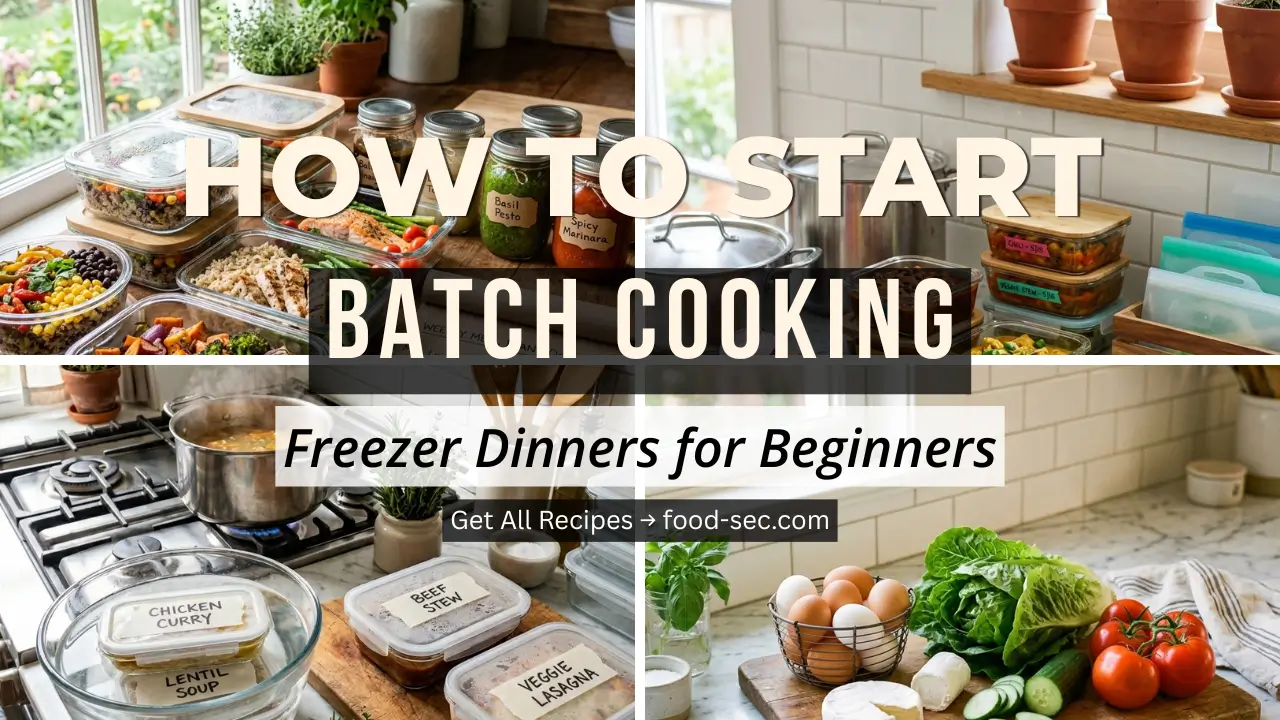
Food-sec.com – Picture this: it’s 6 PM on a Wednesday, you’re exhausted from work, and the thought of cooking dinner feels overwhelming. Now imagine opening your freezer and pulling out a delicious, homemade meal that only needs reheating. That’s the magic of batch cooking freezer dinners, and if you’ve never tried it before, you’re about to discover a game-changer for your kitchen routine.
Learning how to start batch cooking freezer dinners for the first time might seem intimidating, but trust me—it’s simpler than you think. Whether you’re a busy professional, a parent juggling multiple responsibilities, or someone who simply wants to eat better without spending hours in the kitchen every day, this approach will transform your relationship with meal preparation. In this guide, I’ll walk you through everything from essential equipment to foolproof recipes that freeze beautifully.
By the end of this article, you’ll have a clear roadmap for your first batch cooking session, including what to cook, how to store it properly, and tips to make the entire process enjoyable rather than exhausting.
What Is Batch Cooking and Why Should You Try It?
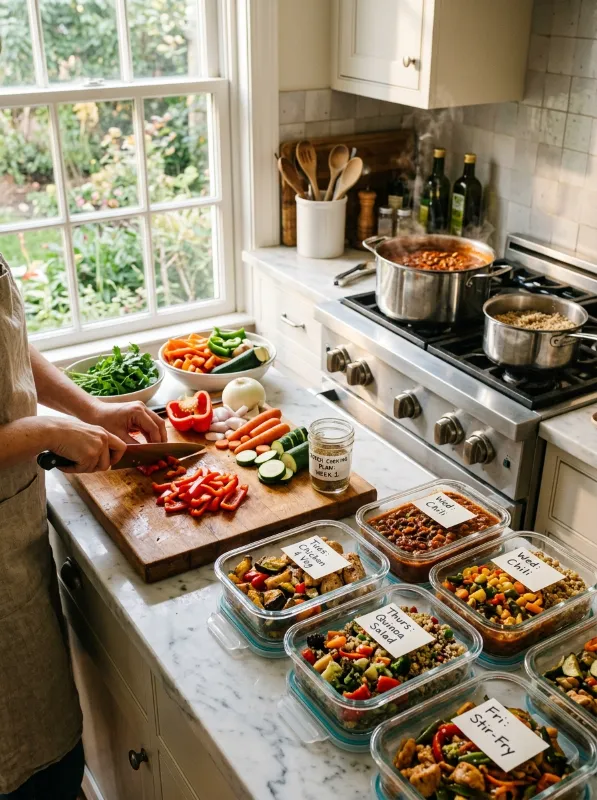
Batch cooking is the practice of preparing multiple meals or meal components at once, then storing them for later use. When combined with freezer storage, you create a personal stockpile of ready-to-eat dinners that can last weeks or even months. The benefits are substantial.
First, you’ll save significant time—instead of cooking seven separate dinners, you spend one dedicated session preparing food for the entire week or longer. Second, batch cooking saves money because you can buy ingredients in bulk and reduce food waste. Third, having freezer dinners ready eliminates the temptation to order expensive takeout on tired evenings.
Many people who discover How to Meal Prep Dinner for the Entire Week (Step-by-Step Guide) find that batch cooking naturally becomes part of their routine. The initial investment of time pays dividends throughout the month.
Essential Equipment for Batch Cooking Freezer Dinners
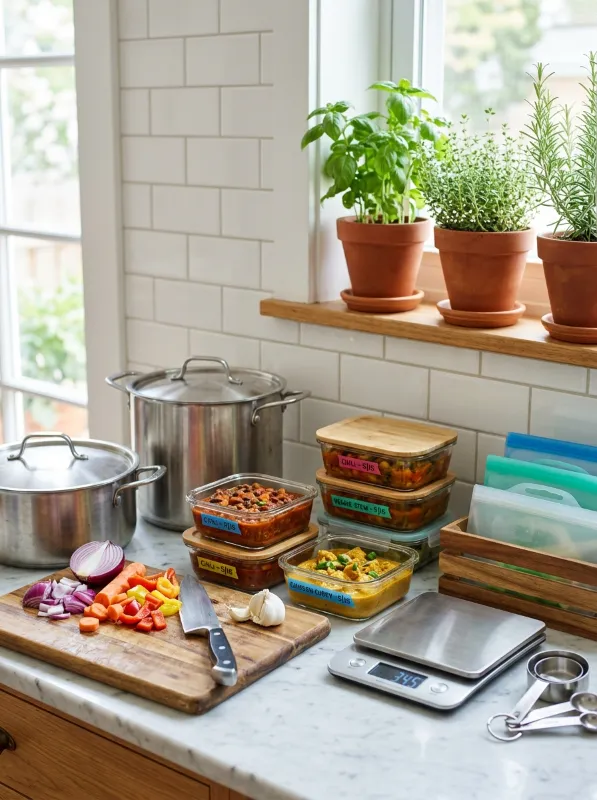
Before diving into your first batch cooking session, gather these essential tools:
- Quality freezer containers: Glass containers with airtight lids work best for soups and casseroles. They’re microwave-safe and don’t absorb odors.
- Freezer bags: Heavy-duty gallon and quart-sized bags are perfect for marinated meats, sauces, and flat-freezing items.
- Large pots and pans: A 6-quart Dutch oven and large baking sheets allow you to cook bigger batches efficiently.
- Permanent markers and labels: Always label containers with the dish name and date. Trust me, you won’t remember what that mysterious brown blob is three weeks later.
- Sheet pan and muffin tins: Great for portion-controlled freezing of items like meatballs or breakfast egg cups.
You don’t need to purchase everything at once. Start with what you have, then gradually invest in better storage solutions as batch cooking becomes a regular habit.
How to Start Batch Cooking Freezer Dinners: Step-by-Step Process
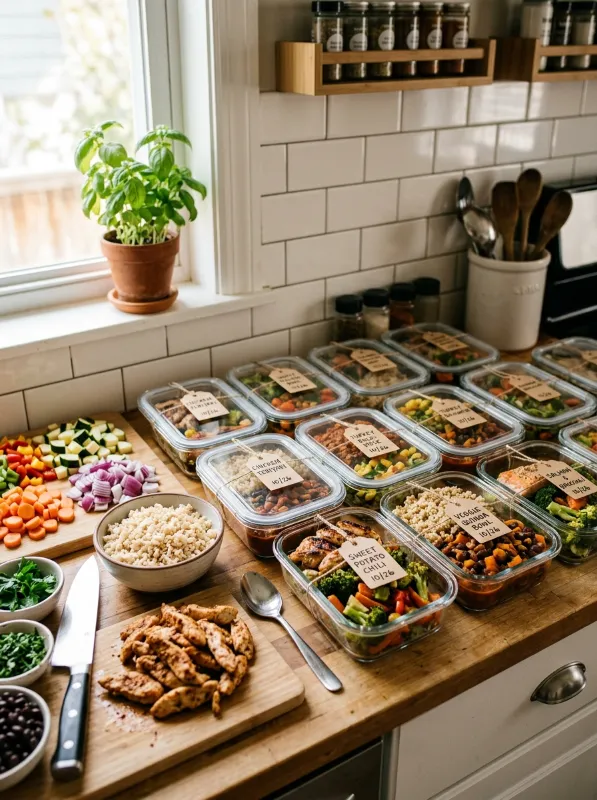
Your first batch cooking session should be strategic, not chaotic. Here’s a practical approach that works for beginners:
Step 1: Plan Your Menu
Choose 3-4 recipes that freeze well and that your household actually enjoys eating. There’s no point in freezing ten portions of something nobody wants to eat. Start simple with casseroles, soups, marinades, and slow-cooker meals.
Step 2: Create a Master Shopping List
Once you’ve selected recipes, compile all ingredients into one organized list. Group items by grocery store section to make shopping faster. Check your pantry first—you likely already have staples like olive oil, spices, and canned goods.
Step 3: Prep Ingredients First
Before turning on a single burner, chop all vegetables, measure spices, and portion proteins. Professional chefs call this “mise en place,” and it makes the cooking phase dramatically smoother.
Step 4: Cook Strategically
Use multiple cooking methods simultaneously. While soup simmers on the stove, a casserole can bake in the oven. While those cook, you can assemble raw dump-and-go freezer bags for the slow cooker.
Step 5: Cool and Package Properly
Never put hot food directly into the freezer—it raises the freezer temperature and can partially thaw other items. Cool food to room temperature first, then refrigerate briefly before freezing.
Best Recipes for First-Time Batch Cooking Freezer Dinners
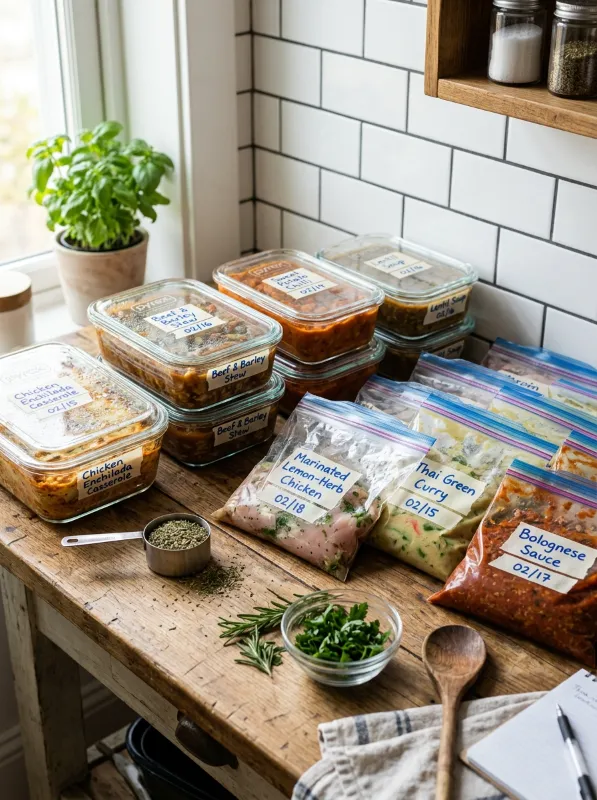
Not all recipes freeze equally well. For your first attempt, focus on dishes with high success rates:
| Recipe Type | Freezer Life | Reheating Method |
|---|---|---|
| Soups and Stews | 3-4 months | Stovetop or microwave |
| Casseroles | 2-3 months | Oven at 350°F |
| Marinated Raw Meats | 3-4 months | Thaw and cook fresh |
| Meatballs | 3-4 months | Oven or stovetop in sauce |
| Burritos/Wraps | 2-3 months | Microwave or oven |
Some excellent starter recipes include chicken enchilada casserole, Italian meatballs in marinara, beef and vegetable soup, and teriyaki chicken dump bags. These are forgiving recipes that taste great even after freezing and reheating. If you’re looking for more inspiration, exploring easy dinner recipes can give you additional ideas that adapt well to batch cooking.
Foods to Avoid Freezing
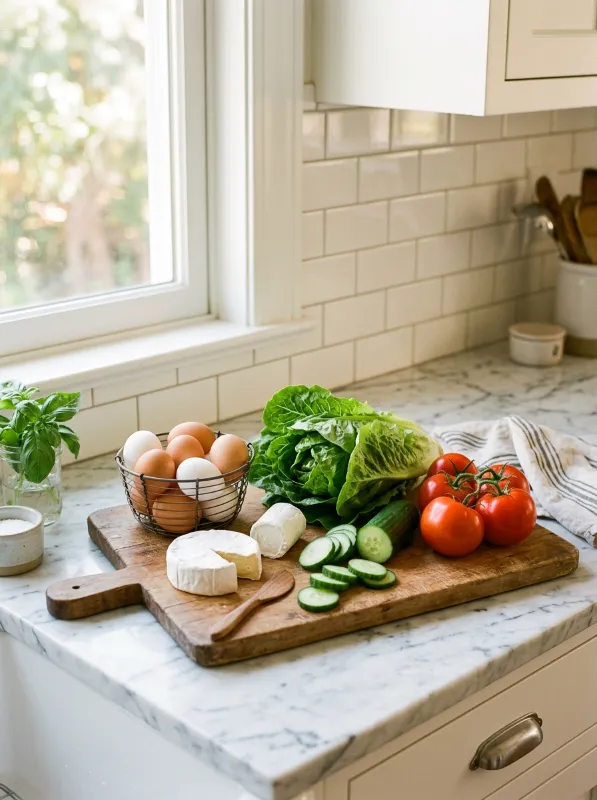
Understanding what doesn’t freeze well saves frustration. Avoid freezing:
- Dairy-based sauces: Cream sauces can separate and become grainy. Add fresh dairy when reheating instead.
- Fried foods: They lose crispiness entirely and become soggy.
- Raw vegetables with high water content: Cucumbers, lettuce, and raw tomatoes turn mushy.
- Fully cooked pasta: It becomes overcooked when reheated. Instead, freeze sauces separately and cook pasta fresh.
- Potatoes in soup: They can become grainy. Add potatoes when reheating, or use waxy potato varieties.
Learning these limitations early prevents disappointing results and wasted ingredients.
Proper Freezing and Storage Techniques
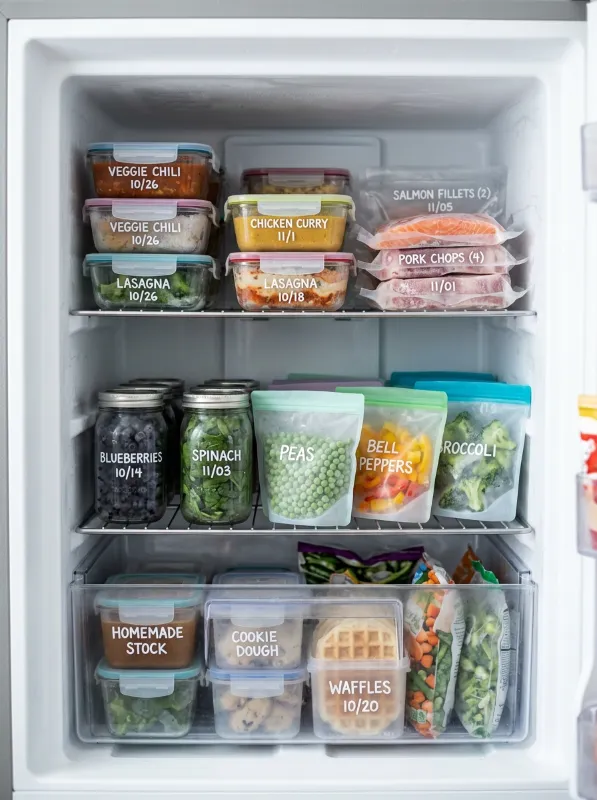
How you freeze food matters as much as what you freeze. These techniques ensure your meals taste fresh months later: Remove air completely. Air causes freezer burn, which degrades texture and flavor.
When using freezer bags, squeeze out all air before sealing. Consider investing in a vacuum sealer for long-term storage. Freeze flat when possible.
Lay bags flat on a baking sheet to freeze, then stack them vertically like files. This saves space and allows for faster thawing. Portion appropriately.
Freeze meals in the portions your household will actually eat. For couples, freeze dinners in two-serving containers. Parents cooking for four should adjust accordingly.
You can check out these 18 Cozy Dinner Recipes for Couples Perfect for Date Night at Home for portion-appropriate inspiration. Use the FIFO method. First In, First Out—place newer items behind older ones so you use the oldest meals first.
Time-Saving Tips for Your Batch Cooking Session
Experienced batch cookers have learned tricks that make sessions more efficient: First, double or triple recipes you’re already making. If you’re cooking chili for tonight’s dinner anyway, make a triple batch with minimal extra effort. Two-thirds goes into the freezer.
Second, use overlapping ingredients across multiple recipes. If three recipes need diced onions, chop all the onions at once. This “assembly line” approach dramatically reduces prep time.
Third, consider investing in a slow cooker or Instant Pot. These appliances work while you focus on other recipes, effectively multiplying your cooking capacity. Many 25 Easy Dinner Recipes for Busy Moms (Ready in 30 Minutes or Less) can be adapted for batch cooking with these tools.
Fourth, play music or podcasts during your session. What feels like a chore becomes enjoyable “me time” with the right entertainment.
Thawing and Reheating for Best Results
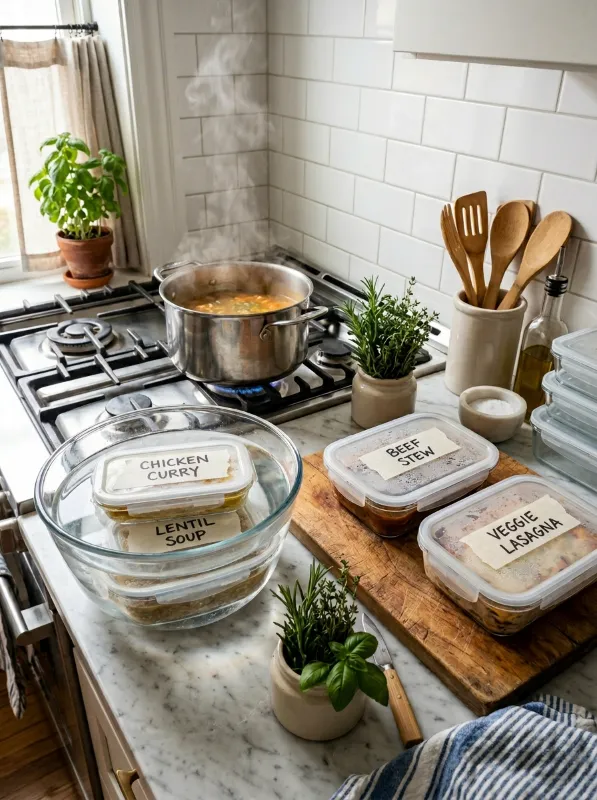
Your beautifully batch-cooked freezer dinners deserve proper reheating. The best method depends on the dish type and your timeline. Refrigerator thawing is the safest method.
Transfer frozen meals to the refrigerator 24-48 hours before you plan to eat them. This slow thaw preserves texture and keeps food at safe temperatures. Cold water thawing works when you forgot to plan ahead.
Submerge sealed bags in cold water, changing the water every 30 minutes. Most meals thaw within 1-2 hours. Microwave thawing is fastest but can create uneven results.
Use the defrost setting and cook immediately after thawing. For reheating casseroles, cover with foil and bake at 350°F until heated through (internal temperature of 165°F). Soups reheat beautifully on the stovetop over medium heat, stirring occasionally.
Budget-Friendly Batch Cooking Strategies
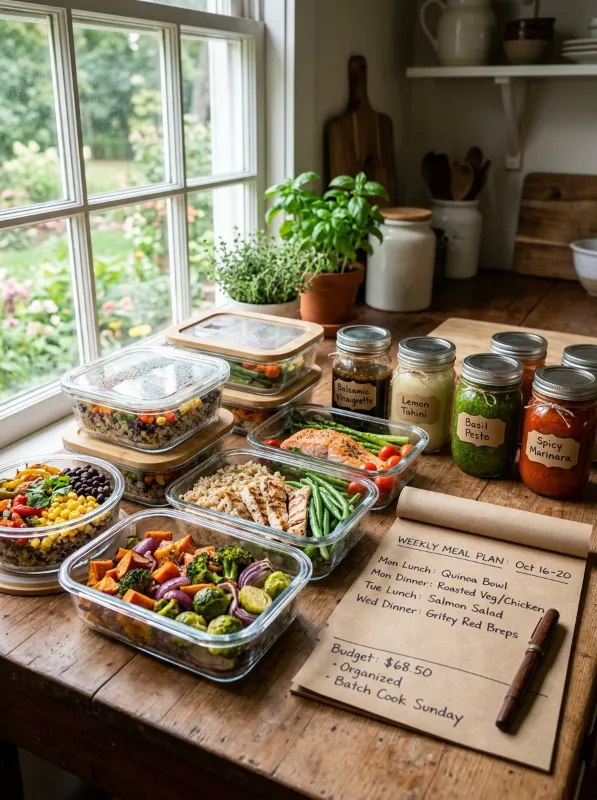
Batch cooking already saves money, but strategic shopping multiplies those savings. Watch for sales on proteins—when chicken breast hits $1.99 per pound, that’s your signal to batch cook multiple chicken-based meals. Buy store brands for pantry staples.
Canned tomatoes, beans, and broths from store brands perform identically to name brands in cooked dishes. The savings add up quickly when you’re buying in quantity. Seasonal produce offers another opportunity.
When zucchini is abundant and cheap in summer, batch cook zucchini-based soups and casseroles for winter eating. Students and young adults on tight budgets particularly benefit from this approach. The collection of 20 Simple Dinner Recipes for College Students That Cost Almost Nothing includes options perfect for batch cooking on a budget.
Frequently Asked Questions
How long do batch-cooked freezer dinners actually last?
Most properly stored freezer dinners maintain quality for 2-4 months. While they remain safe indefinitely when frozen at 0°F, quality declines over time. Label everything with dates and aim to use meals within three months for best taste and texture.
Can I start batch cooking freezer dinners if I have a small freezer?
Absolutely! Small freezers simply require more strategic planning. Focus on flat-freezing in bags to maximize space, and prepare 2-3 meals at a time rather than a full month’s worth.
Even a small freezer can hold 8-10 meals when organized efficiently.
What’s the best day to do batch cooking for the first time?
Most people find Sunday afternoons ideal because you’re rested and have time without work obligations. However, any day works—the key is blocking out 2-4 uninterrupted hours when you can focus. Start with a smaller session (2 recipes) to build confidence.
How to start batch cooking freezer dinners when I hate cooking?
Focus on dump-and-go freezer meals that require minimal actual cooking. Assemble ingredients in freezer bags, then simply dump them into a slow cooker on busy days. You’ll spend maybe 30 minutes assembling multiple meals with almost no cooking involved.
Do freezer dinners taste as good as fresh-cooked meals?
When done correctly, many freezer meals taste nearly identical to fresh. Soups, stews, and braised dishes often taste even better because flavors meld during storage. The key is choosing appropriate recipes and following proper freezing and reheating techniques.
Final Thoughts
Starting your batch cooking journey doesn’t require perfection—it requires starting. Your first session might feel clunky as you figure out timing and organization, but by your third or fourth time, you’ll develop a rhythm that feels natural and even enjoyable. The payoff comes on those exhausted weeknight evenings when you open your freezer and realize dinner is already handled.
That sense of relief, combined with the money saved and the healthier meals consumed, makes the initial learning curve worthwhile. Begin with just two or three simple recipes this weekend. Experience the satisfaction of stocking your freezer with homemade meals, then gradually expand your repertoire.
Your future self—standing hungry in front of the freezer at 6 PM—will thank you.