
Food-sec.com – Ever come home exhausted, staring into the kitchen, and desperately wishing a satisfying, restaurant-worthy meal could appear in under 30 minutes? That’s exactly where sticky garlic chicken noodles come in. This dish hits every note — savory, slightly sweet, deeply garlicky, and loaded with the kind of protein that actually keeps you full. Whether you’re chasing your fitness goals or just need a quick dinner that doesn’t taste like a compromise, these noodles are your answer.
In this guide, you’ll get everything you need: the exact recipe, the best noodle types to use, how to nail that glossy sticky sauce, smart tips for boosting your protein intake, and ways to customize the dish based on what’s in your pantry. Let’s get into it.
What Are Sticky Garlic Chicken Noodles?
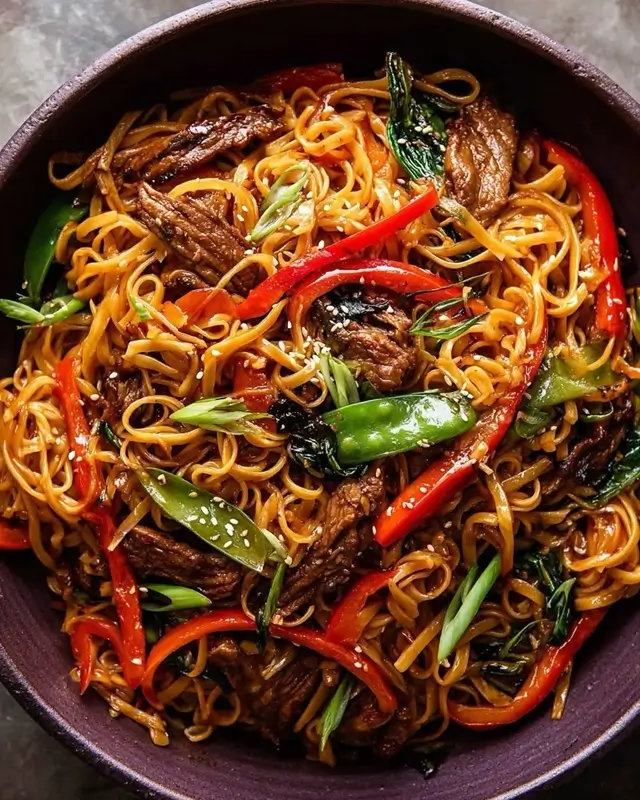
Sticky garlic chicken noodles are a bold weeknight dinner made by tossing cooked noodles and tender chicken in a glossy, savory garlic sauce that clings to every strand. The sauce typically combines soy sauce, garlic, a touch of sweetness (honey or brown sugar), and a splash of sesame oil, creating that irresistible sticky texture you’d expect from your favorite Asian-inspired takeout — only homemade and far healthier.
The beauty of this dish? It’s incredibly flexible. You can use ramen noodles, rice noodles, udon, spaghetti, or even egg noodles. The sauce does the heavy lifting, and once you’ve made it once, you’ll want to put it on everything.
Why Sticky Garlic Chicken Noodles Are Perfect for High-Protein Dinners
If you’ve been searching for high protein dinner recipes for gym lovers, this dish deserves a permanent spot in your rotation. A standard serving of these noodles with chicken breast can deliver 35–45 grams of protein, depending on portion size and cooking method — comfortably meeting the protein threshold recommended for muscle repair after exercise.
Here’s why the protein content works so well in this recipe:
- Chicken breast is one of the leanest, highest-protein meats available, with roughly 31g of protein per 100g cooked.
- The sauce is low in fat but rich in amino-acid-supporting ingredients like soy sauce and sesame.
- Noodles provide complex carbs to refuel glycogen stores post-workout, making this a balanced recovery meal.
- You can add soft-boiled eggs to push the protein even higher with minimal effort.
This isn’t just a tasty bowl of noodles — it’s a strategic dinner that works for you.
Ingredients You’ll Need
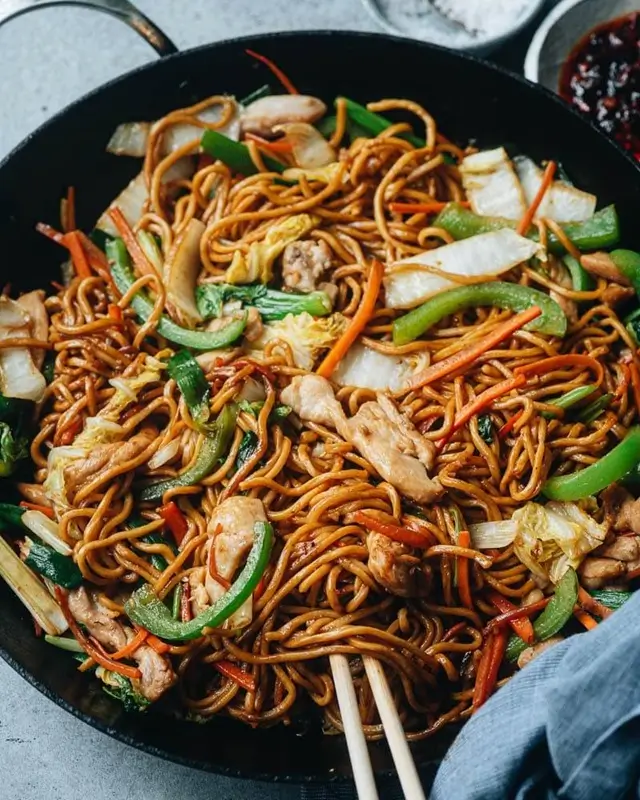
One of the best things about this recipe is that most of these ingredients are pantry staples. Here’s the full rundown for 2 servings:
For the chicken:
- 2 medium chicken breasts (or thighs for juicier texture)
- Salt and pepper to taste
- 1 tbsp neutral oil (avocado or vegetable)
For the sticky garlic sauce:
- 6 cloves garlic, minced (don’t be shy — this is the star)
- 3 tbsp soy sauce (low sodium works great)
- 1 tbsp oyster sauce
- 1 tbsp honey or brown sugar
- 1 tsp sesame oil
- 1 tsp rice vinegar
- 1/2 tsp chili flakes (optional, for heat)
- 2 tbsp water
For the noodles:
- 200g noodles of choice (ramen, udon, spaghetti, or rice noodles)
- Scallions, sesame seeds, and chili crisp for topping
How to Make Sticky Garlic Chicken Noodles (Step-by-Step)
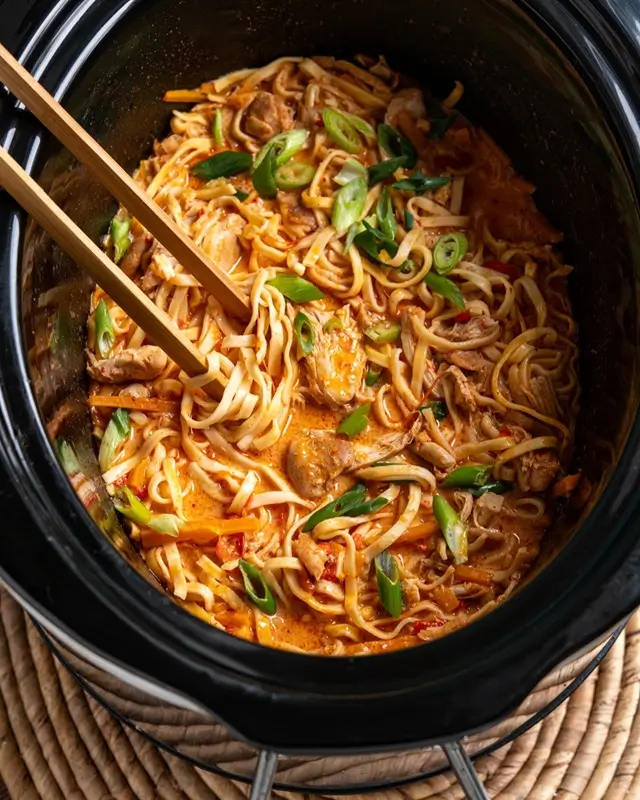
This is one of those recipes where the process matters almost as much as the ingredients. Follow these steps and you’ll end up with perfectly coated, glossy noodles every single time.
Step 1: Prepare and cook the chicken. Slice your chicken breasts thin — about 1cm strips — and season with salt and pepper. Heat oil in a large pan or wok over medium-high heat. Add the chicken and cook for 3–4 minutes per side until golden and cooked through. Set aside.
Step 2: Cook the noodles. Follow package instructions, but cook them about 1 minute less than directed. You’ll finish them in the sauce, and slightly undercooked noodles absorb it better without turning mushy. Drain and rinse under cold water to stop cooking.
Step 3: Make the sticky garlic sauce. In the same pan (no need to wash it — those chicken drippings add flavor), reduce heat to medium. Add a small drizzle of oil and toss in the minced garlic. Let it cook for about 60 seconds until fragrant and just starting to turn golden. Then add soy sauce, oyster sauce, honey, sesame oil, rice vinegar, and water. Stir and let it bubble for 2 minutes until slightly thickened.
Step 4: Bring it all together. Add the noodles to the sauce and toss vigorously with tongs so every strand gets coated. Add the chicken back in and fold gently to combine. The sauce should cling and glaze everything in that sticky, shiny way. If it seems too thick, add a splash of water. If too thin, let it reduce another minute.
Step 5: Plate and top. Divide into bowls, top with sliced scallions, sesame seeds, and a drizzle of chili crisp if you’re into heat. Serve immediately.
The Secret to Getting That Perfect Sticky Sauce
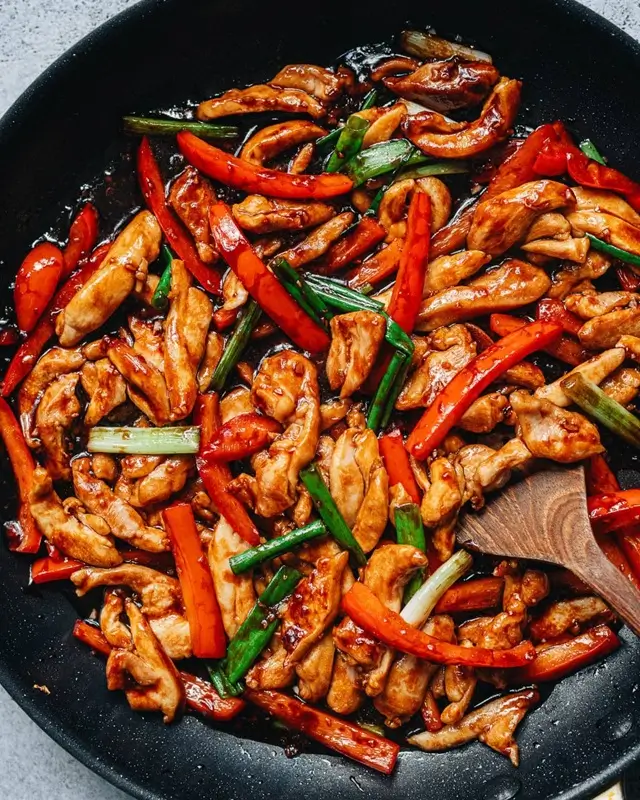
Here’s where most people go wrong: they rush the garlic or oversalt the sauce before tasting it. The sticky texture comes from the balance of honey and soy sauce reducing together — and that only happens properly when you let the sauce bubble and thicken before adding the noodles.
A few tips to nail it consistently:
- Fresh garlic only. Garlic powder is not a substitute here. Fresh minced garlic creates the aromatic base that makes the sauce genuinely addictive.
- Honey vs. brown sugar: Honey creates a silkier, slightly more complex sweetness. Brown sugar gives a deeper caramel note. Both work — just don’t skip the sweetness entirely or the sauce will be flat.
- Don’t skip the acid. The rice vinegar cuts through the richness and prevents the sauce from tasting one-dimensional. Even half a teaspoon makes a difference.
- Sesame oil goes in last. Adding it at the end (off or just before removing heat) preserves its toasted, nutty aroma. Cooking it high heat destroys the flavor.
If you enjoy garlic-forward sauces, you might also love this Parmesan Crusted Chicken with Creamy Garlic Sauce — another garlic-heavy recipe worth bookmarking.
Best Noodle Types for Sticky Garlic Chicken Noodles
Not all noodles behave the same way in this dish. Here’s a quick comparison so you can choose based on what you have or what texture you prefer:
| Noodle Type | Texture | Protein | Best For |
| Ramen noodles | Springy, chewy | Low | Classic Asian noodle feel |
| Udon | Thick, slippery | Low | Extra saucy, filling bowls |
| Rice noodles | Delicate, silky | Low | Gluten-free option |
| Spaghetti | Firm, pasta-like | Low-med | When nothing else is available |
| Egg noodles | Tender, slightly rich | Medium | Great sauce absorption |
| High-protein pasta | Firm | High | Gym-focused version |
For the highest protein bowl, consider using a chickpea or lentil pasta instead of traditional noodles. The flavor holds up well against the bold garlic sauce, and it can add an extra 8–10g of protein per serving.
Sticky Garlic Chicken Noodles for Meal Prep
This recipe is one of the best candidates for meal prep, and it holds up surprisingly well in the fridge. Cook a double or triple batch on Sunday and you’ll have fast, satisfying lunches or dinners ready for the week. For full meal prep strategies, check out this guide on meal prep dinner for the entire week.
A few things to keep in mind when prepping ahead:
- Store noodles and chicken in the same container — they’re fine together for up to 4 days.
- Add a splash of water when reheating (microwave or pan) to loosen the sauce, which thickens as it cools.
- Don’t add toppings until serving — scallions and sesame seeds lose their texture when stored.
- The sauce itself can be made in a large batch and refrigerated for up to 2 weeks, so you can use it in other dishes throughout the week.
Variations and Customizations
One of the underrated joys of this recipe is how easy it is to riff on. Here are some tried-and-true variations:
Make it spicier: Double the chili flakes, add a tablespoon of gochujang (Korean chili paste), or finish with chili crisp oil.
Make it creamier: Add a tablespoon of peanut butter or tahini to the sauce for a nutty, creamy depth. This version tastes completely different but equally good.
Add more vegetables: Bok choy, broccolini, snap peas, shredded carrots, or mushrooms all work beautifully. Toss them in the pan after the garlic and before adding the sauce.
Swap the protein: Shrimp cooks even faster and works wonderfully with this sauce. Tofu (firm, pressed) is a great plant-based swap. Thinly sliced beef or pork are both excellent options too.
Go low-carb: Skip the noodles entirely and serve the sticky garlic chicken over cauliflower rice or zucchini noodles for a lower-carb version that still hits all the flavor notes.
If you’re cooking for a crowd and want more quick dinner inspiration, this roundup of easy dinner recipes has 40+ ideas that fit all skill levels.
Nutrition Overview (Per Serving, Approximate)
| Nutrient | Amount |
| Calories | ~480–520 kcal |
| Protein | ~38–45g |
| Carbohydrates | ~45–55g |
| Fat | ~10–14g |
| Fiber | ~2–4g |
| Sodium | ~900–1100mg* |
*Use low-sodium soy sauce to reduce sodium significantly.
These numbers are based on chicken breast, standard soy sauce, and regular ramen noodles. Swapping to high-protein pasta and adding a soft-boiled egg can push protein above 50g.
Tips for Making This Even Faster on Busy Nights
The 30-minute timeline is already pretty quick, but on genuinely hectic nights, shaving off even 10 minutes matters. Here’s how:
- Use rotisserie chicken instead of cooking raw chicken. Simply shred it and toss it in the sauce at the end — dinner is ready in 15 minutes flat.
- Buy pre-minced garlic in a jar. Fresh is better, but jarred works fine here and saves chopping time.
- Boil the water while you prep. Start your pot of water before doing anything else — it’s almost always the bottleneck.
- Make a double batch of sauce on the weekend and refrigerate it in a mason jar. Then on busy nights, it’s a pantry pour-and-go situation.
Conclusion
Sticky garlic chicken noodles are everything a weeknight dinner should be: fast, satisfying, protein-packed, and genuinely delicious. Once you’ve made this recipe a couple of times, you’ll find yourself adjusting it to your taste — more garlic, more heat, a different noodle — and that’s exactly when cooking becomes effortless. It’s less about following a recipe and more about having a go-to formula in your back pocket.
The sticky sauce is the magic here, and now that you know how to make it, you’ll want to put it on everything. Make it tonight. You won’t regret it.
Try It and Tell Us
Made this recipe? We’d love to hear how it turned out — what noodles you used, if you added any extra protein, and what modifications you made. Drop a comment below or share a photo. Cooking should be fun, and your feedback helps other readers improve their version too.
FAQ
1. What makes sticky garlic chicken noodles high in protein? The primary protein source is chicken breast, which provides roughly 31g of protein per 100g cooked. Combined with eggs, high-protein pasta, or extra chicken, a single serving can reach 40–50g of protein, making it an excellent high-protein dinner option.
2. Can I make sticky garlic chicken noodles ahead of time? Yes — this recipe is excellent for meal prep. Store the cooked noodles and chicken together in an airtight container for up to 4 days. Add a splash of water when reheating to loosen the sauce, and hold off on adding toppings like scallions and sesame seeds until you’re ready to serve.
3. What noodles work best for sticky garlic chicken noodles? Ramen, udon, and egg noodles all work well. For the highest protein content, try chickpea or lentil-based pasta, which can add an additional 8–10g of protein per serving while holding up to the bold garlic sauce.
4. How do I get the sauce extra sticky for garlic chicken noodles? Let the sauce bubble and reduce in the pan for at least 2 minutes before adding noodles. The combination of honey and soy sauce thickens as it reduces — the key is not to rush this step. Undercooking the noodles slightly (1 minute less than package direction) also helps them absorb the sauce better without becoming mushy.
5. Can I use chicken thighs instead of chicken breast in this recipe? Absolutely. Chicken thighs are juicier and more forgiving if slightly overcooked, making them a great alternative for anyone who finds chicken breast drying out. The protein content is slightly lower than breast, but the flavor difference is significant — many people actually prefer thighs in stir-fry style dishes.