
Picture this: you’ve been planning date night all week, scrolling through restaurant options, checking reviews, and mentally calculating how much that fancy dinner will cost. Then reality hits—reservations are packed, parking is a nightmare, and honestly? You’re already exhausted just thinking about getting dressed up.
Sound familiar? The debate between date night in vs. going out has couples everywhere questioning whether restaurants are really worth the hassle when cooking at home actually wins in so many unexpected ways.
Here’s the thing most people don’t realize until they try it: a home-cooked date night can be more romantic, more personal, and infinitely more relaxed than any overpriced restaurant experience. You control the music, the lighting, the menu, and most importantly—the vibe. No rushing to make reservations, no awkward small talk with waiters, and definitely no fighting over the check.
In this guide, we’ll break down exactly when staying in trumps going out, plus practical tips to make your at-home date nights absolutely unforgettable.
Date Night In vs. Going Out: The Real Cost Breakdown
Let’s talk numbers, because your wallet definitely has opinions about this debate. The average couple spends between $75-150 on a typical restaurant date night—that’s food, drinks, tip, parking, and maybe a babysitter if you have kids. Over a year of monthly date nights?
You’re looking at $900-1,800 flying out of your bank account. Now compare that to cooking at home. Even if you splurge on premium ingredients like ribeye steaks, fresh seafood, or imported wine, you’re rarely spending more than $40-60 total.
That’s roughly half the cost, and you often end up with better quality ingredients than most mid-range restaurants serve. The math is simple: home cooking wins the budget battle every single time. But it’s not just about saving money—it’s about value.
That extra $50-100 per date could go toward a weekend getaway fund, a nicer anniversary gift, or simply reducing financial stress in your relationship. Couples who cook together report feeling more financially secure, which directly impacts relationship satisfaction. If you’re looking for cozy dinner recipes for couples, you’ll find options that feel luxurious without the restaurant markup.
Why Cooking Together Beats Being Served

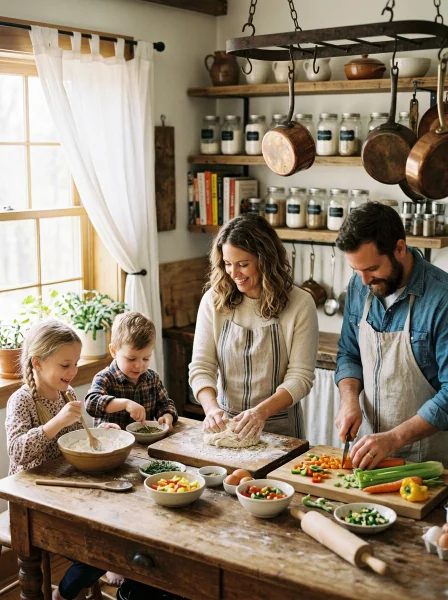
There’s something weirdly intimate about chopping vegetables side by side while music plays in the background. Cooking together creates what relationship experts call “synchronized activities”—tasks that require coordination, communication, and teamwork. These shared experiences release oxytocin, the bonding hormone, which strengthens emotional connection far more than sitting across from each other at a restaurant table.
Think about it: at a restaurant, you’re essentially two people being served food in parallel. At home, you’re building something together. You’re tasting sauces, adjusting seasonings, maybe playfully arguing about how much garlic is too much garlic (spoiler: there’s no such thing).
These tiny moments of collaboration create memories that outlast any Yelp-rated dining experience. Plus, cooking together removes the performance pressure of going out. You can laugh when the sauce burns slightly, dance badly while waiting for pasta to boil, and actually relax into each other’s company without worrying about disturbing other diners or impressing anyone.
When Date Night In vs. Going Out Actually Matters
Okay, let’s be fair—going out definitely has its place. Special occasions like anniversaries, promotions, or milestone birthdays sometimes deserve the restaurant treatment. There’s genuine value in being pampered, trying cuisines you can’t replicate at home, and escaping your usual environment.
The key is knowing when each option makes sense.
Home cooking wins when:
- You want quality time without distractions or time pressure
- Budget is a consideration (and it usually should be)
- You’re craving comfort and relaxation over novelty
- You want to experiment with new recipes together
- One or both partners are introverted and find restaurants draining
Going out makes sense when:
- You’re celebrating something significant
- You genuinely want cuisine you can’t make yourself
- Both partners need a complete break from home responsibilities
- You’re traveling or exploring a new city together
The sweet spot? Most couples benefit from a 3:1 ratio—three date nights in for every one night out. This balance keeps things special without destroying your budget or turning restaurants into boring routine.
Setting Up the Perfect At-Home Date Night Atmosphere

Here’s where home dates can actually surpass restaurants: ambiance control. You’re not stuck with whatever playlist the restaurant manager chose or fighting for a table away from the kitchen. Your space, your rules.
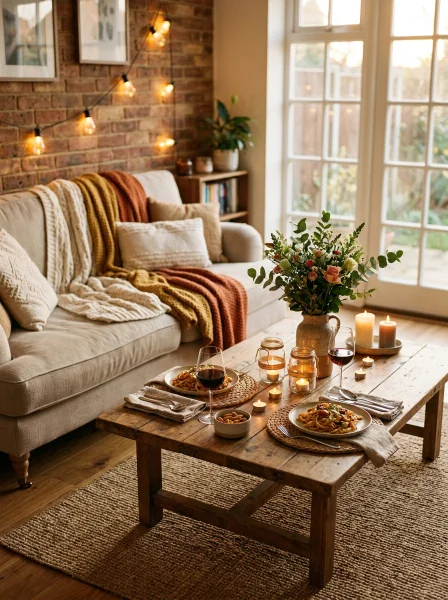
Start with lighting. Dim the overheads and use candles or string lights instead. This single change transforms any kitchen or dining room into something magical.
Restaurants spend thousands on lighting design for good reason—it affects mood dramatically. Next, curate your soundtrack. Create a dedicated date night playlist that both of you love.
Studies show that couples who share musical preferences report higher relationship satisfaction, so this is worth getting right. Keep it instrumental or low-key enough for conversation. Finally, eliminate distractions.
Phones go on silent, TV stays off, and if possible, clear any visual clutter from your dining space. The goal is making your partner feel like the only thing that matters—which, let’s be honest, most restaurants completely fail at delivering.
Easy Recipes That Feel Fancy (Without the Stress)
The biggest objection to date night cooking is usually “I’m not a good enough cook” or “it’s too much work.” Both concerns are totally valid—and totally solvable. The secret is choosing recipes that look impressive but are actually foolproof. Consider this simple formula: quality protein + simple preparation + one elevated side.
A perfectly seared salmon fillet takes 12 minutes and requires zero culinary training. Pair it with store-bought risotto and roasted asparagus, and you’ve got a restaurant-quality plate with maybe 30 minutes of actual effort. If you’re short on time, check out easy dinner recipes that deliver maximum impact with minimal prep.
For those juggling packed schedules, easy dinner recipes for busy moms offers time-saving strategies that work for any couple.
Some winning date night dishes that never fail:
- Garlic butter shrimp pasta (20 minutes, feels luxurious)
- Cast iron ribeye with compound butter (15 minutes active time)
- Homemade pizza with fancy toppings (fun to make together)
- One-pot chicken marsala (elegant but nearly impossible to mess up)
The Hidden Benefits of Staying In

Beyond the obvious perks, home date nights offer advantages that rarely get discussed. First: dietary control. If you’re watching calories, avoiding allergens, or following specific nutrition plans, home cooking removes all the guesswork and restaurant portion sizes that derail healthy eating.
Second: no time pressure. Restaurant meals come with implicit timelines—ordering windows, table turn expectations, closing times. At home, your appetizer can stretch into a two-hour conversation if that’s where the night takes you.
There’s no waiter hovering, no bill being dropped as a hint. Third: comfort equals connection. You can eat in pajamas, curl up on the couch afterward, and let the evening evolve naturally.
This relaxed environment often leads to deeper conversations than the performative setting of public dining. For couples who want consistent home-cooked dinners without daily planning stress, meal prep dinner for the entire week offers strategies that free up mental energy for more spontaneous date nights.
Making It Special: Small Touches That Matter
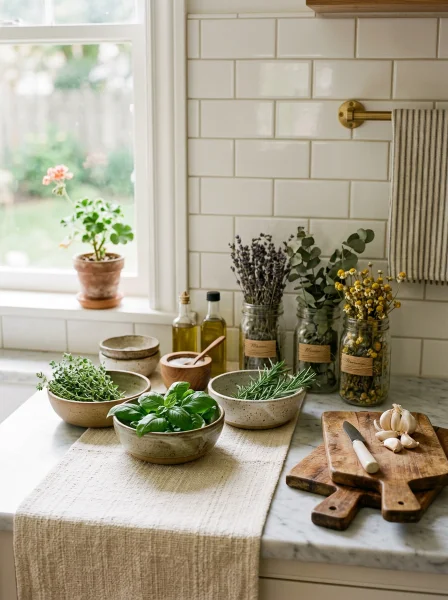
The difference between “eating dinner at home” and “date night in” comes down to intentional details. These don’t have to be expensive or complicated—just thoughtful. Use actual dishes, not paper plates.
Set the table properly, even if “properly” just means cloth napkins and matching glasses. Pour wine into actual wine glasses instead of mugs. These small upgrades signal that this meal is different, that your partner is worth the extra effort.
Consider adding one surprise element each time. Maybe it’s a new dessert recipe, a bottle of wine from a region you’ve never tried, or a handwritten note tucked under their plate. Surprise activates dopamine, keeping long-term relationships exciting.
Don’t forget the after-dinner experience. Have a movie queued up, a board game ready, or simply a comfortable spot for conversation. The meal is just the beginning—what follows is equally important.
Overcoming Common Objections to Date Night In

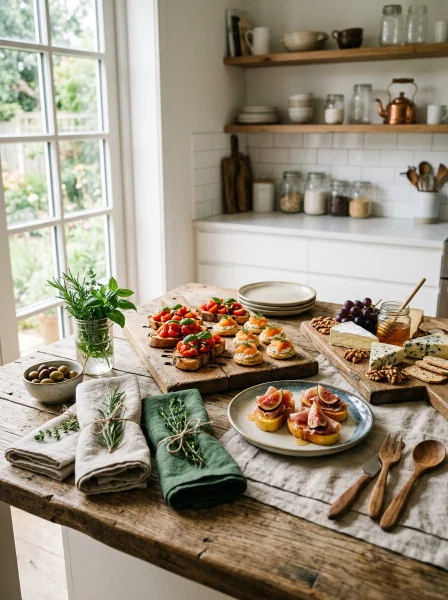
“But cooking is stressful, not romantic!” This usually means you’re choosing overly ambitious recipes. Scale back. A cheese board with good wine requires zero cooking and creates excellent date vibes.
“Our kitchen is too small/messy.” Clean before your partner arrives, or clean together as foreplay (seriously, couples report that sharing chores increases attraction). Small kitchens actually force you to work closer together—feature, not bug. “We’ll just end up watching TV.” Set intentions before you start.
Agree that screens stay off until a specific time, or designate certain date nights as conversation-only. Boundaries create focus. “It doesn’t feel special enough.” That’s entirely within your control.
Special is created through intention and effort, not location. A thoughtfully planned home dinner beats a distracted restaurant meal every time. For budget-conscious couples—including younger folks navigating finances—simple dinner recipes for college students proves that romantic meals don’t require fancy ingredients or equipment.
Frequently Asked Questions
Is date night in vs. going out really that different for relationships?
Research consistently shows that shared activities like cooking together strengthen relationships more than passive experiences like dining out. Home date nights encourage teamwork, communication, and vulnerability that restaurant settings rarely allow. The quality of connection often matters more than the setting.
How often should couples have date night in vs. going out?
Most relationship experts recommend weekly date nights, with home dates comprising about 75% of them. This balance maintains financial sustainability while keeping restaurant outings special. Adjust based on your budget, schedules, and personal preferences.
What if neither of us knows how to cook well?
Start simple. Cheese and charcuterie boards, pre-marinated proteins, and quality takeout dressed up on nice plates all count. Cooking skill develops over time—the goal is spending intentional time together, not achieving culinary perfection.
When does cooking at home actually win over restaurants?
Cooking at home actually wins whenever you prioritize connection over convenience, savings over spending, or relaxation over performance. It also wins when you want complete control over ingredients, portions, and atmosphere—advantages restaurants simply cannot offer.
How do we keep home date nights from feeling routine?
Rotate themes (Italian night, sushi-making, breakfast for dinner), try new recipes monthly, and occasionally rearrange your usual setup. Small changes—eating outside, different music genres, cooking challenges—keep familiar spaces feeling fresh.
Final Thoughts
The date night in vs. going out debate doesn’t have a universal winner—but for most couples most of the time, cooking at home actually wins. It’s cheaper, more intimate, more flexible, and often more memorable than restaurant alternatives.
The key is treating home dates with the same intentionality you’d bring to a night out: planning the menu, setting the scene, and being fully present with your partner. Start small. Pick one night this week, choose a simple recipe you both like, light some candles, and see what happens.
You might discover that the best table in town was in your kitchen all along. Your relationship—and your bank account—will thank you for trying.