
Food-sec.com – Have you ever stared at your freezer, wondering if that container of soup from three months ago is still safe to eat? You’re not alone. The world of freezer cooking can feel overwhelming when you don’t know the difference between flash freezing and blanching, or when you can’t remember how long those chicken breasts have been sitting in the back of your freezer.
Understanding the freezer dinner beginner’s glossary is your first step toward becoming a confident meal prepper who wastes less food and saves more time. Whether you’re a busy parent trying to get dinner on the table faster, or a college student looking to stretch your grocery budget, knowing the right terms, timelines, and temperature rules will transform your kitchen game. This guide breaks down everything you need to know about freezer cooking terminology, proper storage times, and the science behind keeping your meals safe and delicious.
Essential Freezer Dinner Terms Every Beginner Must Know
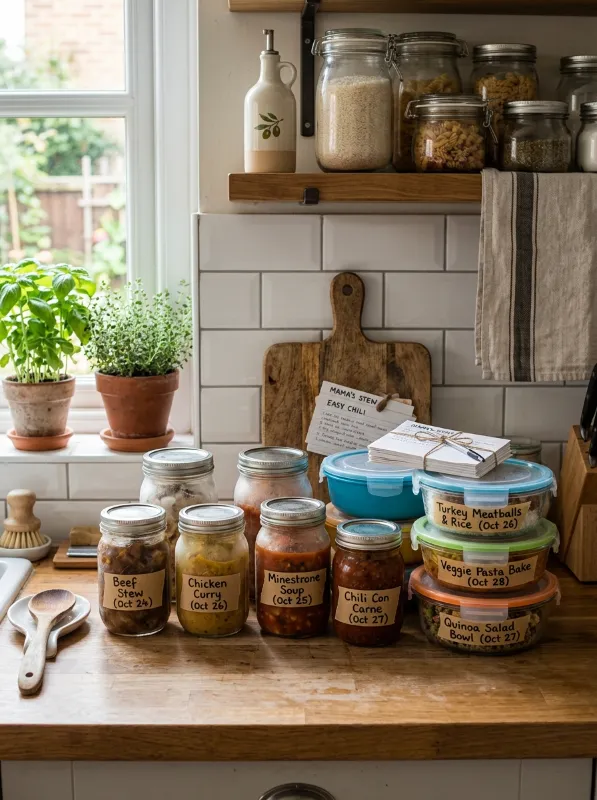
Before you start your freezer cooking journey, let’s build your vocabulary. These terms will pop up in recipes and guides everywhere, and knowing them makes the whole process less intimidating. Batch cooking refers to preparing large quantities of a single recipe at once, then portioning it out for future meals.
This technique is the backbone of How to Meal Prep Dinner for the Entire Week (Step-by-Step Guide) because it maximizes your time in the kitchen. Flash freezing means spreading individual food items on a baking sheet and freezing them quickly before transferring to containers. This prevents pieces from clumping together—perfect for meatballs, cookie dough, or berries.
Blanching involves briefly boiling vegetables, then immediately plunging them into ice water. This process stops enzyme activity that causes loss of flavor, color, and texture during freezing. Freezer burn happens when food is exposed to air in the freezer, causing dry, grayish-brown spots.
It’s not dangerous, but it ruins taste and texture.
Temperature Rules for Safe Freezer Dinner Storage
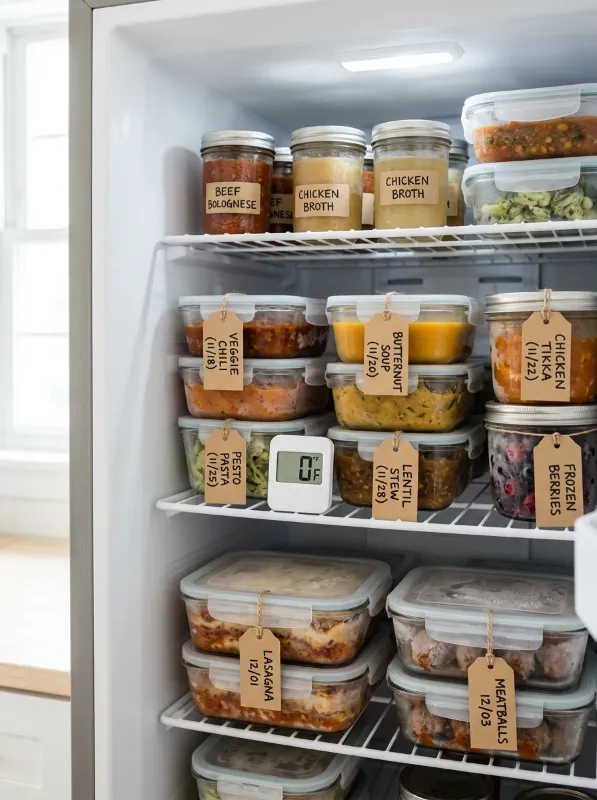
Temperature isn’t just a number—it’s the difference between a delicious meal and a trip to the doctor. Your freezer should maintain a consistent temperature of 0°F (-18°C) or below. At this temperature, bacteria become dormant, though they’re not killed.
Here’s what many beginners don’t realize: the “danger zone” for food sits between 40°F and 140°F (4°C to 60°C). Bacteria multiply rapidly in this range, which is why cooling food properly before freezing matters so much. Never put hot food directly in the freezer—it raises the overall temperature and puts other stored foods at risk.
When thawing frozen dinners, you have three safe options:
- Refrigerator thawing: Slowest but safest, taking 24-48 hours for larger items
- Cold water thawing: Submerge sealed food in cold water, changing it every 30 minutes
- Microwave thawing: Quick but requires immediate cooking afterward
Never thaw food on the counter at room temperature. This method invites bacterial growth and defeats the purpose of safe freezer storage.
Freezer Dinner Timelines: How Long Does Everything Last?
One of the most confusing aspects of freezer cooking is knowing how long things actually stay good. While technically food frozen at 0°F stays safe indefinitely, quality degrades over time. Here’s your practical timeline guide:
| Food Type | Optimal Freezer Time |
|---|---|
| Cooked soups and stews | 2-3 months |
| Cooked casseroles | 2-3 months |
| Raw ground meat | 3-4 months |
| Raw chicken pieces | 9 months |
| Cooked pasta dishes | 1-2 months |
| Bread and baked goods | 3 months |
| Cooked rice | 1 month |
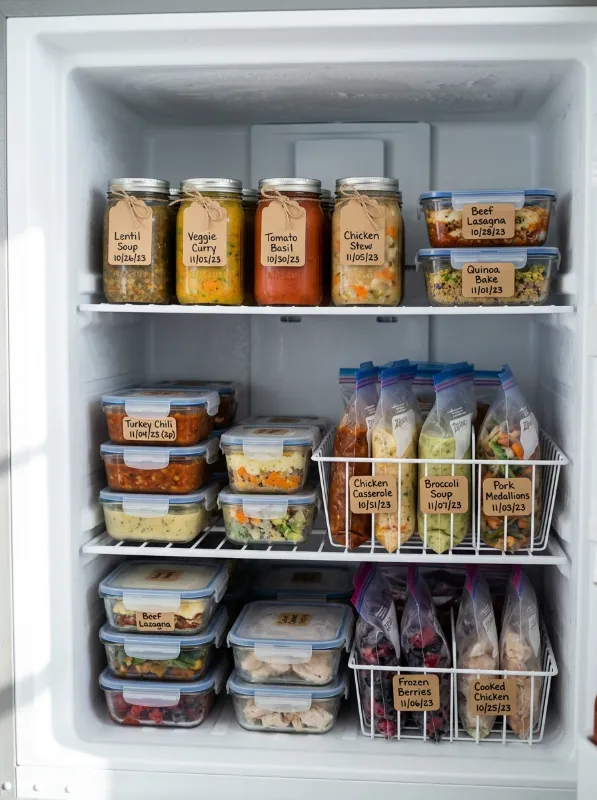
Label everything with the date you froze it. Seriously—your future self will thank you. Even the most organized person forgets what they froze and when.
A simple piece of masking tape and a marker solves this problem instantly.
Packaging Techniques That Protect Your Freezer Meals
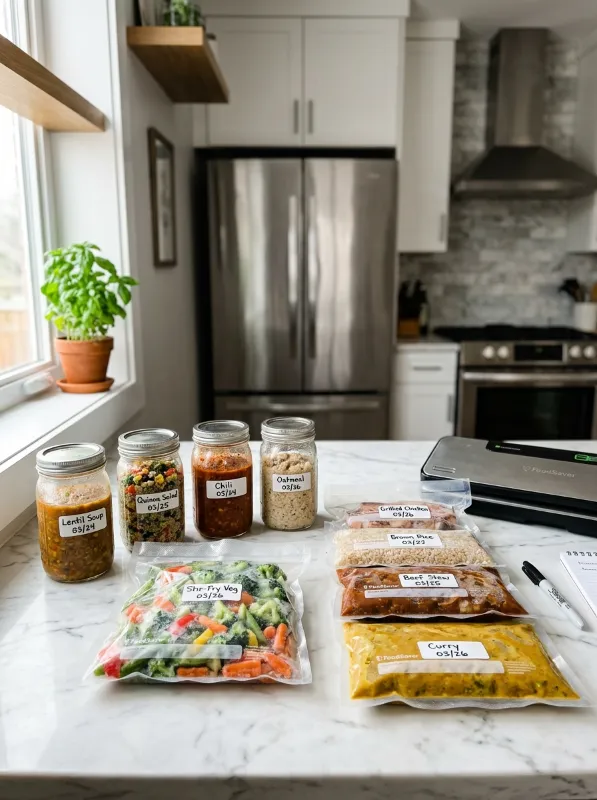
The way you package food determines whether it survives the freezer beautifully or emerges as an unappetizing mess. Proper packaging prevents freezer burn and maintains quality. Remove as much air as possible.
Air is the enemy. Whether you’re using zip-lock bags, vacuum sealers, or containers, minimize air exposure. For bags, squeeze out air before sealing.
For containers, use the smallest size that fits your portion and add a layer of plastic wrap directly on the food’s surface.
Consider these packaging options for different meals:
- Vacuum-sealed bags: Best for long-term storage and preventing freezer burn
- Heavy-duty freezer bags: Great for soups, sauces, and marinated proteins
- Rigid containers: Ideal for casseroles and dishes with sauce
- Aluminum foil + freezer wrap: Budget-friendly option for meats and baked goods
Many families who discover 25 Easy Dinner Recipes for Busy Moms (Ready in 30 Minutes or Less) eventually graduate to batch cooking and freezing meals. The right packaging makes that transition seamless.
Foods That Freeze Beautifully (And Some That Don’t)
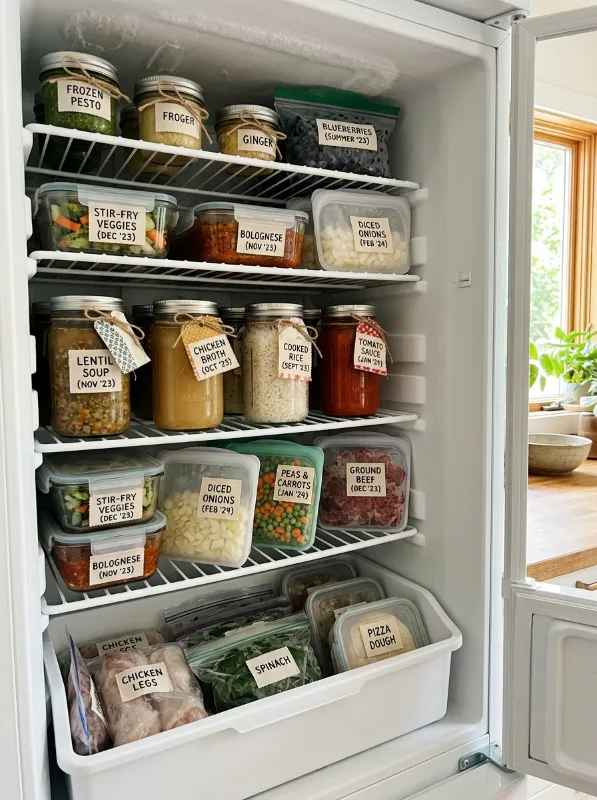
Not everything belongs in your freezer. Understanding which foods freeze well helps you plan smarter meals and avoid disappointment. Freezer superstars:
- Soups and chilis (without cream or potatoes)
- Cooked grains like rice and quinoa
- Meatballs and meatloaf
- Marinated raw proteins
- Tomato-based sauces
- Burritos and wraps
Foods that don’t freeze well:
- Raw potatoes (turn grainy and discolored)
- Cream-based sauces (separate when thawed)
- Fried foods (lose crispiness)
- Eggs in shells (will crack and explode)
- Fresh vegetables with high water content like lettuce and cucumbers
- Mayonnaise-based dishes (separate and become oily)
Here’s a pro tip from experienced meal preppers: if a recipe contains problematic ingredients, freeze the base and add them fresh when reheating. For example, freeze your soup without the cream, then stir it in during the final heating stage.
The Freezer Dinner Beginner’s Glossary: Advanced Terms
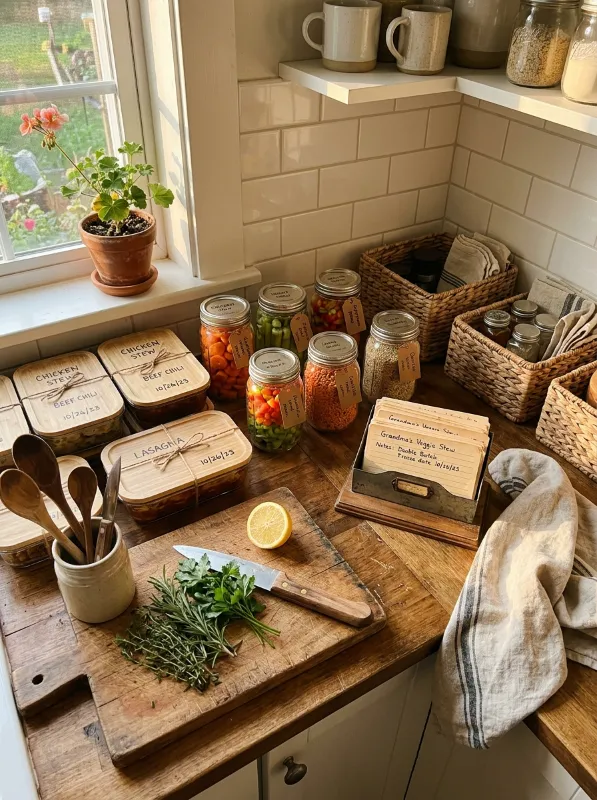
Ready to level up your freezer knowledge? These terms separate casual cooks from serious meal preppers. FIFO (First In, First Out): A rotation system ensuring you use older items before newer ones.
Place new packages behind older ones to maintain freshness across your freezer stash. Freezer cycling: The practice of intentionally emptying your freezer periodically to prevent forgotten items from accumulating and losing quality. Portion blocking: Freezing soups and sauces in specific portion sizes (like individual servings) rather than large batches.
This technique speeds up thawing and prevents waste. Power failure rule: A fully stocked freezer maintains safe temperatures for approximately 48 hours during a power outage if the door stays closed. A half-full freezer lasts about 24 hours.
College students especially benefit from mastering these concepts. Many 20 Simple Dinner Recipes for College Students That Cost Almost Nothing can be doubled and frozen for those weeks when studying takes priority over cooking.
Building Your First Freezer Meal Inventory
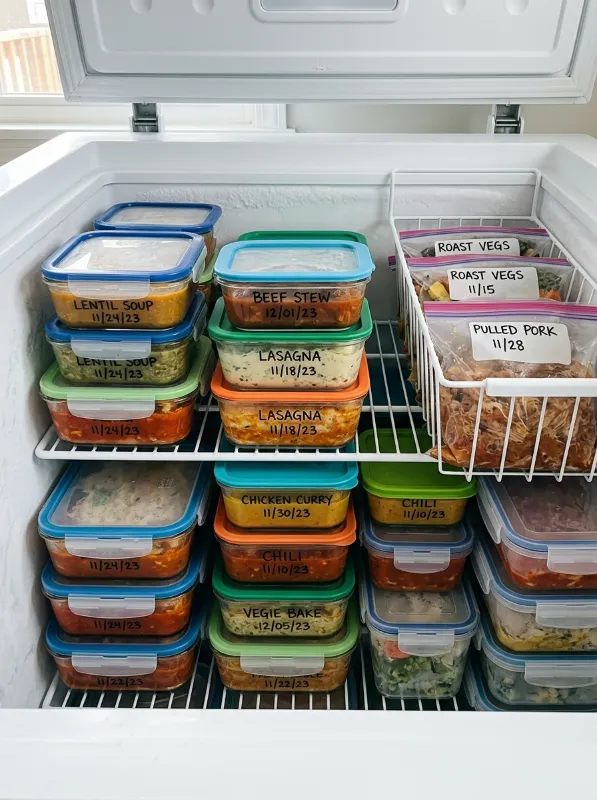
Starting a freezer stash feels daunting, but building gradually makes it manageable. Begin with what I call the “cook once, eat twice” method: whenever you make dinner, double the recipe and freeze the extra portion. Your starter inventory should include:
- 2-3 different soups or stews
- 1-2 casseroles or baked pasta dishes
- Pre-portioned proteins (marinated or plain)
- A batch of cooked grains
- Homemade sauce or two
This variety ensures you never get bored eating the same thing repeatedly. Couples looking for romantic meals might enjoy keeping 18 Cozy Dinner Recipes for Couples Perfect for Date Night at Home in their freezer rotation for stress-free date nights. Track what you have using a simple whiteboard on your freezer door or a notes app on your phone.
Update it every time you add or remove something. This prevents the dreaded “mystery container” situation and helps you plan meals around what you already have.
Common Freezer Cooking Mistakes to Avoid
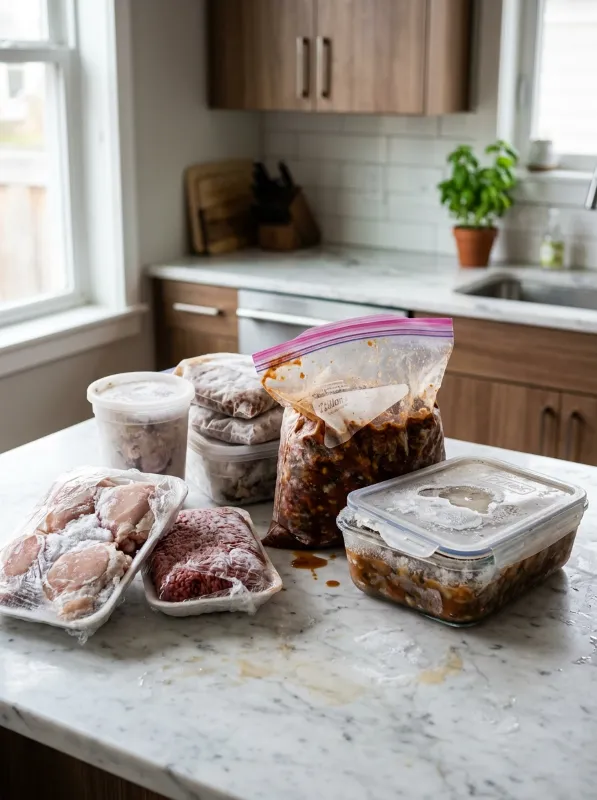
Even armed with the right terminology and temperature knowledge, beginners often stumble on a few common pitfalls. Learning from others’ mistakes saves you time, money, and frustration. Mistake #1: Overfilling containers.
Liquids expand when frozen. Leave at least an inch of headspace in containers with soups, sauces, or anything with significant liquid content. Otherwise, you’ll find cracked containers and frozen messes.
Mistake #2: Forgetting to label. “I’ll definitely remember what this is” has led to countless mystery meat dinners. Date and description—every single time.
Mistake #3: Freezing food that’s past its prime. Freezing doesn’t improve food quality—it only preserves current quality. That slightly questionable chicken won’t become safer in your freezer.
Mistake #4: Ignoring freezer organization. Group similar items together. Keep a “use first” section for older items.
Your future hungry self will appreciate being able to find things quickly. The foundation of all great easy dinner recipes lies in understanding proper food storage. Master these basics, and your cooking confidence will skyrocket.
Frequently Asked Questions
What temperature should my freezer be set to for storing freezer dinners?
Your freezer should maintain 0°F (-18°C) or below for safe food storage. At this temperature, bacterial growth stops completely, keeping your freezer dinners safe indefinitely from a food safety standpoint. Use an appliance thermometer to verify your freezer maintains this temperature consistently.
How do I know if frozen food has gone bad?
Signs of spoiled frozen food include significant freezer burn covering most of the surface, off-putting odors when thawed, unusual colors, or slimy texture after thawing. While freezer burn itself isn’t dangerous, heavily affected food will taste terrible. When in doubt, throw it out.
Can I refreeze thawed food safely?
You can safely refreeze food that was thawed in the refrigerator, though quality may suffer. Food thawed using cold water or microwave methods should be cooked before refreezing. Never refreeze food that sat at room temperature for more than two hours.
What does the freezer dinner beginner’s glossary term “flash freeze” mean?
Flash freezing means spreading individual food items in a single layer on a baking sheet and freezing them uncovered until solid, usually 1-2 hours. This technique prevents items from sticking together, making it easy to grab just what you need later. It’s perfect for meatballs, cookie dough portions, and fresh berries.
How far in advance can I prepare freezer dinners using proper timelines and temperature rules?
Most freezer dinners maintain best quality for 2-3 months, though they remain safe much longer. Plan your freezer cooking around these timelines for optimal taste and texture. Soups and stews hold up well for the full 3 months, while dairy-based dishes should be consumed within 1-2 months.
Final Thoughts
Mastering the freezer dinner beginner’s glossary transforms you from someone who occasionally throws leftovers in the freezer to a strategic meal planner who always has delicious options ready. The terms, timelines, and temperature rules covered here give you the foundation for successful freezer cooking. Start small—freeze a double batch of your next soup or casserole.
Label it properly, store it at the right temperature, and experience the joy of pulling out a homemade meal on a busy weeknight. As your confidence grows, expand your freezer repertoire and experiment with batch cooking sessions. Your future self—the one who comes home exhausted with nothing planned for dinner—will be incredibly grateful for the effort you put in today.