
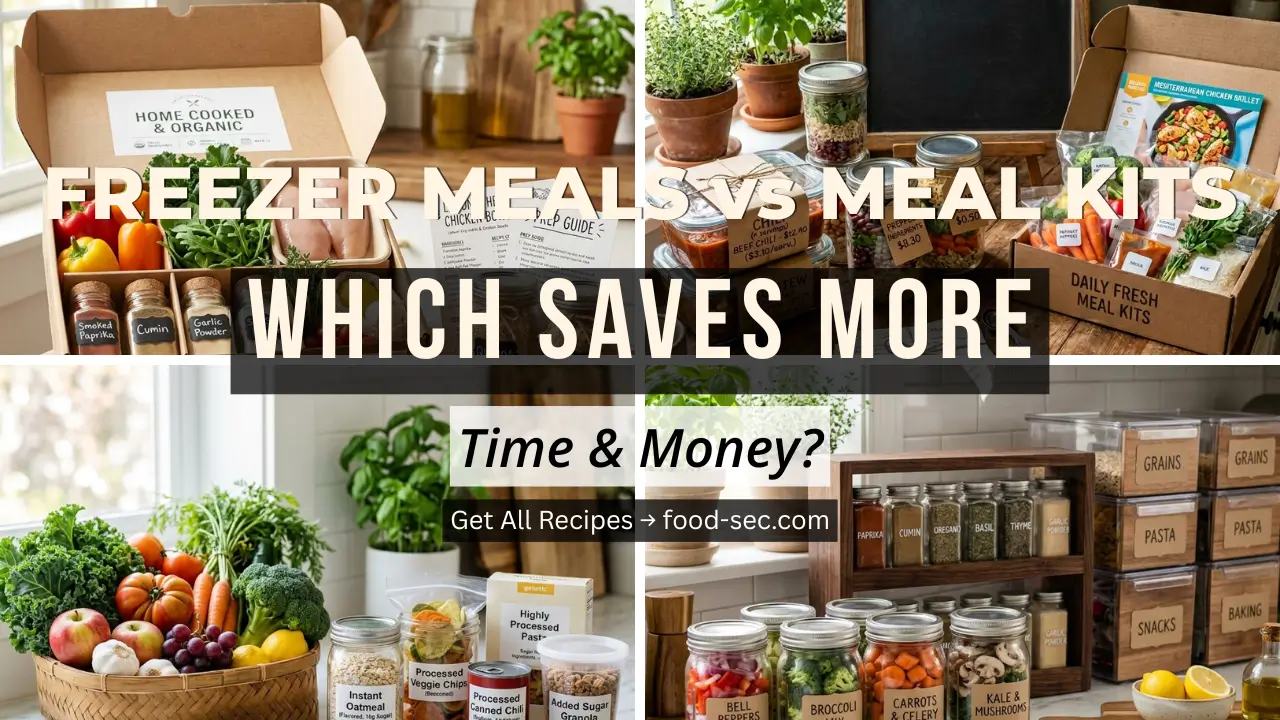
Food-sec.com – You’ve had one of those weeks. Work ran late, the kids need dinner in twenty minutes, and you’re standing in front of your fridge wondering why you bought that wilting bag of spinach. Sound familiar?
This is exactly when the freezer meals vs. meal kits debate becomes very real. Both promise to rescue your dinner routine, but which one actually delivers on saving you time and money?
The truth is, busy families and working professionals are constantly searching for smarter ways to eat well without breaking the bank or spending hours in the kitchen. Freezer meals and meal kits have exploded in popularity, each claiming to be the ultimate solution. But here’s the thing—they work very differently, and the “better” choice depends entirely on your lifestyle, budget, and cooking preferences.
In this comprehensive breakdown, you’ll discover the real costs behind both options, how much time each actually requires, and practical tips to decide which approach fits your life. Whether you’re a meal prep enthusiast or someone who dreads cooking entirely, this guide will give you clarity.
Understanding Freezer Meals: What They Really Are
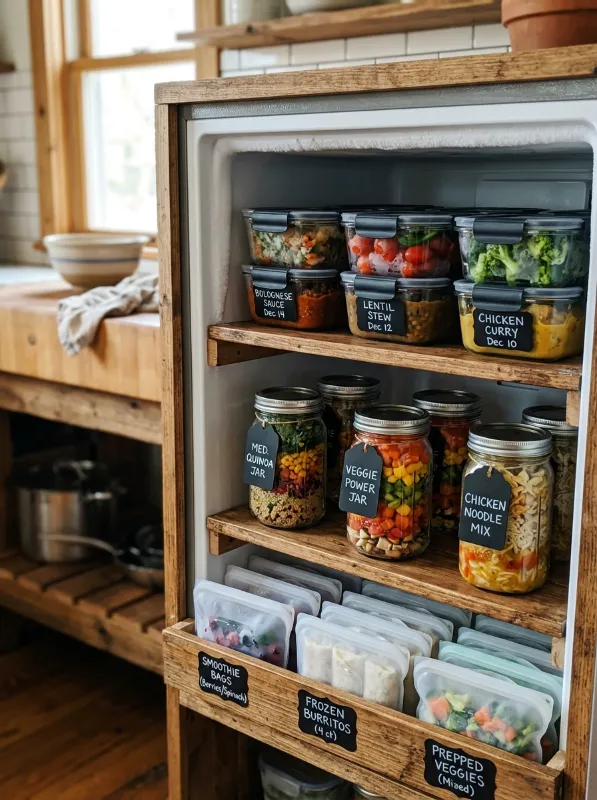
Freezer meals are pre-prepared dishes that you cook in bulk and store in your freezer for later use. They can be fully cooked meals ready to reheat, or partially prepped ingredients assembled and frozen before cooking. The concept is simple: invest a few hours on one day, and enjoy stress-free dinners for weeks.
The beauty of freezer meals lies in their flexibility. You control every ingredient, which means you can accommodate dietary restrictions, avoid allergens, and use budget-friendly items when they’re on sale. Many families dedicate one Sunday afternoon to batch cooking, creating anywhere from 10 to 30 meals at once.
Common freezer meal types include casseroles, soups, slow cooker dumps, marinated proteins, and breakfast burritos. If you’re looking for easy dinner recipes that can be made ahead, freezer meals offer incredible variety without requiring daily cooking decisions.
Meal Kits Explained: Convenience in a Box
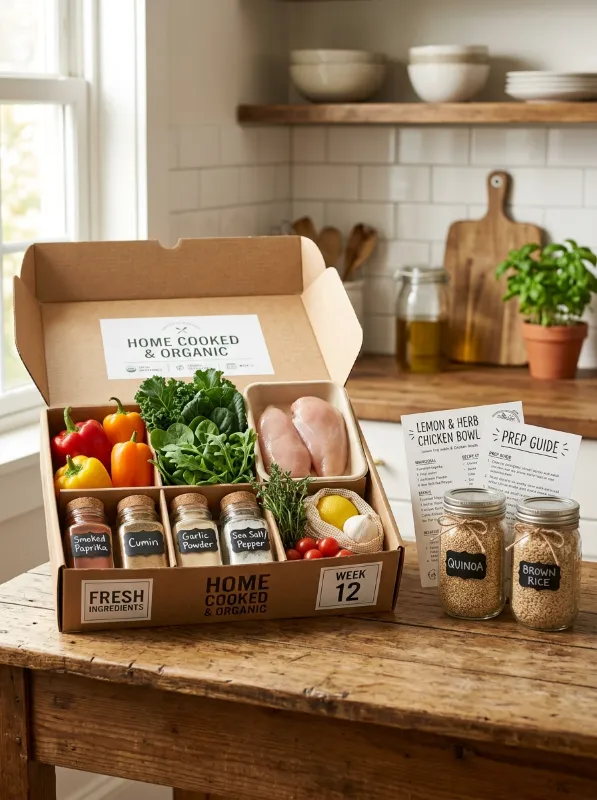
Meal kits are subscription-based services that deliver pre-portioned ingredients and step-by-step recipes directly to your door. Companies like HelloFresh, Blue Apron, and Home Chef have made this model wildly popular by eliminating grocery shopping and recipe planning from your to-do list. Each kit typically contains exactly what you need for a specific recipe—proteins, vegetables, sauces, and seasonings—all measured out and ready to cook.
The appeal is obvious: no food waste from buying full-size packages, no wandering grocery aisles, and no wondering what’s for dinner. However, meal kits do require actual cooking time. You’ll still spend 30 to 45 minutes preparing most meals, and you need to use the ingredients within a few days of delivery.
They’re designed for people who enjoy cooking but hate planning, not for those seeking minimal kitchen time.
Freezer Meals vs. Meal Kits: The Real Cost Comparison
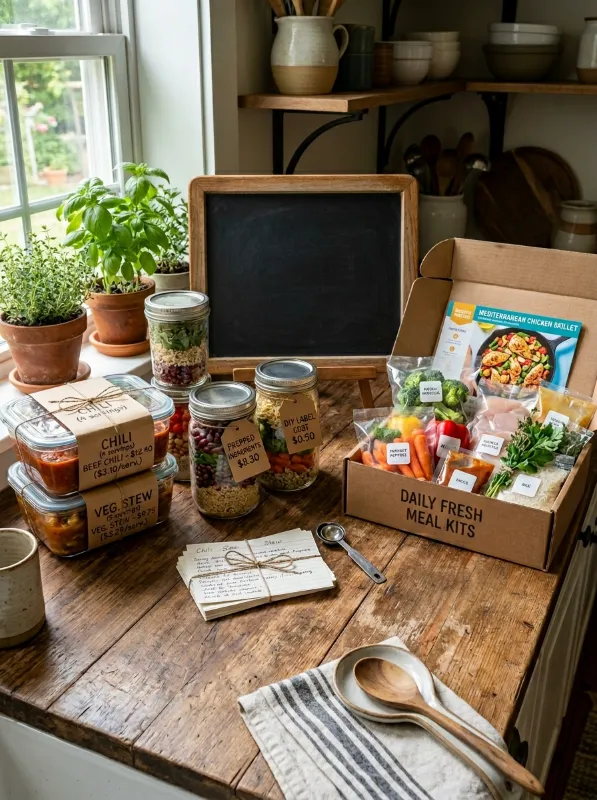
Let’s talk numbers, because this is where things get interesting. The cost difference between freezer meals and meal kits is substantial.
| Factor | Freezer Meals | Meal Kits |
|---|---|---|
| Cost per serving | $2-5 | $8-12 |
| Monthly cost (family of 4) | $200-400 | $500-800 |
| Hidden costs | Containers, freezer bags | Shipping fees, tips |
| Food waste | Minimal | Low to moderate |
Freezer meals win the budget battle hands down. When you buy ingredients in bulk and cook at home, your per-serving cost drops dramatically. Purchasing proteins on sale, using store-brand staples, and minimizing waste stretches your grocery budget significantly.
Meal kits, while convenient, come with premium pricing. You’re paying for the convenience of pre-portioned ingredients, recipe development, and home delivery. For 20 Simple Dinner Recipes for College Students That Cost Almost Nothing, freezer meals offer a far more economical path forward.
Time Investment: Which Option Actually Saves Hours?
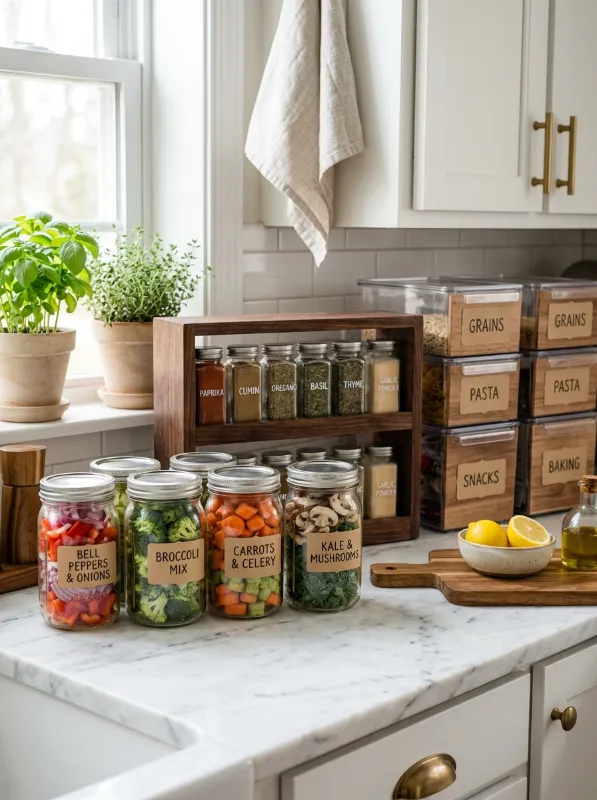
This is where the comparison gets nuanced. Both options save time compared to daily meal planning and cooking, but they distribute that time differently. Freezer meals require upfront investment.
A typical batch cooking session takes 3 to 5 hours, but produces meals for 2 to 4 weeks. Once those meals are in your freezer, weeknight dinners take 15 to 30 minutes—often just reheating time. The trade-off is dedicating one chunk of time to eliminate daily cooking stress.
Meal kits spread time across each meal. You’ll spend zero time shopping and planning, but each dinner still requires 30 to 45 minutes of active cooking. Over a week, that adds up to 3 to 5 hours of kitchen time—similar to freezer meal prep, but distributed daily.
If you hate daily cooking, freezer meals are your winner. If you enjoy the cooking process but despise planning, meal kits make more sense. For those interested in How to Meal Prep Dinner for the Entire Week (Step-by-Step Guide), freezer meals align perfectly with that batch-cooking mentality.
Quality and Nutrition: How Do They Stack Up?
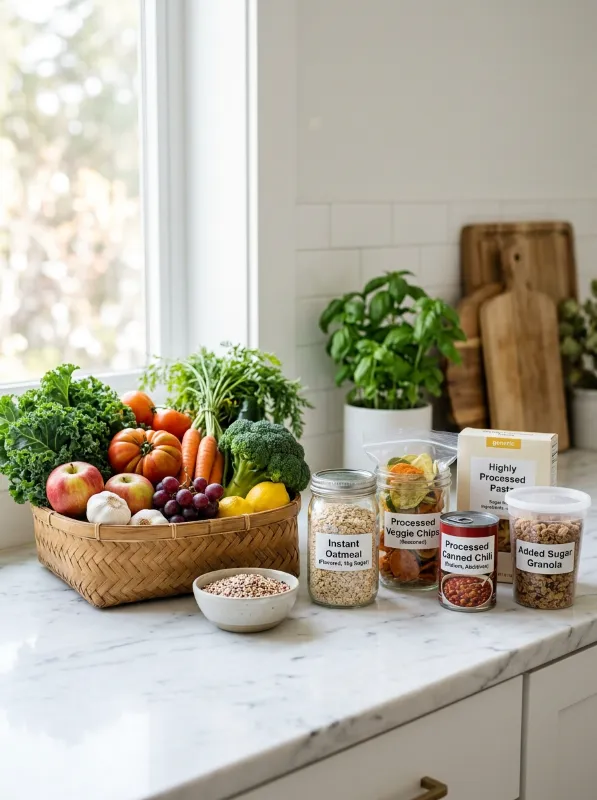
Both freezer meals and meal kits can be nutritious—or not—depending on what you choose. The difference lies in control and freshness. With freezer meals, you have complete control over ingredients.
You can reduce sodium, increase vegetables, use organic products, or accommodate any dietary requirement. However, some nutrients do diminish slightly during freezing and reheating, particularly in vegetables. Texture can also suffer with certain foods.
Meal kits deliver fresh ingredients weekly, which can mean better texture and nutrient retention. Most services now offer calorie-conscious, low-carb, vegetarian, and other specialized menu options. The downside?
You’re limited to what the company offers, and portion sizes are predetermined. For families wanting restaurant-style variety at home, meal kits introduce you to new cuisines and cooking techniques. For those prioritizing wholesome, customizable family meals, freezer cooking offers greater flexibility.
Either way, both beat ordering takeout nutritionally and financially.
Best Scenarios for Choosing Freezer Meals
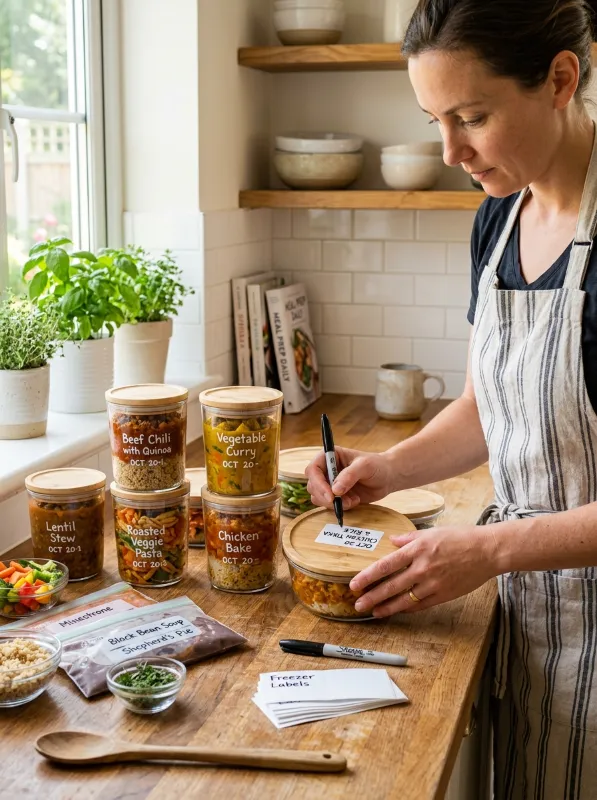
Freezer meals shine brightest in specific situations. Understanding when they’re the optimal choice helps you make smarter decisions for your household.
- Tight budgets: When money is scarce, freezer meals deliver significant savings
- Large families: Scaling up freezer recipes costs pennies compared to meal kit pricing
- New parents: Stock up before baby arrives for effortless postpartum meals
- Batch cooking enthusiasts: If you enjoy dedicated cooking sessions, this is your lane
- Dietary restrictions: Complete ingredient control accommodates any allergy or preference
Busy moms especially benefit from freezer meal strategies. Having a freezer stocked with ready-to-heat dinners eliminates the “what’s for dinner” panic that strikes at 5 PM. Check out these 25 Easy Dinner Recipes for Busy Moms (Ready in 30 Minutes or Less) for inspiration that freezes beautifully.
When Meal Kits Make More Sense
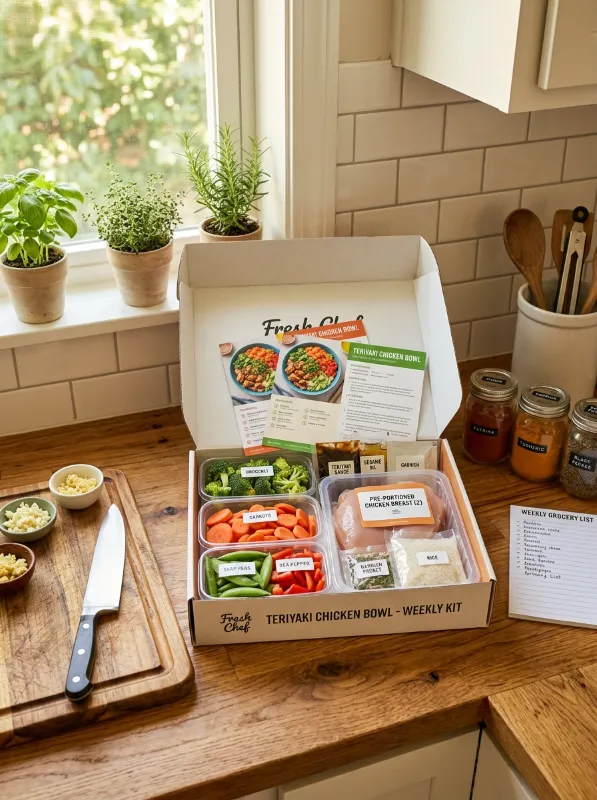
Meal kits aren’t for everyone, but they solve specific problems brilliantly. Consider them when these situations apply to you.
- Cooking skill development: Step-by-step instructions teach new techniques
- Couples seeking variety: Weekly rotating menus prevent dinner boredom
- Small households: Pre-portioned ingredients mean zero waste for one or two people
- Limited storage: No freezer space? No problem with fresh weekly deliveries
- Convenience priority: When time matters more than money, kits deliver
For couples who enjoy cooking together, meal kits can transform dinner into a shared experience. They’re perfect for those seeking 18 Cozy Dinner Recipes for Couples Perfect for Date Night at Home—the experience feels special without requiring recipe hunting or grocery runs.
Hybrid Approach: Getting the Best of Both Worlds
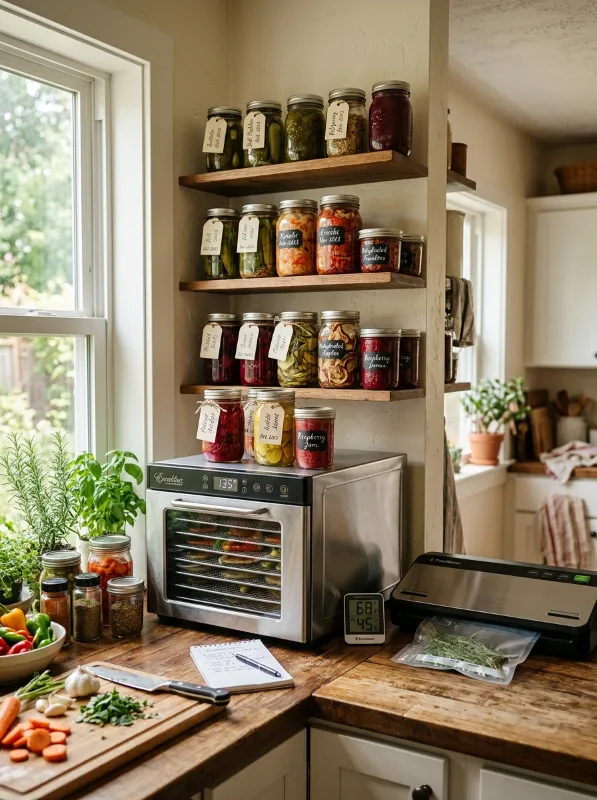
Here’s what smart meal planners actually do: they combine both strategies. A hybrid approach maximizes savings while maintaining variety and convenience. Consider using freezer meals as your backup system.
Stock your freezer with 10 to 15 go-to dinners for chaotic weeknights, sick days, or when cooking feels impossible. Then, use meal kits occasionally—perhaps one delivery per month—to inject variety and learn new recipes you can eventually make from scratch. Another hybrid strategy: cook meal kit recipes once, then adapt them into freezer-friendly versions.
Many meal kit recipes can be doubled and frozen, giving you the best of both worlds. You get the recipe development and fresh ingredients initially, then the convenience and savings of freezer meals afterward. This approach works particularly well for households with variable schedules.
Some weeks you have time to cook fresh; others, you barely make it home before bedtime. A stocked freezer provides that safety net without committing entirely to one method.
Frequently Asked Questions
Are freezer meals healthy compared to meal kits?
Freezer meals can be just as healthy as meal kits—it depends entirely on what you prepare. When you control the ingredients, you can make nutritious choices like lean proteins, whole grains, and plenty of vegetables. The key is choosing recipes wisely and avoiding processed freezer-to-oven options from grocery stores.
How long do freezer meals last compared to meal kit ingredients?
Properly stored freezer meals last 2 to 3 months while maintaining quality, though they remain safe indefinitely. Meal kit ingredients must be used within 5 to 7 days of delivery. This makes freezer meals far superior for long-term planning and reducing food waste.
Which saves more money: freezer meals vs. meal kits?
Freezer meals save significantly more money. At $2 to $5 per serving versus $8 to $12 for meal kits, a family of four can save $300 to $400 monthly by choosing freezer meals. The upfront time investment pays off substantially in budget savings.
Can I cancel meal kit subscriptions easily?
Most meal kit services allow cancellation online, but many make the process deliberately confusing. Some require phone calls or have specific cancellation windows. Always research the cancellation policy before subscribing, and consider starting with skip-friendly services if you’re uncertain.
What equipment do I need for freezer meal prep?
Essential equipment includes quality freezer bags or containers, a large cutting board, sharp knives, and adequate freezer space. Optional but helpful items include a vacuum sealer for longer storage, slow cooker for dump meals, and labels for organization. The initial investment is minimal compared to ongoing meal kit costs.
Final Thoughts
The freezer meals vs. meal kits debate doesn’t have a universal winner—your lifestyle determines the right answer. If budget matters most and you don’t mind dedicating occasional time to batch cooking, freezer meals deliver unbeatable value.
If convenience trumps cost and you enjoy fresh cooking experiences, meal kits provide genuine benefits worth their premium price. For most households, a thoughtful combination of both approaches creates the ideal system. Build your freezer stash for busy nights, sprinkle in meal kit deliveries for variety, and suddenly dinner stress becomes a thing of the past.
Start small—try one freezer cooking session or one meal kit delivery—and discover what genuinely works for your family’s rhythm. Whatever you choose, the goal remains the same: enjoying delicious, stress-free dinners without emptying your wallet or sacrificing your evenings. You’ve got this.