

You’ve planned the perfect date night at home, dimmed the lights, picked out a nice bottle of wine, and now you’re staring at a raw piece of beef wondering how professional chefs make it look so effortless. The truth is, cooking steak at home intimidates most beginners, but it really shouldn’t. With the right knowledge and a few simple techniques, you can create a restaurant-worthy steak dinner that will genuinely impress your partner.
This beginner’s guide to cooking steak at home for date night will walk you through everything from selecting the perfect cut to achieving that beautiful sear. Whether you’ve never touched a cast iron pan or you’ve had a few kitchen disasters in the past, this guide covers the essential steps, common mistakes to avoid, and insider tips that transform an ordinary evening into something memorable. By the end, you’ll feel confident enough to skip the expensive steakhouse reservation entirely.
Choosing the Right Steak Cut for Your Romantic Dinner
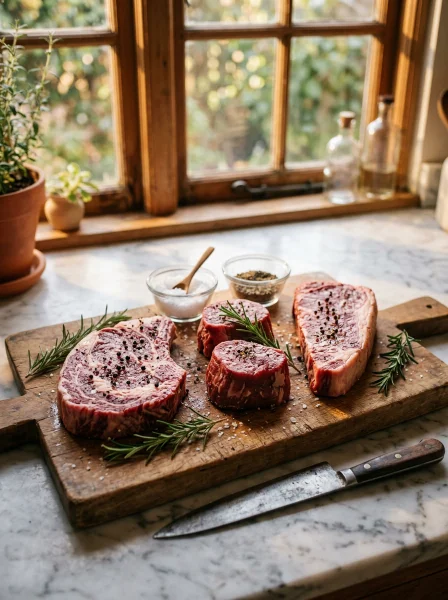
The foundation of a great steak dinner starts at the butcher counter or grocery store. Not all steaks are created equal, and understanding the differences will help you make a confident choice. For beginners, I recommend starting with cuts that are forgiving and deliver consistent results.
Ribeye is my personal favorite for date night because the marbling keeps it juicy even if you slightly overcook it. The fat running through the meat essentially bastes the steak as it cooks, resulting in incredible flavor. New York strip offers a firmer texture with a fat cap on one side, making it another excellent beginner-friendly option.
Filet mignon is the most tender cut, though it has less fat and requires more attention to avoid drying out. For couples who prefer leaner options, this works beautifully when cooked to medium-rare. If you’re looking for cozy dinner recipes for couples, steak paired with simple sides creates an intimate atmosphere without overwhelming complexity.
| Cut | Fat Content | Tenderness | Best For Beginners |
|---|---|---|---|
| Ribeye | High | Very Tender | Yes – very forgiving |
| NY Strip | Medium | Firm but tender | Yes – balanced option |
| Filet Mignon | Low | Most tender | Moderate – needs precision |
| T-Bone | Medium | Two textures | No – uneven cooking |
Essential Equipment You Actually Need
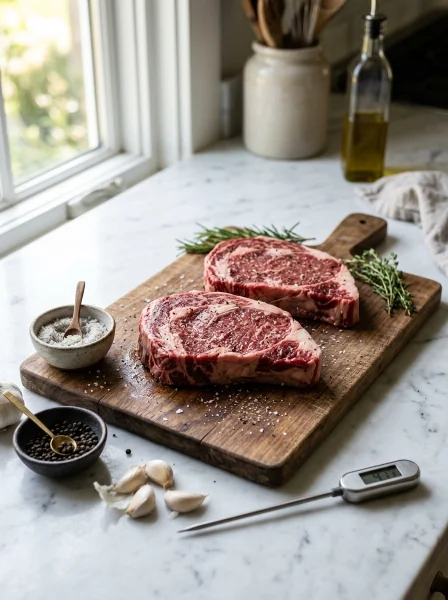
Before you start cooking, let’s talk about gear. You don’t need a professional kitchen setup, but a few key items make all the difference between success and struggle. A cast iron skillet is non-negotiable in my book.
It retains heat exceptionally well, creating that gorgeous crust that separates homemade steak from mediocre attempts. If you don’t own one, a heavy-bottomed stainless steel pan works too, though cast iron remains the gold standard. An instant-read meat thermometer removes all guesswork from the equation.
For around fifteen dollars, you get precise temperature readings that guarantee perfect doneness every single time. This small investment has saved countless date nights from overcooked disasters.
- Cast iron skillet or heavy stainless steel pan
- Instant-read meat thermometer
- Tongs (not a fork – you don’t want to pierce the meat)
- Paper towels for patting steaks dry
- High smoke-point oil like avocado or vegetable oil
The Beginner’s Guide to Cooking Steak: Preparation Steps
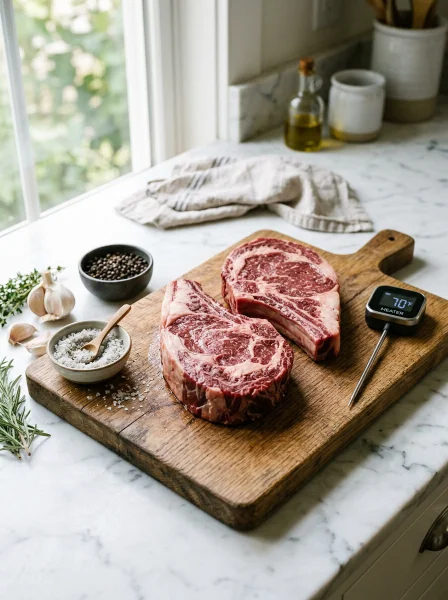
Proper preparation separates good steaks from great ones. This isn’t about fancy techniques but rather understanding the science behind what makes meat cook evenly and develop flavor. First, take your steaks out of the refrigerator at least thirty to forty-five minutes before cooking.
This allows the meat to reach closer to room temperature, promoting even cooking throughout. A cold steak thrown into a hot pan will sear beautifully on the outside while remaining raw in the center. Pat the steaks completely dry with paper towels.
Moisture is the enemy of a good sear because wet surfaces steam rather than brown. Once dry, season generously with kosher salt and freshly cracked black pepper. Some cooks salt hours ahead, which draws out moisture then reabsorbs it, but for beginners, seasoning right before cooking works perfectly fine.
Many people preparing easy dinner recipes overlook this preparation phase, but these simple steps genuinely transform results. The difference between a restaurant-quality sear and a gray, steamed exterior often comes down to these fundamentals.
Mastering the Perfect Sear and Temperature Control
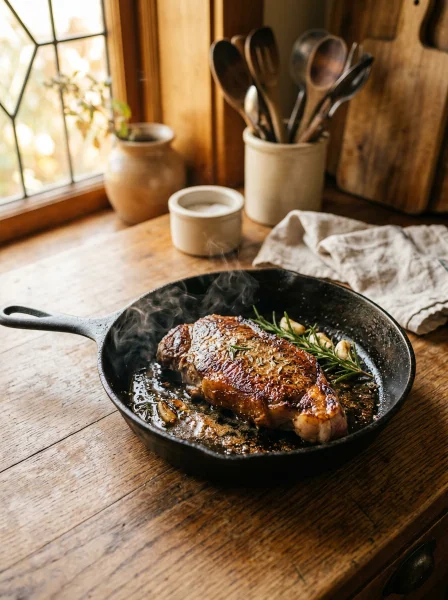
Here’s where the magic happens. Heat your cast iron skillet over high heat for at least five minutes before adding oil. The pan should be smoking hot.
Add a thin layer of high smoke-point oil, then carefully place your steaks away from you to prevent oil splatter. Resist the urge to move the steaks around. Let them sit undisturbed for three to four minutes to develop that caramelized crust.
You’ll know it’s time to flip when the steak releases easily from the pan. If it sticks, it needs more time. After flipping, cook for another two to three minutes for medium-rare, adjusting based on thickness.
Use your thermometer to check internal temperature:
- Rare: 120-125°F (49-52°C)
- Medium-Rare: 130-135°F (54-57°C)
- Medium: 135-145°F (57-63°C)
- Medium-Well: 145-155°F (63-68°C)
Remember that carryover cooking raises the temperature by about five degrees after removing from heat. Pull your steak slightly before reaching the target temperature.
Adding Restaurant-Quality Finishing Touches
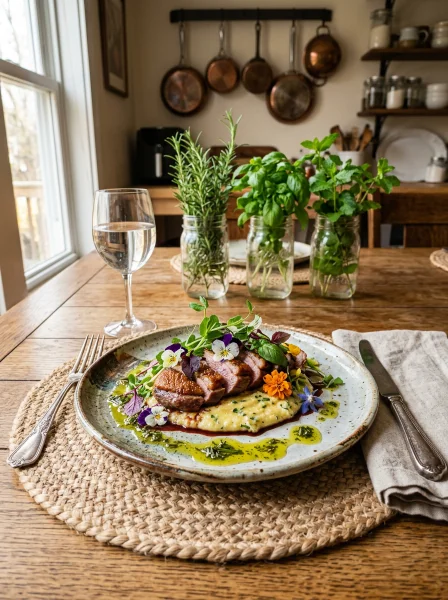
The final minute of cooking elevates your steak from good to exceptional. Add two tablespoons of butter, a couple of crushed garlic cloves, and fresh thyme or rosemary to the pan. Tilt the skillet and baste the steak continuously with the aromatic butter mixture.
This technique, called butter basting, adds richness and infuses subtle garlic-herb flavors into the crust. The sizzling sound and incredible aroma will fill your kitchen, creating an experience that rivals any steakhouse. Once removed from the pan, rest your steaks on a cutting board for at least five minutes.
Cutting too early releases all those delicious juices onto the plate instead of keeping them inside the meat. This patience is difficult when you’re hungry, but it’s absolutely worth the wait. While your steak rests, you have time to plate your sides.
If you’re someone who likes to plan ahead, consider checking out meal prep dinner for the entire week strategies so side dishes come together effortlessly on date night.
Simple Side Dishes That Complement Your Steak
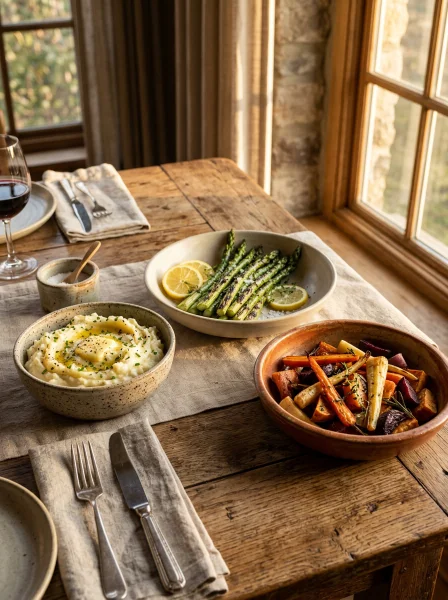
A perfectly cooked steak deserves sides that enhance without overshadowing. Keep things simple because your main event is already impressive. Roasted asparagus takes about twelve minutes in a hot oven with olive oil, salt, and pepper.
Garlic mashed potatoes offer comfort and richness. Boil cubed potatoes until tender, then mash with butter, cream, and roasted garlic. A simple Caesar salad with homemade dressing adds freshness and crunch that balances the richness of the meat.
For those who appreciate efficiency, these sides can be prepped earlier in the day. This approach aligns with what easy dinner recipes for busy moms teach us: preparation reduces stress and lets you focus on enjoying the moment.
Common Mistakes Beginners Make When Cooking Steak at Home
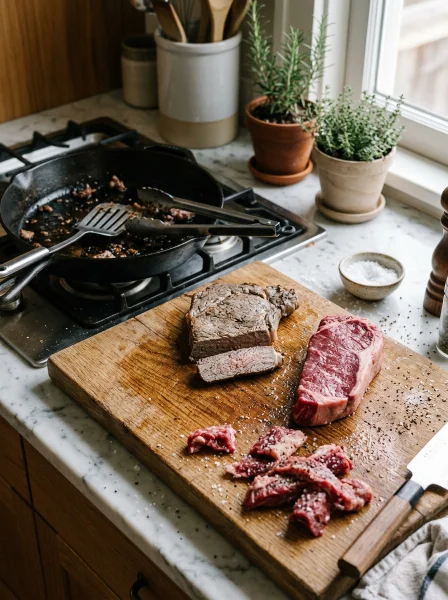
Learning what not to do saves you from disappointing results. The most frequent mistake I see is cooking steaks straight from the refrigerator. Cold meat contracts when hitting heat, leading to tough texture and uneven doneness.
Another common error involves overcrowding the pan. If steaks touch each other or crowd the surface, they steam instead of sear. Cook one or two at a time, maintaining space between them for proper heat circulation.
Using a fork to flip is surprisingly damaging. Those punctures release precious juices that should stay inside the meat. Always use tongs for flipping and moving your steaks.
- Skipping the rest period after cooking
- Not preheating the pan long enough
- Using olive oil (too low smoke point)
- Seasoning too lightly
- Flipping too frequently
Setting the Mood for Your At-Home Steak Date Night

Cooking great steak is only part of creating a memorable evening. The atmosphere transforms a meal into an experience. Set the table properly with cloth napkins, candles, and your nicest dinnerware.
Play background music at conversation-friendly volume. Pour wine before you start cooking so it can breathe. A bold red like Cabernet Sauvignon or Malbec pairs beautifully with rich steak flavors.
The tannins cut through the fat while complementing the meat’s savory notes. Consider dessert something simple like chocolate truffles or fresh berries with cream. After the effort of cooking steak, you’ll appreciate not tackling an elaborate finale.
Even simple dinner recipes for college students teach us that uncomplicated endings often satisfy most.
Frequently Asked Questions
What is the best steak cut for beginners to cook at home?
Ribeye is the most forgiving cut for beginners because its high fat content keeps it moist even with slight overcooking. The marbling essentially self-bastes during cooking, making it difficult to ruin while still delivering excellent flavor and tenderness.
How do I know when my steak is done without cutting into it?
An instant-read meat thermometer is the most reliable method for checking doneness. Insert it into the thickest part of the steak, avoiding fat. For medium-rare, pull at 125-130°F since carryover cooking adds approximately five degrees.
Why is my homemade steak gray instead of having a nice brown crust?
Gray steak results from excess moisture or insufficient pan heat. Always pat steaks completely dry before cooking and preheat your cast iron skillet for at least five minutes until smoking. Overcrowding the pan also causes steaming rather than searing.
Can I use olive oil for cooking steak at home on date night?
Regular olive oil has a smoke point too low for searing steak properly. Use avocado oil, vegetable oil, or refined versions with higher smoke points instead. This prevents burning and bitter flavors while achieving proper searing temperatures.
How long should steak rest after cooking according to this beginner’s guide?
Rest your steak for at least five minutes after removing from heat. This allows muscle fibers to relax and reabsorb juices that moved toward the center during cooking. Cutting too early releases these juices onto the plate rather than keeping them in each bite.
Final Thoughts
Mastering the beginner’s guide to cooking steak at home for date night doesn’t require culinary school training or professional equipment. It demands attention to simple fundamentals: proper meat selection, thorough preparation, patient searing, and adequate resting time. These basics, executed well, produce results that genuinely rival expensive restaurants.
Your first attempt might not achieve perfection, and that’s completely fine. Each steak teaches you something about heat control, timing, and your particular equipment. The confidence builds quickly when you understand the reasoning behind each step rather than blindly following instructions.
So skip the reservation this weekend. Pick up two quality ribeyes, gather your ingredients, and create an intimate dinner that shows real effort and care. Your partner will appreciate the gesture, and you’ll gain a valuable skill that impresses for years to come.
The best date nights often happen right in your own kitchen.