
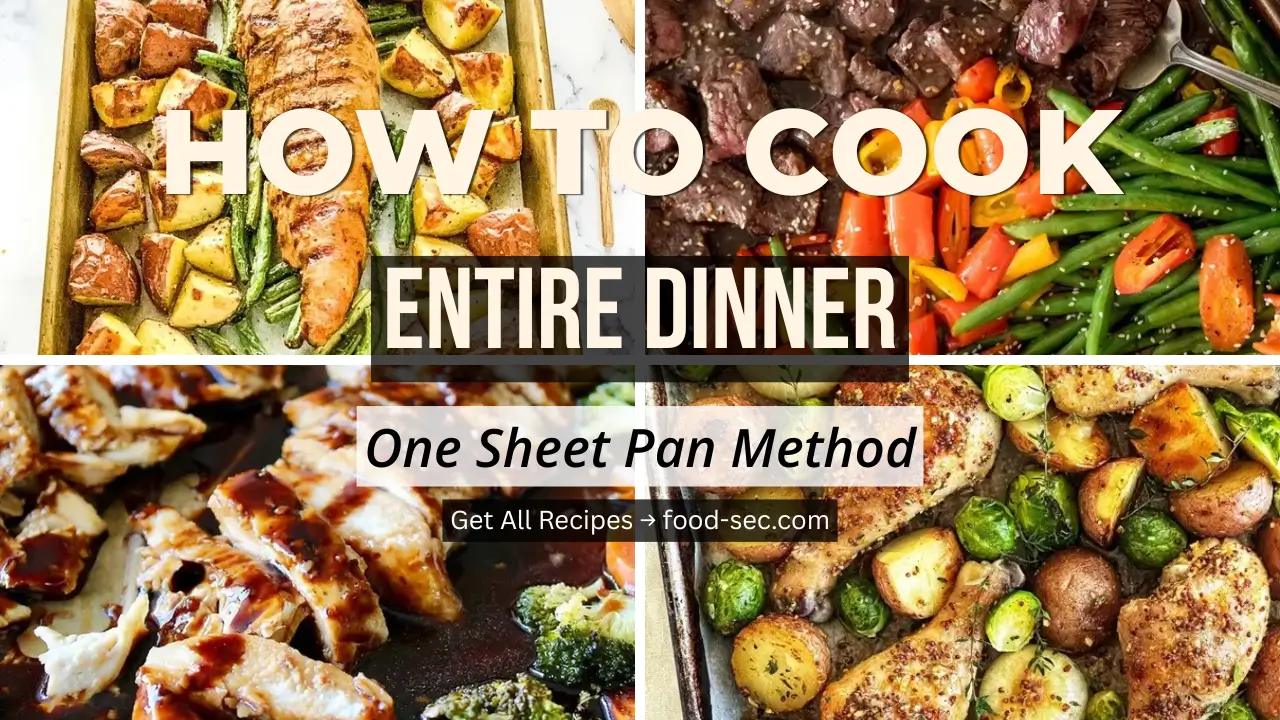
Food-sec.com – Let’s be honest — after a long day, the last thing you want to do is scrub four different pots while your dinner gets cold. You want something real, something satisfying, and ideally something that doesn’t make your kitchen look like it survived a small disaster.
That’s exactly what a sheet pan dinner is built for.
Learning how to cook an entire dinner on one sheet pan is one of the most genuinely useful cooking skills you can pick up. Protein, vegetables, and sometimes even a starchy side — all roasted together in one pan, at the same time, with one oven temp and one cleanup. Once you understand the logic behind it, you’ll realize it’s less of a recipe and more of a framework you can apply to almost anything in your fridge.
In this guide, we’re going to break down everything: how to choose the right pan, how to cut and arrange your ingredients so everything cooks evenly, which proteins and vegetables pair well, and how to time it all so nothing comes out mushy or underdone. By the end, you’ll have a method you can use on repeat — not just a single recipe.
What Is a Sheet Pan Dinner, Exactly?
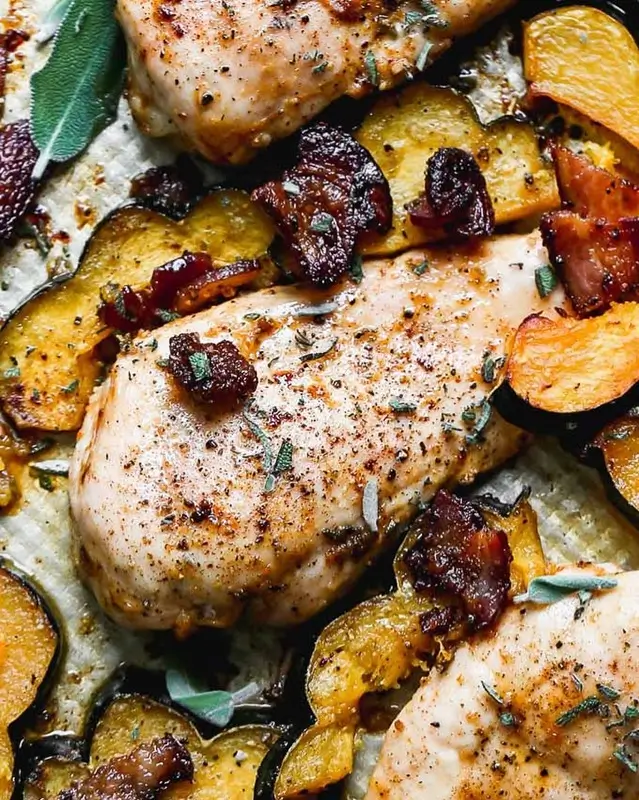
A sheet pan dinner is a complete meal — protein plus vegetables, and sometimes a grain or starch — cooked together on a single rimmed baking sheet in the oven. The goal is that everything finishes cooking at roughly the same time, with minimal prep and even less cleanup.
The concept is simple: high dry heat from the oven caramelizes the natural sugars in vegetables, creates a sear on proteins, and concentrates flavor in a way that stovetop steaming or boiling simply can’t. You get browned edges, crispy bits, and deeply savory flavor without standing over a stove.
Sheet pan cooking isn’t just a trend — it’s a method rooted in how heat actually works. Understanding that logic is what separates a mediocre attempt (everything steaming in its own moisture) from a genuinely great result.
Why This Method Actually Works (And When It Doesn’t)
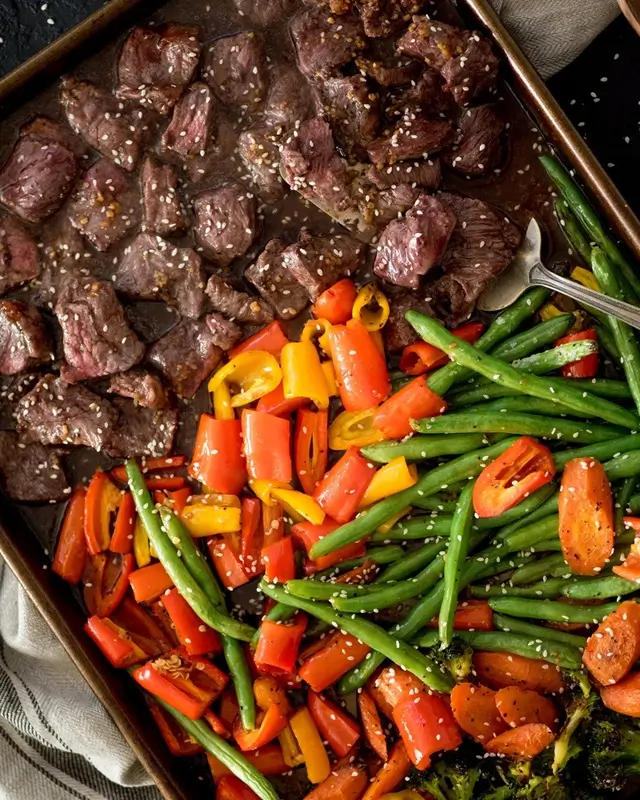
Before getting into the how, it helps to understand why sheet pan cooking delivers such good results.
The Maillard reaction is doing most of the work. When food makes direct contact with a hot, dry surface and gets exposed to circulating oven heat, surface moisture evaporates quickly and browning begins. This is the same chemical process behind the crust on a steak or the golden color on roasted potatoes. It creates flavor compounds that are genuinely different from boiled or steamed food.
Where people go wrong: overcrowding. If you pile too much onto one pan, the ingredients steam rather than roast. Moisture can’t escape. You end up with soft, pale vegetables instead of caramelized ones. This is the single most common sheet pan mistake, and it’s easy to fix — use two pans if needed, and give every piece room to breathe.
Sheet pan cooking works best for:
- Bone-in or boneless chicken thighs and breasts
- Sausages, shrimp, and salmon fillets
- Root vegetables (carrots, potatoes, sweet potatoes, beets)
- Brassicas (broccoli, cauliflower, Brussels sprouts)
- Bell peppers, zucchini, asparagus, and cherry tomatoes
It works less well for:
- Very delicate proteins (thin white fish fillets) unless added late
- Leafy greens (they burn quickly)
- Pasta or grains without modification
Choosing the Right Sheet Pan
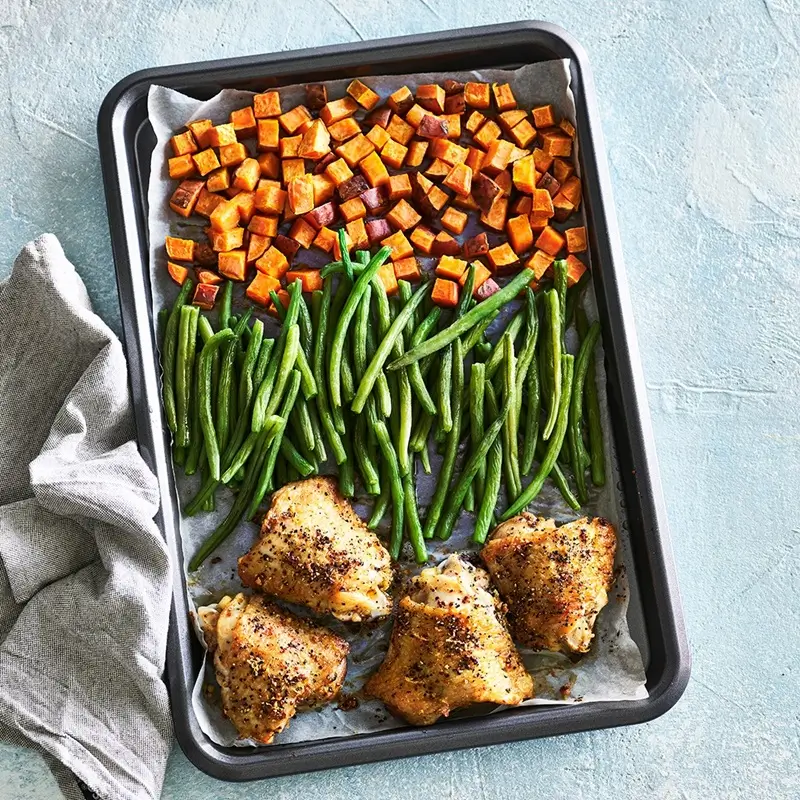
Not all baking sheets are equal, and this actually matters more than most people think.
The best option: a heavy-gauge rimmed half-sheet pan (18×13 inches). These are the standard in professional kitchens for a reason. They’re large enough to hold a full meal for 4 people, thick enough to distribute heat without warping, and the rim keeps fat and juices contained.
Avoid: thin, flimsy pans that warp at high heat. You’ll hear them buckle in the oven and the uneven surface will cause uneven cooking.
To line or not to line? For most sheet pan dinners, skip the parchment. Direct contact with the metal pan gives better browning. If you’re cooking something with a sugary marinade (teriyaki, honey glaze), a sheet of foil makes cleanup much easier and prevents burning. For extra crispy results — especially with potatoes — a completely bare, preheated pan works best.
How to Cook an Entire Dinner on One Sheet Pan: Step-by-Step
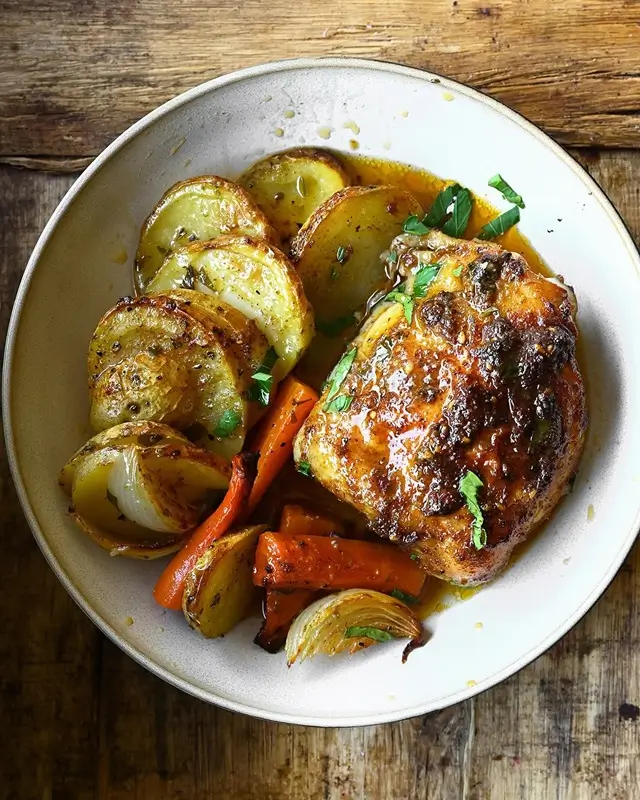
Here’s the core method, broken down into clear steps you can apply to almost any combination of ingredients.
Step 1: Choose Your Protein
Pick a protein with a forgiving cook time. Bone-in chicken thighs are practically designed for sheet pan cooking — they take 35–40 minutes at 425°F, which gives vegetables plenty of time to roast alongside them. Salmon fillets work too, but they cook faster (12–15 minutes), so you’ll add them partway through.
Practical timing reference:
| Protein | Oven Temp | Cook Time |
| Bone-in chicken thighs | 425°F (220°C) | 35–40 min |
| Boneless chicken breasts | 425°F (220°C) | 22–28 min |
| Salmon fillet | 400°F (200°C) | 12–15 min |
| Italian sausage | 400°F (200°C) | 25–30 min |
| Shrimp | 425°F (220°C) | 8–10 min |
Step 2: Pick Vegetables That Match the Timing
The most important variable in a sheet pan dinner is matching your vegetable cook time to your protein cook time. Dense vegetables like potatoes and carrots take 30–40 minutes to become tender. Quick-cooking vegetables like asparagus and cherry tomatoes take 10–15 minutes.
Rule of thumb:
- Long-roasting (30–40 min): potatoes, sweet potatoes, carrots, beets, cauliflower, broccoli
- Medium-roasting (20–25 min): zucchini, bell peppers, Brussels sprouts, green beans
- Quick-roasting (10–15 min): asparagus, cherry tomatoes, shrimp, snap peas
If your protein takes 35 minutes, start with your long-roasting vegetables. Add medium vegetables at the halfway mark. Add quick-cooking items in the last 10 minutes.
Step 3: Cut Everything to the Right Size
Size determines cook time. Cut dense vegetables (carrots, potatoes) smaller — about 3/4 inch cubes — so they finish at the same time as the protein. Cut quick-cooking vegetables larger so they don’t overcook before the protein is done.
This sounds fussy but it becomes intuitive quickly. The mental shortcut: if it’s dense and hard, cut it small. If it’s tender and soft, cut it large or leave it whole.
Step 4: Season with Intention
The simplest and most reliable formula: olive oil + salt + black pepper + one or two aromatics. Don’t overthink it. Garlic powder, smoked paprika, dried thyme, or Italian seasoning all work beautifully. Toss everything separately if you’re using different seasonings for the protein and vegetables, or use one cohesive spice mix for a unified flavor profile.
Coat everything evenly. Underseasoned sheet pan dinners taste flat because you’re relying entirely on the natural flavor of the ingredients — which is fine, but a little salt and fat goes a long way.
If you want something more involved, check out these colorful Mediterranean one-pan dinner ideas — they use simple pantry spices to create really vibrant results.
Step 5: Arrange the Pan Correctly
Spread everything in a single layer. Give each piece of food at least a little space — ideally half an inch between pieces. If the pan looks overcrowded, use a second pan.
Place proteins in the center of the pan and vegetables around the edges, since the center tends to get the most concentrated heat from above. If you have one type of vegetable that takes longer, give it more real estate and place it toward the outer edges where the pan conducts heat upward.
Step 6: Roast, Check, and Finish
Put the pan in a preheated oven — this matters. A cold oven start means the food begins steaming before it starts browning. Preheat to at least 400°F (205°C), and 425°F (220°C) is usually better.
Check at the halfway point. Flip or stir vegetables if the bottoms look very brown but the tops are still pale. Most proteins don’t need to be flipped.
Use a meat thermometer for chicken — you want an internal temperature of 165°F (74°C) at the thickest part. Don’t guess.
How to Add a Starch Without Dirtying Another Pot
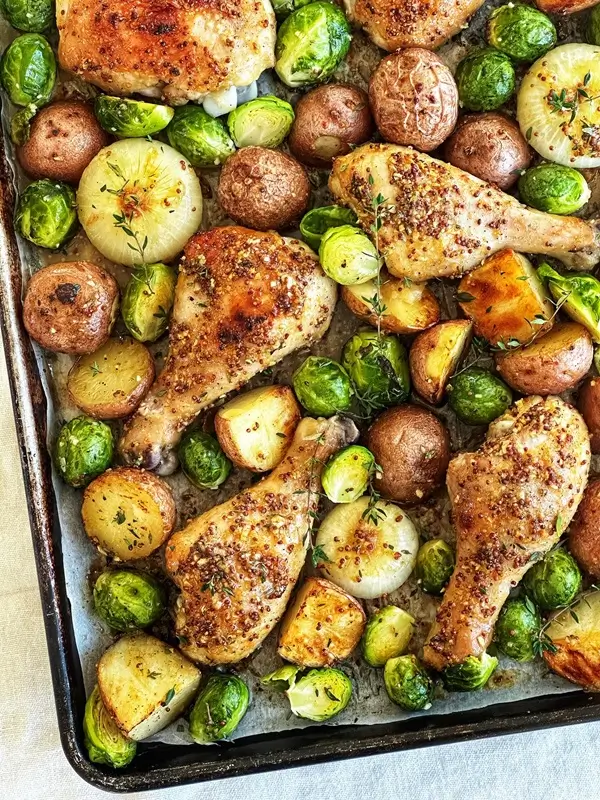
One of the most satisfying evolutions of the sheet pan dinner is adding a starch to the pan itself — no separate pot of pasta or pot of rice needed.
Potatoes are the obvious choice and they work perfectly. Cubed baby potatoes or fingerlings, tossed in olive oil and salt, roast beautifully at 425°F for 35–40 minutes.
Bread works surprisingly well. Thick slices of crusty bread placed on the outer edges of the pan absorb the drippings and fat from the protein as it cooks — essentially making a savory, pan-dripping crostini that’s absolutely worth trying at least once.
Tortellini is a surprisingly great sheet pan option. Fresh tortellini tossed with olive oil and spread on the pan will roast until the edges are crispy. For a complete dinner idea using this method, this garlic steak tortellini skillet is a great reference — same principle of one pan, minimal cleanup.
Best Flavor Combinations to Try First
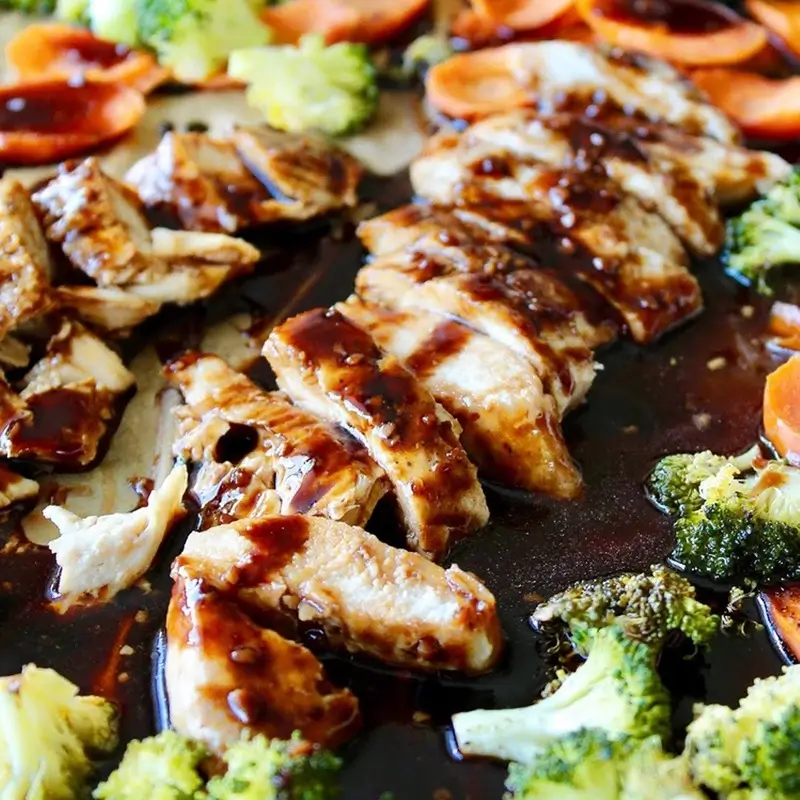
If you’re new to sheet pan cooking, starting with a reliable combination makes the whole process less intimidating. Here are four go-to pairings that work consistently:
1. Chicken thighs + broccoli + garlic potatoes Season everything with garlic powder, smoked paprika, salt, and olive oil. Roast at 425°F for 38 minutes. This is the “standard” sheet pan dinner that works every single time.
2. Salmon + asparagus + cherry tomatoes Preheat the pan with oil until very hot. Add potatoes (if using) for 20 minutes first, then add the salmon and vegetables. Season simply — lemon zest, dill, salt. Done in under 30 minutes total.
3. Sausage + bell peppers + onions A crowd-pleaser. Slice sausage into coins or leave whole, slice peppers and onions thick, drizzle with olive oil and Italian seasoning. 30 minutes at 400°F.
4. Shrimp + zucchini + cherry tomatoes This is a lightning-fast option — everything cooks in 10–12 minutes. Season with garlic, red pepper flakes, olive oil, and lemon. Perfect for nights when you have almost no time.
If Mediterranean flavors are your thing, there’s a whole world of one-pan dinner options worth exploring. This roundup of 40 easy dinner recipes covers a wide range of styles and skill levels.
Common Mistakes and How to Fix Them
Vegetables are soft and soggy instead of caramelized. The pan was overcrowded. Next time, use two pans or reduce the volume of vegetables. Also check that your oven was fully preheated before you put the pan in.
The protein is dry. Bone-in cuts are more forgiving than boneless. If you’re using boneless chicken breast, brine it in salted water for 20 minutes before cooking. Also, don’t overcook — pull it the moment the thermometer reads 165°F.
Some things are burnt and some are undercooked. You didn’t account for size and density differences. Cut dense items smaller and add quick-cooking items in stages.
Nothing has much flavor. More salt than you think, more olive oil than feels comfortable, and acid (lemon juice or a splash of vinegar) added at the end makes a huge difference. Season before roasting, not just after.
Sheet Pan Dinner for Different Goals
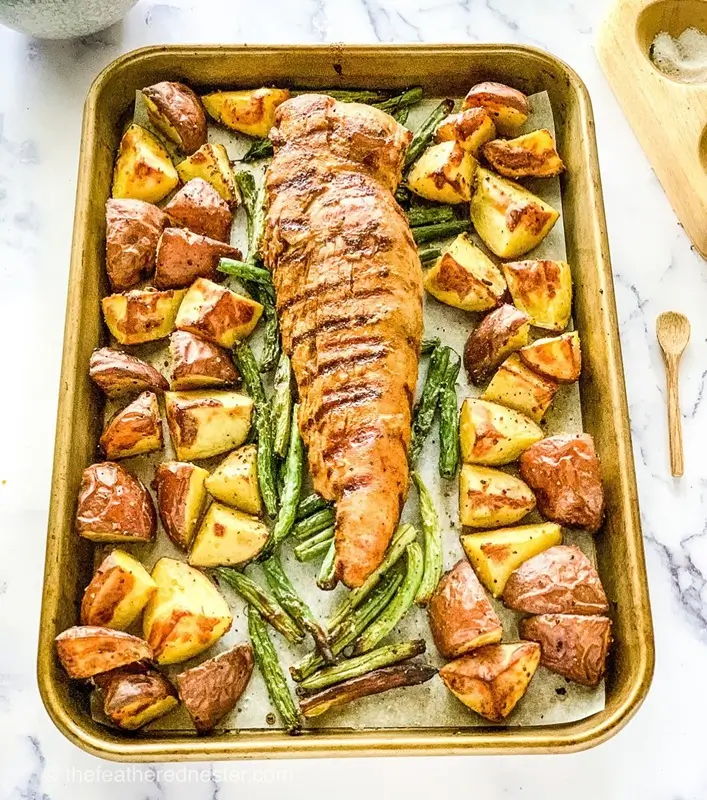
Sheet pan dinners aren’t just for convenience — they adapt well to specific nutritional goals too.
If you’re building meals around protein content, sheet pan cooking is ideal because you can control portions precisely and choose lean proteins without sacrificing flavor. For more structured ideas around this, these high-protein dinner recipes are well worth a look — many of them translate directly into sheet pan format.
If you’re cooking for kids or people who are particular about what’s on their plate, sheet pan cooking actually makes customization easy: arrange different items in separate zones on the pan, season differently if needed, and everyone gets what they want without extra dishes. This approach works especially well for dinner recipes designed for picky eaters.
Making Sheet Pan Dinners Part of Your Weekly Routine
The real power of this method isn’t any single meal — it’s the system. Once you understand the framework, you can walk up to your fridge, pull out a protein and whatever vegetables look best, and have dinner on the table in 40 minutes with almost no prep and one pan to wash.
Some people batch-prep on Sunday — marinating chicken thighs and cutting vegetables so weeknight dinners are purely an assembly and roasting job. Even 10 minutes of Sunday prep can make a weeknight feel completely manageable. If you’re interested in building a full weekly system around this, this step-by-step guide to meal prepping dinner for the week covers the full workflow in detail.
Conclusion
Sheet pan cooking is one of those techniques that sounds almost too simple to be worth learning — and then you try it properly and wonder why you didn’t start sooner. The core principle is straightforward: match cook times, give food space, use high heat, and season well. Everything else is experimentation.
Start with the most forgiving combination (chicken thighs + broccoli + potatoes), follow the timing table, and resist the urge to overcrowd the pan. After two or three attempts, you’ll have internalized the method completely and you’ll find yourself adapting it every week based on what you have.
One pan. One oven. One real dinner. Worth it every time.
FAQ
Q1: How do you cook a complete dinner on one sheet pan without everything getting soggy? The key is avoiding overcrowding. When food is packed too tightly, moisture can’t evaporate and the vegetables steam instead of roast. Use a large half-sheet pan, cut dense vegetables smaller, and give each piece at least a little space. If needed, use two pans rather than cramming everything into one.
Q2: What temperature is best for cooking a sheet pan dinner? Most sheet pan dinners work best between 400°F and 425°F (205°C–220°C). Higher heat promotes browning and caramelization. Some proteins like salmon do better at a slightly lower temperature (400°F) to prevent drying out, while chicken thighs and root vegetables benefit from the full 425°F.
Q3: How do I cook an entire dinner on one sheet pan when ingredients have different cook times? Stage your additions. Put long-cooking ingredients (potatoes, carrots, chicken) in first. Add medium-cooking vegetables (bell peppers, zucchini) halfway through. Add quick-cooking items (shrimp, asparagus, cherry tomatoes) in the last 8–12 minutes. A simple timer and the cook time table in this guide makes it easy to manage.
Q4: Can I meal prep sheet pan dinners in advance? Absolutely. You can marinate proteins and cut vegetables up to two days ahead and store them separately in the fridge. You can also fully cook sheet pan dinners and refrigerate them for up to four days — they reheat well in the oven at 375°F for about 10 minutes, which restores some of the original crispiness.
Q5: How many people does a typical sheet pan dinner serve? A standard half-sheet pan (18×13 inches) serves 3–4 people comfortably with one protein and two vegetable sides. For 5–6 people, use two pans. Scaling up is straightforward — just maintain the spacing principles and you’ll get consistent results.